
Health
Neck Size Linked to Increased Risks of Heart Disease and Diabetes

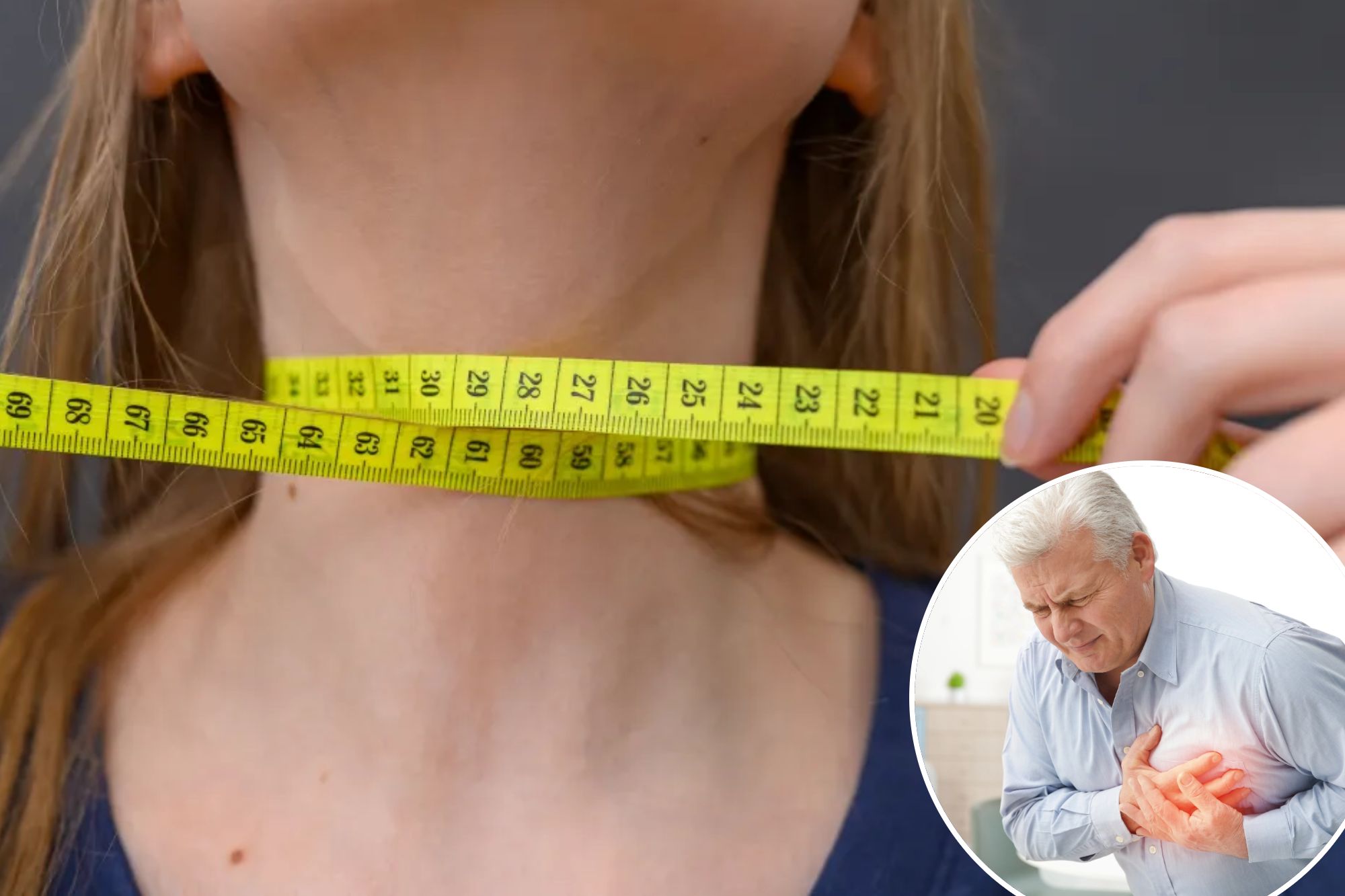
Recent research indicates that neck circumference may serve as a significant indicator of health risks, particularly for conditions such as heart disease and diabetes. A growing body of evidence suggests that a thicker neck can signal a higher probability of developing serious health issues, even in individuals with a healthy body mass index (BMI).
BMI has its limitations, as it does not differentiate between muscle and fat or the location of fat storage. According to Dr. Ahmed Elbediwy and Dr. Nadine Wehida from Kingston University, neck circumference can provide additional insights into health risks. They noted that this measurement is a better gauge of excess visceral fat in the upper body, which is more metabolically active and can lead to chronic inflammation and increased insulin resistance.
The implications of a larger neck circumference extend beyond mere aesthetics. Studies have linked an increased neck size to a higher risk of developing metabolic disorders, including type 2 and gestational diabetes. Furthermore, there is a clear association with obstructive sleep apnea, a serious condition characterized by repeated airway collapses during sleep, leading to frequent breathing interruptions. Medical professionals often assess neck circumference when diagnosing sleep apnea due to this strong correlation.
Research also highlights a connection between neck size and erectile dysfunction, particularly among men with larger necks. Perhaps most concerning is the relationship between neck circumference and cardiovascular health. Multiple studies have indicated a strong link between larger neck sizes and key heart disease risk factors, such as high blood pressure and low levels of HDL, or “good” cholesterol.
In March 2022, researchers found that individuals with thicker necks had a higher likelihood of developing atrial fibrillation (AF), a condition that disrupts normal heart rhythm. This can lead to severe complications, including stroke and heart failure. Notably, these findings remained consistent regardless of BMI, waist circumference, height, and weight, suggesting that neck size may be an important risk factor, especially for those classified as obese.
As the United States faces an obesity epidemic, with approximately 40% of adults and 20% of children classified as obese according to the CDC, the significance of these findings increases. The researchers advocate for further studies to explore the potential role of neck circumference in both prevention and treatment strategies for cardiovascular issues.
While the research is revealing, experts caution that neck circumference should not replace regular health check-ups. Instead, it can serve as a supplementary measure for assessing health risks. This approach could be particularly beneficial for pregnant women or individuals struggling to obtain accurate waist measurements.
Measuring neck circumference is straightforward; individuals can use a tape measure to wrap around the narrowest part of their neck, ensuring it is snug but not tight. While there is no official consensus on what constitutes a large neck size, it is generally considered over 17 inches for men and 15.5 inches for women.
Dr. Sarah Preis, an associate professor at Boston University’s School of Public Health, emphasizes that while neck circumference is not currently a routine clinical measure, individuals concerned about their neck thickness should consult their primary care physician.
Improving neck circumference is achievable through lifestyle changes. Dr. Elbediwy and Dr. Wehida recommend cardiovascular exercise and weight training to reduce upper-body fat, alongside maintaining a balanced diet and ensuring quality sleep to support overall health.
As research continues to uncover the link between neck size and health risks, it presents a valuable opportunity for individuals to better understand their health profiles and take proactive steps towards improving their well-being.

Revolutionary Photonic Ski-Jump Could Miniaturize LiDAR Systems

Couples Detox from Plastics in New Netflix Doc: Can It Boost Fertility?

Aventon Launches Affordable Full-Suspension Electric Mountain Bike

Discover Eight Must-Try Restaurants This Spring Season

UC Irvine Team Unveils Innovative Ion Pump for Water Treatment

One-Third of Americans Trim Daily Expenses for Healthcare Needs

Apple Secures First Oscar in Three Years with F1: The Movie

Fourth Graders Celebrate St. Patrick’s Day with Creative Weather Drawings

Kim Kardashian Dazzles at Vanity Fair Oscars Party 2026

Nostradamus’ 2026 Predictions: Star Death and Dark Events Loom

Breakthroughs and Challenges Await Science in 2026

Electric Moto Influencer Surronster Arrested in Tijuana

OpenAI to Implement Age Verification for ChatGPT by December 2025

Discover the Top 10 Calorie Counting Apps of 2025

Bella Hadid Shares Health Update After Treatment for Lyme Disease

Analysts Project Stronger Growth for Apple’s iPhone 17 Lineup

Japanese Study Finds Rose Oil Can Increase Brain Gray Matter

Top 10 Penny Stocks to Watch in 2026 for Strong Returns
-
 Science6 months ago
Nostradamus’ 2026 Predictions: Star Death and Dark Events Loom
-
 Science6 months ago
Breakthroughs and Challenges Await Science in 2026
-
 Technology9 months ago
Electric Moto Influencer Surronster Arrested in Tijuana
-
 Technology7 months ago
OpenAI to Implement Age Verification for ChatGPT by December 2025
-
 Technology11 months ago
Discover the Top 10 Calorie Counting Apps of 2025
-
 Health9 months ago
Bella Hadid Shares Health Update After Treatment for Lyme Disease
-
 Health10 months ago
Analysts Project Stronger Growth for Apple’s iPhone 17 Lineup
-
 Health10 months ago
Japanese Study Finds Rose Oil Can Increase Brain Gray Matter
-
 Technology6 months ago
Top 10 Penny Stocks to Watch in 2026 for Strong Returns
-

 Science8 months ago
Starship V3 Set for 2026 Launch After Successful Final Test of Version 2
-

 Technology8 months ago
InMotion Unveils P6 Electric Unicycle with 93 MPH Top Speed
-

 Technology4 months ago
Nvidia GTC 2026: Major Announcements Expected for AI and Hardware