
Health
Lawmakers Face Pressure on Health Care Subsidies and Abortion Rights

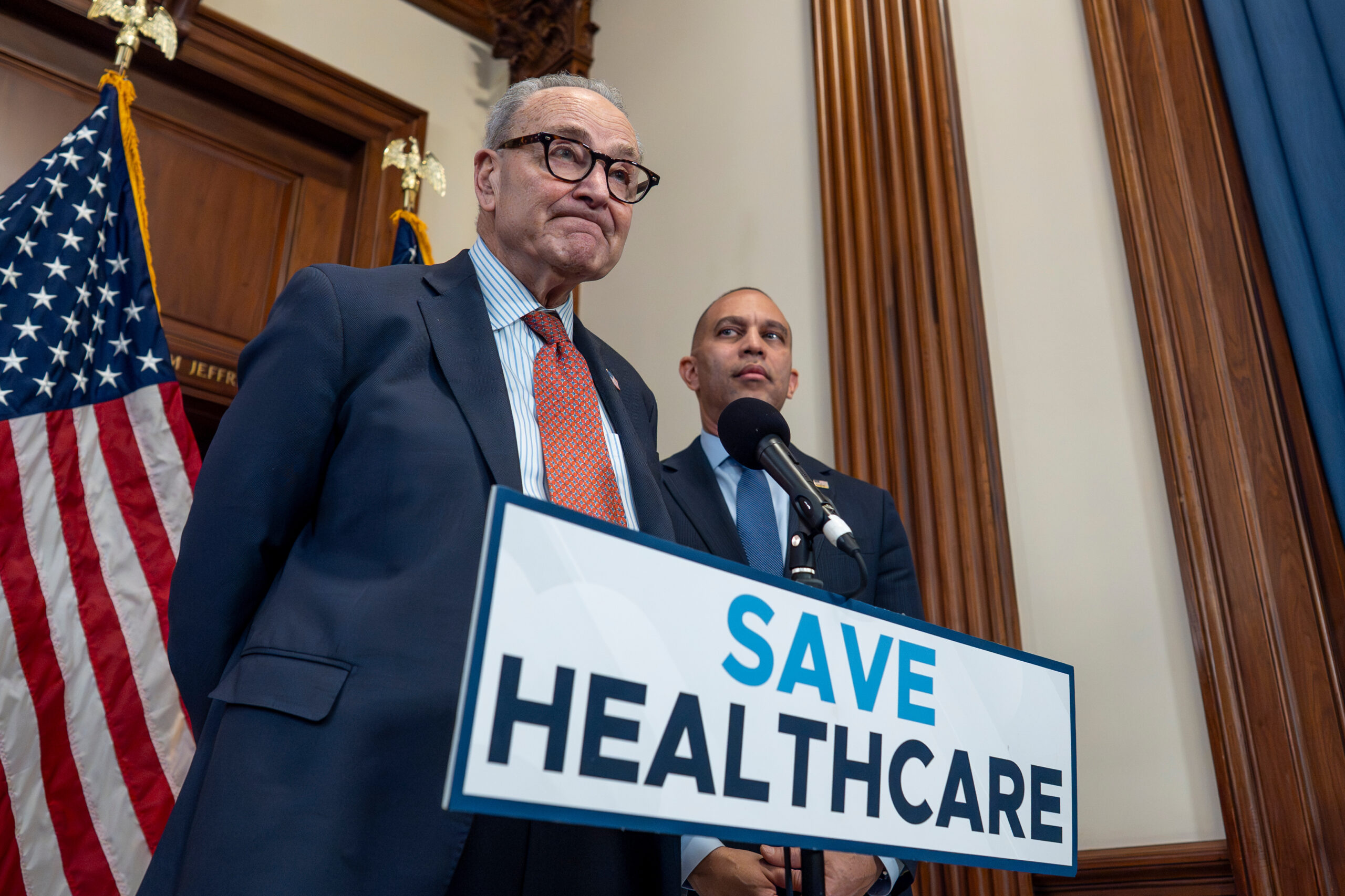
The debate over health care subsidies in the United States remains contentious as both abortion-rights and anti-abortion groups exert pressure on lawmakers. These advocacy organizations are sending a clear message: defying them could have significant repercussions in the upcoming midterm elections. As lawmakers navigate this complex landscape, the intersection of health care and reproductive rights continues to be a critical issue.
Both sides of the abortion debate are mobilizing their supporters. In a recent statement, Planned Parenthood, a leading abortion-rights organization, emphasized that access to health care, including reproductive services, is a fundamental right. They argue that legislative decisions impacting these services will be scrutinized by voters. Conversely, anti-abortion advocates, such as the National Right to Life Committee, are urging lawmakers to prioritize the protection of unborn life, warning that failure to do so could lead to significant political consequences.
The ramifications of these positions are particularly evident as the midterm elections approach. Data from recent polls indicate that a substantial portion of the electorate is concerned about reproductive rights. According to a survey conducted by Gallup, approximately 60% of Americans believe that abortion should be legal in all or most cases. This statistic underscores the potential electoral risk for lawmakers who align themselves with positions that could alienate a significant voter base.
As discussions surrounding health care subsidies and reproductive rights unfold, lawmakers are tasked with balancing competing interests. The potential for political fallout is evident, as both sides threaten to mobilize their bases against legislators who do not align with their views. With the midterms set for November 8, 2024, the stakes are high.
The evolving landscape of health care in the United States is further complicated by ongoing debates over funding and access. Lawmakers must consider the implications of their decisions on public health systems and the broader implications for women’s health care. Advocacy groups are prepared to hold lawmakers accountable, indicating that the political landscape will be closely monitored in the lead-up to the elections.
As the midterm elections draw nearer, both abortion-rights and anti-abortion groups are gearing up for a fierce battle. The outcome of these discussions may not only influence health care policy but could also shape the political landscape for years to come. With voters increasingly vocal about their preferences, legislators face a critical juncture in determining their positions on these vital issues.
In conclusion, the ongoing struggle for health care subsidies amidst the abortion debate highlights the intricate relationship between reproductive rights and political accountability. As both sides prepare for the electoral showdown, the implications for lawmakers and their constituents are profound. The decisions made in the coming months will resonate far beyond the midterm elections, potentially redefining the future of health care and reproductive rights in the United States.











Revolutionary Photonic Ski-Jump Could Miniaturize LiDAR Systems

Couples Detox from Plastics in New Netflix Doc: Can It Boost Fertility?

Aventon Launches Affordable Full-Suspension Electric Mountain Bike

Discover Eight Must-Try Restaurants This Spring Season

UC Irvine Team Unveils Innovative Ion Pump for Water Treatment

One-Third of Americans Trim Daily Expenses for Healthcare Needs

Apple Secures First Oscar in Three Years with F1: The Movie

Fourth Graders Celebrate St. Patrick’s Day with Creative Weather Drawings

Kim Kardashian Dazzles at Vanity Fair Oscars Party 2026

Nostradamus’ 2026 Predictions: Star Death and Dark Events Loom

Breakthroughs and Challenges Await Science in 2026

Electric Moto Influencer Surronster Arrested in Tijuana

OpenAI to Implement Age Verification for ChatGPT by December 2025

Discover the Top 10 Calorie Counting Apps of 2025

Bella Hadid Shares Health Update After Treatment for Lyme Disease

Analysts Project Stronger Growth for Apple’s iPhone 17 Lineup

Japanese Study Finds Rose Oil Can Increase Brain Gray Matter

Top 10 Penny Stocks to Watch in 2026 for Strong Returns
-
 Science3 months ago
Nostradamus’ 2026 Predictions: Star Death and Dark Events Loom
-
 Science4 months ago
Breakthroughs and Challenges Await Science in 2026
-
 Technology7 months ago
Electric Moto Influencer Surronster Arrested in Tijuana
-
 Technology4 months ago
OpenAI to Implement Age Verification for ChatGPT by December 2025
-
 Technology9 months ago
Discover the Top 10 Calorie Counting Apps of 2025
-
 Health7 months ago
Bella Hadid Shares Health Update After Treatment for Lyme Disease
-
 Health7 months ago
Analysts Project Stronger Growth for Apple’s iPhone 17 Lineup
-
 Health7 months ago
Japanese Study Finds Rose Oil Can Increase Brain Gray Matter
-
 Technology4 months ago
Top 10 Penny Stocks to Watch in 2026 for Strong Returns
-

 Science6 months ago
Starship V3 Set for 2026 Launch After Successful Final Test of Version 2
-

 Technology1 month ago
Nvidia GTC 2026: Major Announcements Expected for AI and Hardware
-

 Education7 months ago
Harvard Secures Court Victory Over Federal Funding Cuts