
Health
H-1B Visa Restrictions Prompt India to Expand Offshoring Opportunities

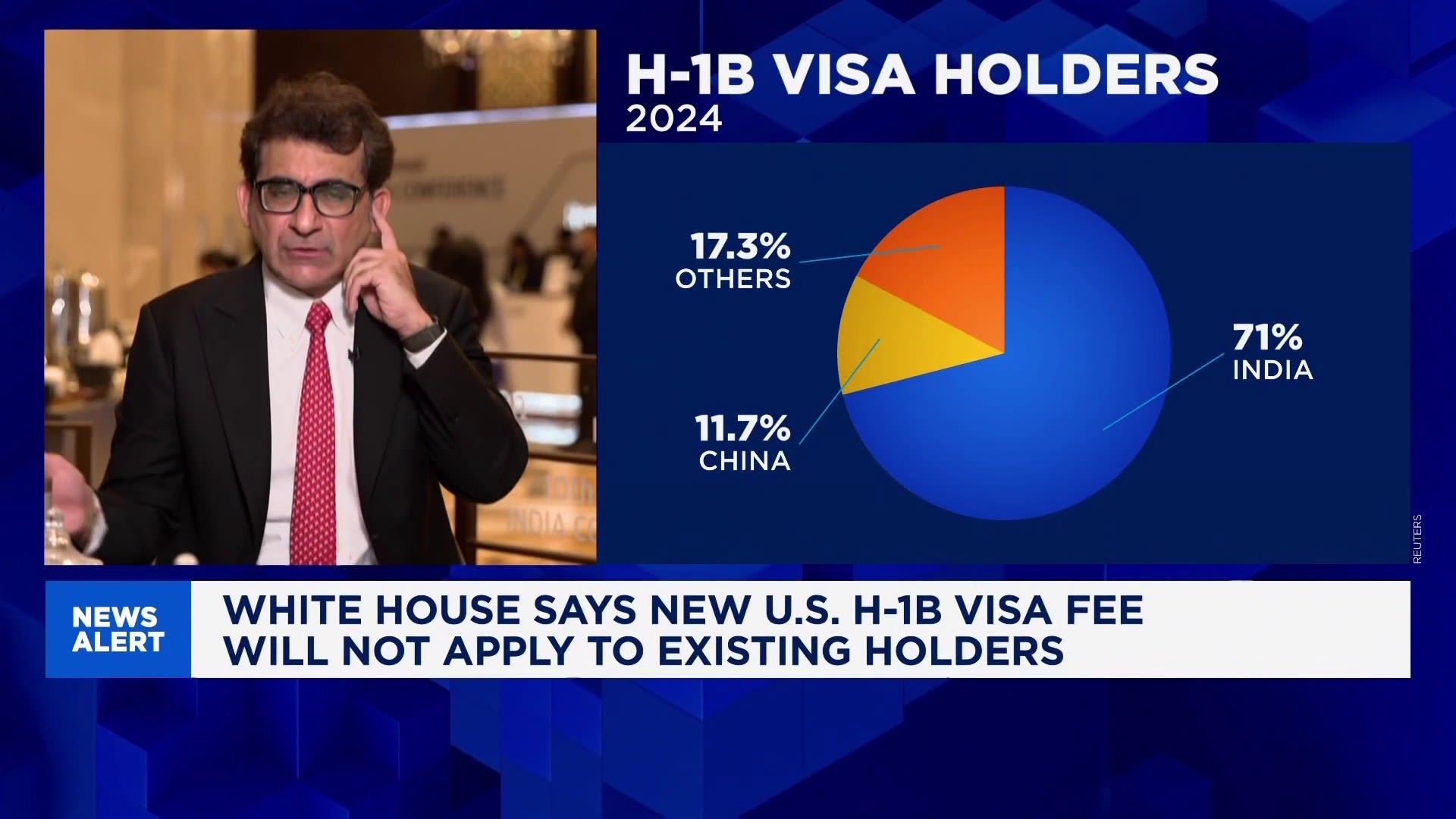
Recent restrictions on the H-1B visa program in the United States may present new opportunities for India’s offshoring sector. According to a report by JPMorgan Chase, the tightening of these visa regulations is expected to lead companies to seek alternative solutions, potentially increasing the demand for Indian IT services.
The H-1B visa, which allows U.S. companies to employ foreign workers in specialty occupations, has faced scrutiny and limitations over the past few years, particularly in 2023. These restrictions can hinder the ability of American firms to hire skilled professionals from abroad, prompting them to reconsider their operational strategies. As a result, many organizations might turn to Indian firms that can provide the necessary talent and resources without the complexities associated with visa applications.
Shifting Dynamics in the IT Sector
The Indian IT sector, which has long been a leader in offshoring, is well-positioned to capitalize on this shift. With a robust pool of highly skilled professionals, companies like Tata Consultancy Services and Infosys are likely to see increased demand for their services. The report notes that as U.S. companies look for ways to maintain productivity while navigating visa restrictions, Indian firms can offer cost-effective solutions, thereby enhancing their global competitiveness.
In addition to the immediate benefits for Indian companies, this shift could also have broader implications for the global tech landscape. As businesses diversify their operational bases, they may invest more in technology and infrastructure within India. This could lead to job creation and economic growth in the region, further solidifying India’s status as a global IT hub.
Potential Challenges and Considerations
Despite the promising outlook, challenges remain. The Indian IT sector must navigate a complex global environment characterized by fluctuating demand and competition from other countries offering similar services. Furthermore, companies must ensure that they maintain quality and efficiency while scaling operations to meet increasing demands.
Moreover, the evolving nature of work, including the rise of remote work and digital collaboration tools, may change how companies engage with offshoring. While the reduction of H-1B visas may drive demand for Indian services, companies will need to adapt to new ways of working with international teams.
In conclusion, as U.S. visa restrictions reshape the landscape for hiring skilled foreign workers, India stands to benefit significantly from an increase in offshoring opportunities. The intersection of regulatory changes and a strong talent pool positions the Indian IT sector to thrive in the coming years.












Revolutionary Photonic Ski-Jump Could Miniaturize LiDAR Systems

Couples Detox from Plastics in New Netflix Doc: Can It Boost Fertility?

Aventon Launches Affordable Full-Suspension Electric Mountain Bike

Discover Eight Must-Try Restaurants This Spring Season

UC Irvine Team Unveils Innovative Ion Pump for Water Treatment

One-Third of Americans Trim Daily Expenses for Healthcare Needs

Apple Secures First Oscar in Three Years with F1: The Movie

Fourth Graders Celebrate St. Patrick’s Day with Creative Weather Drawings

Kim Kardashian Dazzles at Vanity Fair Oscars Party 2026

Nostradamus’ 2026 Predictions: Star Death and Dark Events Loom

Breakthroughs and Challenges Await Science in 2026

Electric Moto Influencer Surronster Arrested in Tijuana

OpenAI to Implement Age Verification for ChatGPT by December 2025

Discover the Top 10 Calorie Counting Apps of 2025

Recovering a Suspended TikTok Account: A Step-by-Step Guide

Bella Hadid Shares Health Update After Treatment for Lyme Disease

Backpack Drives Equip Students with Supplies for New School Year

Analysts Project Stronger Growth for Apple’s iPhone 17 Lineup
-
 Science8 months ago
Nostradamus’ 2026 Predictions: Star Death and Dark Events Loom
-
 Science8 months ago
Breakthroughs and Challenges Await Science in 2026
-
 Technology11 months ago
Electric Moto Influencer Surronster Arrested in Tijuana
-
 Technology9 months ago
OpenAI to Implement Age Verification for ChatGPT by December 2025
-
 Technology1 year ago
Discover the Top 10 Calorie Counting Apps of 2025
-
 Technology1 year ago
Recovering a Suspended TikTok Account: A Step-by-Step Guide
-
 Health11 months ago
Bella Hadid Shares Health Update After Treatment for Lyme Disease
-
 Education1 year ago
Backpack Drives Equip Students with Supplies for New School Year
-
 Health12 months ago
Analysts Project Stronger Growth for Apple’s iPhone 17 Lineup
-

 Health12 months ago
Japanese Study Finds Rose Oil Can Increase Brain Gray Matter
-

 Technology8 months ago
Top 10 Penny Stocks to Watch in 2026 for Strong Returns
-

 Science10 months ago
Starship V3 Set for 2026 Launch After Successful Final Test of Version 2