
Health
Full-Fat Cheese Linked to Reduced Dementia Risk, Study Finds

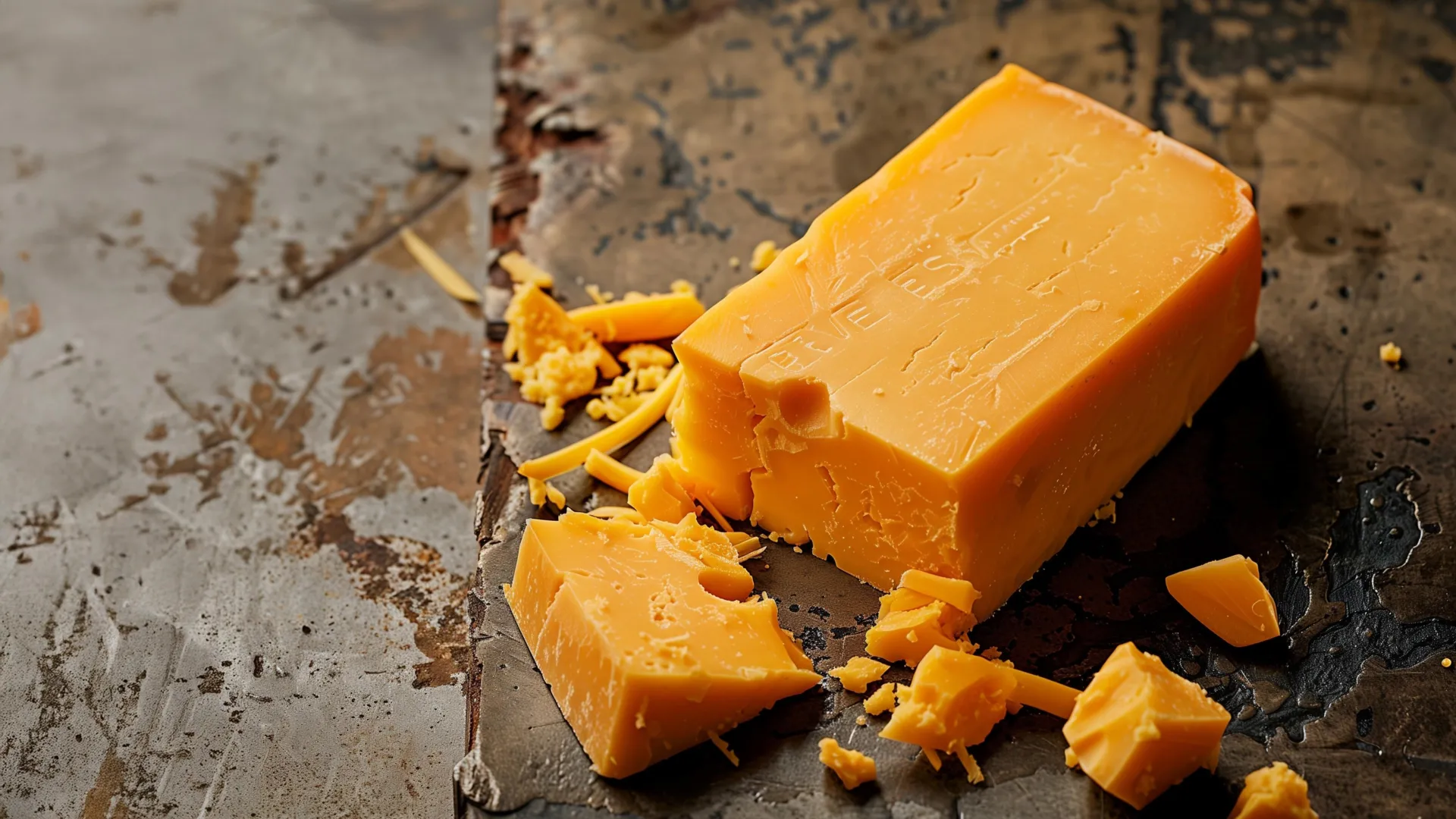
Research published on December 17, 2025, in the journal Neurology, indicates a potential link between the consumption of full-fat cheese and cream and a lower risk of developing dementia. The study, which tracked dietary habits of over 27,670 adults in Sweden for more than 25 years, found that those who consumed higher amounts of these high-fat dairy products were diagnosed with dementia less frequently than their counterparts who consumed little or none.
The findings suggest a connection between full-fat dairy intake and cognitive health, but researchers emphasize that this association does not imply causation. While the results are notable, they challenge long-standing dietary recommendations that often classify high-fat foods as detrimental to health.
Study Insights and Methodology
The research involved participants who were, on average, 58 years old at the start of the study. Throughout the 25-year follow-up period, 3,208 participants were diagnosed with dementia. Researchers meticulously recorded dietary habits, asking participants to detail their food intake over a week and answer questions regarding their consumption frequency of specific products.
The analysis focused on high-fat cheese, defined as cheese containing more than 20% fat. Common varieties include cheddar, Brie, and Gouda. A daily intake of 50 grams, roughly equivalent to two slices of cheddar or half a cup of shredded cheese, was compared to the intake of less than 15 grams per day. By the end of the study, 10% of those consuming higher amounts of high-fat cheese developed dementia, compared to 13% among lower consumption. Adjusting for age, sex, education, and overall diet quality, researchers concluded that higher cheese consumption was associated with a 13% reduced risk of dementia.
Particularly significant was the finding regarding vascular dementia, where individuals consuming more high-fat cheese showed a 29% lower risk. A lower risk of Alzheimer’s disease was also observed, but this pattern was limited to participants without the APOE e4 gene variant, a known genetic risk factor for this form of dementia.
High-Fat Cream and Other Dairy Products
The study also examined high-fat cream consumption. Participants consuming at least 20 grams of high-fat cream daily—approximately 1.4 tablespoons of heavy whipping cream—demonstrated a 16% lower risk of dementia compared to those who did not consume any.
Contrastingly, the study found no significant association between dementia risk and the intake of low-fat cheese, low-fat cream, high- or low-fat milk, butter, or fermented dairy products like yogurt and kefir. As Emily Sonestedt, PhD, from Lund University, articulated, “These findings suggest that when it comes to brain health, not all dairy is equal.” The research indicates that while high-fat cheese and cream may contribute to a reduced risk of dementia, low-fat alternatives do not offer the same protective effects.
Implications and Future Research
Despite its intriguing findings, the study has limitations. All participants were residents of Sweden, which raises questions about the applicability of the results to other populations with differing dietary habits. Sonestedt highlighted that dietary practices vary significantly across regions. For example, cheese in Sweden is often consumed uncooked, whereas in other countries, such as the United States, it is frequently cooked or consumed alongside meats.
Further research is essential to explore these connections more comprehensively. The study received support from notable organizations including the Swedish Research Council and the Swedish Heart and Lung Foundation. As the conversation around dietary fats continues to evolve, these findings may encourage a reevaluation of how certain high-fat dairy products are perceived and recommended in relation to cognitive health.







Revolutionary Photonic Ski-Jump Could Miniaturize LiDAR Systems

Couples Detox from Plastics in New Netflix Doc: Can It Boost Fertility?

Aventon Launches Affordable Full-Suspension Electric Mountain Bike

Discover Eight Must-Try Restaurants This Spring Season

UC Irvine Team Unveils Innovative Ion Pump for Water Treatment

One-Third of Americans Trim Daily Expenses for Healthcare Needs

Apple Secures First Oscar in Three Years with F1: The Movie

Fourth Graders Celebrate St. Patrick’s Day with Creative Weather Drawings

Kim Kardashian Dazzles at Vanity Fair Oscars Party 2026

Nostradamus’ 2026 Predictions: Star Death and Dark Events Loom

Breakthroughs and Challenges Await Science in 2026

Electric Moto Influencer Surronster Arrested in Tijuana

OpenAI to Implement Age Verification for ChatGPT by December 2025

Discover the Top 10 Calorie Counting Apps of 2025

Recovering a Suspended TikTok Account: A Step-by-Step Guide

Bella Hadid Shares Health Update After Treatment for Lyme Disease

Backpack Drives Equip Students with Supplies for New School Year

Analysts Project Stronger Growth for Apple’s iPhone 17 Lineup
-
 Science8 months ago
Nostradamus’ 2026 Predictions: Star Death and Dark Events Loom
-
 Science8 months ago
Breakthroughs and Challenges Await Science in 2026
-
 Technology11 months ago
Electric Moto Influencer Surronster Arrested in Tijuana
-
 Technology9 months ago
OpenAI to Implement Age Verification for ChatGPT by December 2025
-
 Technology1 year ago
Discover the Top 10 Calorie Counting Apps of 2025
-
 Technology1 year ago
Recovering a Suspended TikTok Account: A Step-by-Step Guide
-
 Health11 months ago
Bella Hadid Shares Health Update After Treatment for Lyme Disease
-
 Education1 year ago
Backpack Drives Equip Students with Supplies for New School Year
-
 Health11 months ago
Analysts Project Stronger Growth for Apple’s iPhone 17 Lineup
-

 Health12 months ago
Japanese Study Finds Rose Oil Can Increase Brain Gray Matter
-

 Technology8 months ago
Top 10 Penny Stocks to Watch in 2026 for Strong Returns
-

 Science10 months ago
Starship V3 Set for 2026 Launch After Successful Final Test of Version 2