
Health
French Study Confirms mRNA Vaccine Effectiveness Against Severe COVID

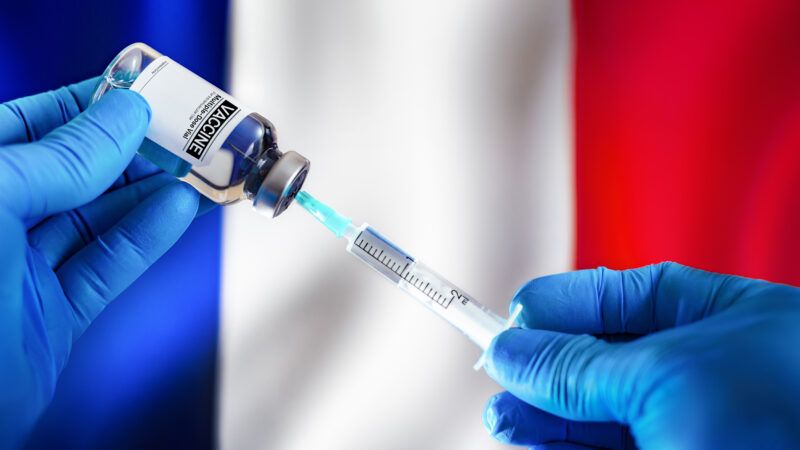
A comprehensive study conducted in France has found substantial evidence supporting the efficacy and safety of mRNA COVID-19 vaccines. Published in the Journal of the American Medical Association Network, the research tracked over 22.7 million vaccinated individuals and 5.9 million unvaccinated individuals for nearly four years. The findings reveal a significant reduction in severe COVID-19 cases among vaccinated individuals, along with a notable decline in overall mortality rates.
The study highlights that those who received mRNA vaccines have a 74 percent lower risk of death from severe COVID-19. Additionally, the research indicates a 25 percent lower risk of all-cause mortality for vaccinated individuals compared to their unvaccinated counterparts. This data counters recent claims made by anti-vaccination advocates, including prominent figures like Robert F. Kennedy Jr., who previously labeled COVID-19 vaccines as the “deadliest vaccine ever made.”
Key Findings on Cancer Incidence
Addressing concerns about a potential link between mRNA vaccines and cancer, the study reports that the incidence of tumors among vaccinated adults stands at 769 per million. In contrast, the rate for unvaccinated individuals is slightly higher at 853 per million. This suggests that vaccinated adults are approximately 15 percent less likely to be diagnosed with cancer compared to those who did not receive the vaccine.
Researchers took various factors into account to ensure robust results. They controlled for potential biases, such as the “healthy-vaccinee effect,” where healthier individuals are more inclined to get vaccinated, as well as frailty-related biases that may affect those in poorer health. Notably, the study’s participants included a higher proportion of older individuals, many of whom had pre-existing health conditions like obesity and chronic illnesses typically associated with increased mortality risks.
Implications for Public Health
The lead author of the study, Mahmoud Zureik, emphasized the importance of these findings in combating misinformation surrounding mRNA vaccines. In a statement to Le Monde, he noted, “This study helps to put an end to the misinformation spread about mRNA vaccines. Providing data on the absence of long-term risks helps strengthen confidence in these vaccines, which will be developed for other viruses and diseases.”
As the global community continues to navigate the challenges posed by COVID-19, this research reinforces the critical role of vaccination in reducing severe disease and mortality. The results are expected to bolster public confidence in mRNA vaccines, which may pave the way for broader acceptance of future vaccine developments.
Despite the compelling evidence presented in this study, it is anticipated that figures like Kennedy will continue to promote alternative narratives regarding vaccine safety. Nonetheless, the findings from this extensive French study contribute significantly to the ongoing discourse on vaccine efficacy and public health.













Revolutionary Photonic Ski-Jump Could Miniaturize LiDAR Systems

Couples Detox from Plastics in New Netflix Doc: Can It Boost Fertility?

Aventon Launches Affordable Full-Suspension Electric Mountain Bike

Discover Eight Must-Try Restaurants This Spring Season

UC Irvine Team Unveils Innovative Ion Pump for Water Treatment

One-Third of Americans Trim Daily Expenses for Healthcare Needs

Apple Secures First Oscar in Three Years with F1: The Movie

Fourth Graders Celebrate St. Patrick’s Day with Creative Weather Drawings

Kim Kardashian Dazzles at Vanity Fair Oscars Party 2026

Nostradamus’ 2026 Predictions: Star Death and Dark Events Loom

Breakthroughs and Challenges Await Science in 2026

Electric Moto Influencer Surronster Arrested in Tijuana

OpenAI to Implement Age Verification for ChatGPT by December 2025

Discover the Top 10 Calorie Counting Apps of 2025

Recovering a Suspended TikTok Account: A Step-by-Step Guide

Bella Hadid Shares Health Update After Treatment for Lyme Disease

Backpack Drives Equip Students with Supplies for New School Year

Analysts Project Stronger Growth for Apple’s iPhone 17 Lineup
-
 Science8 months ago
Nostradamus’ 2026 Predictions: Star Death and Dark Events Loom
-
 Science8 months ago
Breakthroughs and Challenges Await Science in 2026
-
 Technology11 months ago
Electric Moto Influencer Surronster Arrested in Tijuana
-
 Technology9 months ago
OpenAI to Implement Age Verification for ChatGPT by December 2025
-
 Technology1 year ago
Discover the Top 10 Calorie Counting Apps of 2025
-
 Technology1 year ago
Recovering a Suspended TikTok Account: A Step-by-Step Guide
-
 Health11 months ago
Bella Hadid Shares Health Update After Treatment for Lyme Disease
-
 Education1 year ago
Backpack Drives Equip Students with Supplies for New School Year
-
 Health12 months ago
Analysts Project Stronger Growth for Apple’s iPhone 17 Lineup
-

 Health12 months ago
Japanese Study Finds Rose Oil Can Increase Brain Gray Matter
-

 Technology8 months ago
Top 10 Penny Stocks to Watch in 2026 for Strong Returns
-

 Science10 months ago
Starship V3 Set for 2026 Launch After Successful Final Test of Version 2