
Health
Food Giants Challenge Regulation’s Impact on Grocery Prices

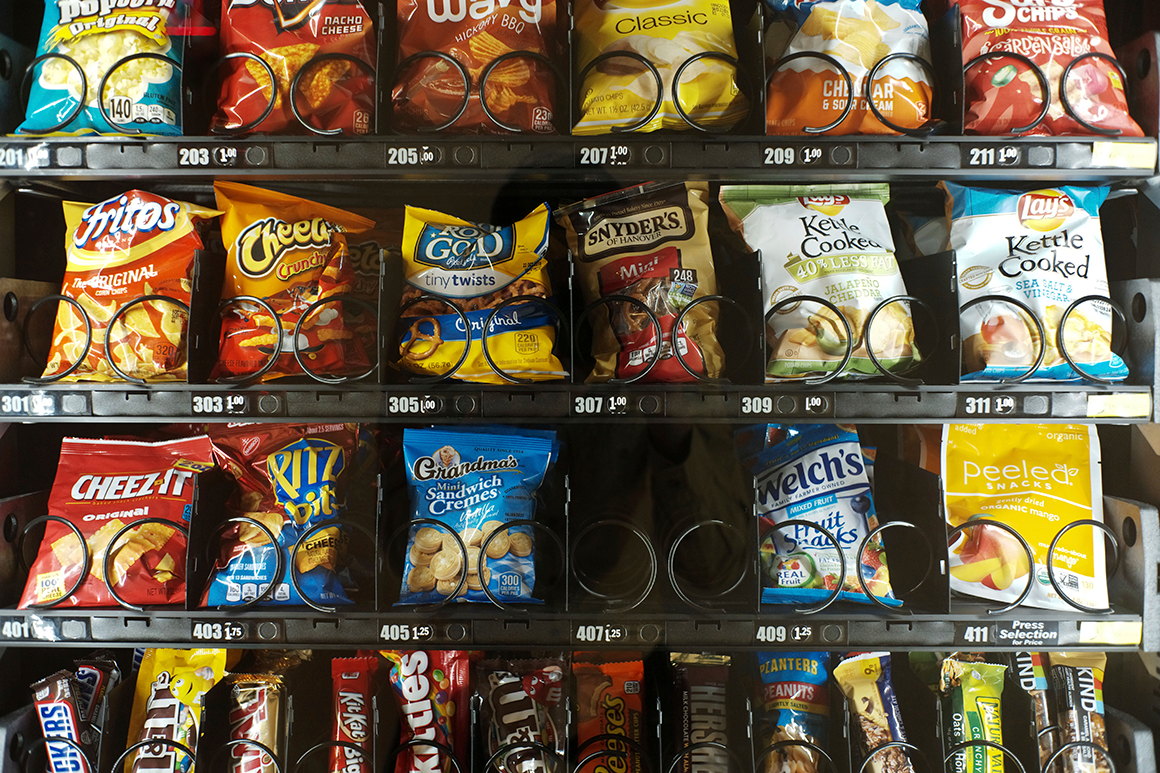
Major food manufacturers, including brands such as Doritos, Oscar Mayer, and Kraft Mac & Cheese, are raising alarms over proposed state regulations aimed at curbing ultraprocessed foods. These companies argue that the new rules, backed by Health Secretary Robert F. Kennedy Jr., could significantly increase grocery prices for consumers.
The food industry contends that the regulations would impose additional costs on producers, which would inevitably be passed down to shoppers. A spokesperson for the Federal Trade Commission noted that increasing compliance costs could lead to higher retail prices, potentially affecting budgets for families across the country.
Regulatory measures have gained traction as part of broader public health initiatives. Advocates argue that they are necessary to combat rising obesity rates and related health issues. However, food manufacturers claim that these changes could have unintended consequences, particularly for lower-income consumers who may already struggle with food expenses.
In a statement, a representative from a major food conglomerate emphasized, “Our goal is to provide affordable and accessible food options. These new regulations threaten to disrupt that balance.” The company highlighted that the potential increase in food prices could lead some families to opt for less healthy, cheaper alternatives.
The debate is unfolding against the backdrop of ongoing discussions about food security in the United States. As inflation continues to affect various sectors, the implications of these regulations are drawing attention from both consumers and policymakers. Proponents of the regulations assert that the long-term health benefits outweigh short-term costs, while opponents warn of immediate financial impacts.
As this conversation evolves, the food industry is preparing to take its concerns to state legislatures. Food manufacturers are advocating for a balanced approach that prioritizes both public health and economic stability. The outcome of this regulatory push could reshape the landscape of the food market and influence consumer choices in the coming months.
In summary, the conflict between ultraprocessed food makers and health regulators highlights the complex interplay between public health initiatives and economic realities. As discussions continue, consumers are likely to feel the effects of these decisions at the checkout line.












Revolutionary Photonic Ski-Jump Could Miniaturize LiDAR Systems

Couples Detox from Plastics in New Netflix Doc: Can It Boost Fertility?

Aventon Launches Affordable Full-Suspension Electric Mountain Bike

Discover Eight Must-Try Restaurants This Spring Season

UC Irvine Team Unveils Innovative Ion Pump for Water Treatment

One-Third of Americans Trim Daily Expenses for Healthcare Needs

Apple Secures First Oscar in Three Years with F1: The Movie

Fourth Graders Celebrate St. Patrick’s Day with Creative Weather Drawings

Kim Kardashian Dazzles at Vanity Fair Oscars Party 2026

Nostradamus’ 2026 Predictions: Star Death and Dark Events Loom

Breakthroughs and Challenges Await Science in 2026

Electric Moto Influencer Surronster Arrested in Tijuana

OpenAI to Implement Age Verification for ChatGPT by December 2025

Discover the Top 10 Calorie Counting Apps of 2025

Bella Hadid Shares Health Update After Treatment for Lyme Disease

Analysts Project Stronger Growth for Apple’s iPhone 17 Lineup

Japanese Study Finds Rose Oil Can Increase Brain Gray Matter

Top 10 Penny Stocks to Watch in 2026 for Strong Returns
-
 Science3 months ago
Nostradamus’ 2026 Predictions: Star Death and Dark Events Loom
-
 Science4 months ago
Breakthroughs and Challenges Await Science in 2026
-
 Technology7 months ago
Electric Moto Influencer Surronster Arrested in Tijuana
-
 Technology4 months ago
OpenAI to Implement Age Verification for ChatGPT by December 2025
-
 Technology9 months ago
Discover the Top 10 Calorie Counting Apps of 2025
-
 Health7 months ago
Bella Hadid Shares Health Update After Treatment for Lyme Disease
-
 Health7 months ago
Analysts Project Stronger Growth for Apple’s iPhone 17 Lineup
-
 Health7 months ago
Japanese Study Finds Rose Oil Can Increase Brain Gray Matter
-
 Technology4 months ago
Top 10 Penny Stocks to Watch in 2026 for Strong Returns
-

 Science6 months ago
Starship V3 Set for 2026 Launch After Successful Final Test of Version 2
-

 Technology1 month ago
Nvidia GTC 2026: Major Announcements Expected for AI and Hardware
-

 Education7 months ago
Harvard Secures Court Victory Over Federal Funding Cuts