
Health
Experts Highlight Heart-Healthy Cheeses for Holiday Enjoyment

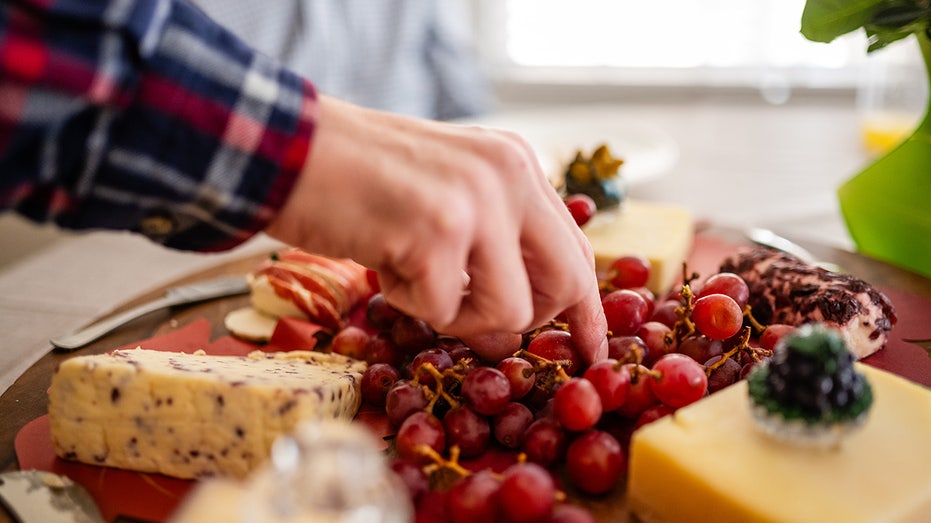
As the holiday season approaches, many are turning to festive cheese boards, often concerned about their heart health. Recent insights from experts reveal that cheese can be enjoyed without significant worry, provided individuals make informed choices.
The dynamic duo of Jason and Kate McClearen, content creators known as “The Everyday Chef and Wife,” recently showcased a humorous cheese-making process in their kitchen. Despite the longstanding belief that cheese contributes to increased cholesterol levels, cardiologists and dietitians argue that the relationship is more complex than it appears.
According to Dr. Sam Setareh, director of cardiology at Beverly Hills Cardiovascular and an attending cardiologist at Cedars-Sinai Medical Center, the perception of cheese as detrimental to heart health is shifting. “Traditionally, hard and aged cheeses such as cheddar, Parmesan, and Gruyère have been labeled the ‘worst’ because they are higher in saturated fat and sodium,” he explained. However, large studies suggest that cheese may not significantly raise the risk of heart disease.
Research indicates that cheese affects cholesterol differently compared to other sources of saturated fats. While saturated fat is known to raise LDL cholesterol, the unique composition of cheese may mitigate this effect. The American Heart Association recommends limiting saturated fat to less than 6% of daily caloric intake, but cheese’s distinct “food matrix” may alter how the body absorbs these fats.
Understanding Cheese and Heart Health
Fermented varieties like cheddar, Swiss, Gouda, and Parmesan contain beneficial compounds such as probiotics and vitamin K2. These elements could explain why cheese consumption is associated with better heart health outcomes compared to butter or processed fats.
Dietitians caution, however, that not all cheeses are equal. High-fat, soft cheeses like brie and American cheese can lead to overconsumption, especially during the holidays. Kari Hamrick, a women’s health dietitian based in Washington, advises moderation. “Practice portion control by using cheese as an accent, not the main event,” she stated.
Cheeses such as two-percent cottage cheese, part-skim mozzarella, and reduced-fat feta are healthier options due to their lower saturated fat content while still providing protein and calcium. Despite being high in sodium, cheese may not always raise blood pressure as expected. Choosing lower-sodium varieties like Swiss or fresh mozzarella can be beneficial.
Making Cheese a Part of a Balanced Diet
Evidence shows minimal differences in heart health outcomes between full-fat and low-fat cheeses. In fact, low-fat options may sometimes be more processed and less satisfying. “Full-fat versions taste better and may offer more satiety and better nutrient bioavailability,” Hamrick noted.
Portion control is crucial. Experts recommend a serving size of about 1 to 1.5 ounces, equivalent to a small slice or a pair of dice. Incorporating cheese as an accent—such as grating Parmesan over salads or melting it into vegetable dishes—can help maintain portion sizes.
For those aiming for heart health, focusing on higher-quality, fermented cheeses while being mindful of sodium levels is essential. Dr. Setareh emphasizes that cheese can fit into a heart-healthy diet, especially when consumed as part of a balanced, minimally processed eating pattern.
As the holiday season unfolds, these expert recommendations allow cheese lovers to indulge in their favorite dairy delights while prioritizing their heart health.



Revolutionary Photonic Ski-Jump Could Miniaturize LiDAR Systems

Couples Detox from Plastics in New Netflix Doc: Can It Boost Fertility?

Aventon Launches Affordable Full-Suspension Electric Mountain Bike

Discover Eight Must-Try Restaurants This Spring Season

UC Irvine Team Unveils Innovative Ion Pump for Water Treatment

One-Third of Americans Trim Daily Expenses for Healthcare Needs

Apple Secures First Oscar in Three Years with F1: The Movie

Fourth Graders Celebrate St. Patrick’s Day with Creative Weather Drawings

Kim Kardashian Dazzles at Vanity Fair Oscars Party 2026

Nostradamus’ 2026 Predictions: Star Death and Dark Events Loom

Breakthroughs and Challenges Await Science in 2026

Electric Moto Influencer Surronster Arrested in Tijuana

OpenAI to Implement Age Verification for ChatGPT by December 2025

Discover the Top 10 Calorie Counting Apps of 2025

Bella Hadid Shares Health Update After Treatment for Lyme Disease

Analysts Project Stronger Growth for Apple’s iPhone 17 Lineup

Japanese Study Finds Rose Oil Can Increase Brain Gray Matter

Top 10 Penny Stocks to Watch in 2026 for Strong Returns
-
 Science4 months ago
Nostradamus’ 2026 Predictions: Star Death and Dark Events Loom
-
 Science4 months ago
Breakthroughs and Challenges Await Science in 2026
-
 Technology7 months ago
Electric Moto Influencer Surronster Arrested in Tijuana
-
 Technology4 months ago
OpenAI to Implement Age Verification for ChatGPT by December 2025
-
 Technology9 months ago
Discover the Top 10 Calorie Counting Apps of 2025
-
 Health7 months ago
Bella Hadid Shares Health Update After Treatment for Lyme Disease
-
 Health7 months ago
Analysts Project Stronger Growth for Apple’s iPhone 17 Lineup
-
 Health7 months ago
Japanese Study Finds Rose Oil Can Increase Brain Gray Matter
-
 Technology4 months ago
Top 10 Penny Stocks to Watch in 2026 for Strong Returns
-

 Science6 months ago
Starship V3 Set for 2026 Launch After Successful Final Test of Version 2
-

 Technology1 month ago
Nvidia GTC 2026: Major Announcements Expected for AI and Hardware
-

 Education7 months ago
Harvard Secures Court Victory Over Federal Funding Cuts