
Health
Enhance Independence After 60: 6 Essential Exercises

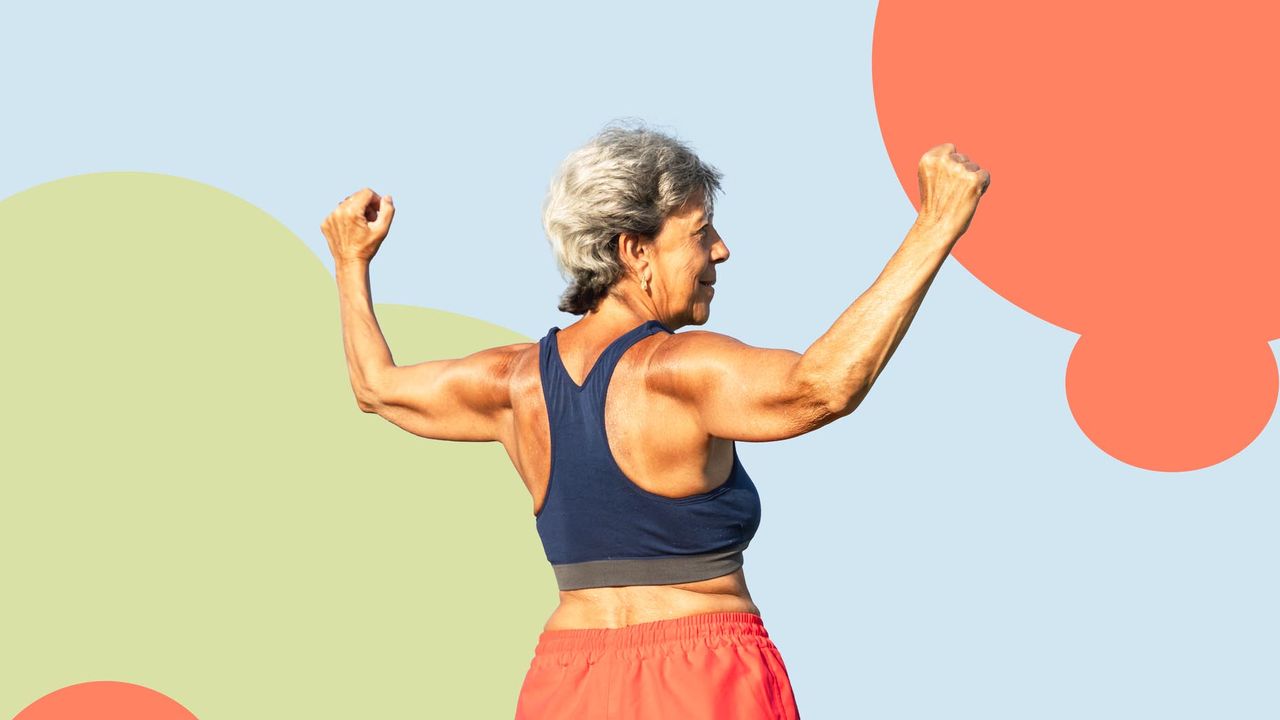
Maintaining independence after the age of 60 is crucial for quality of life. According to Charlie Page, the Lead Physical Therapist at South Coast Home Physiotherapy, independence is not about pushing through intense workouts but rather about performing everyday movements confidently. Simple actions like rising from a chair, turning while driving, or regaining balance after a stumble are essential indicators of self-sufficiency as one ages.
Page emphasizes that strength, balance, mobility, and flexibility are all trainable attributes that can significantly enhance daily life. The right exercises can reduce the risk of falls, support joint health, and make routine tasks easier. With this in mind, he recommends six practical exercises tailored for older adults, focusing on key areas that affect independence.
Six Exercises for Independence
1. **Sit-to-stand from a dining chair**
Page identifies this movement as the most functional exercise. “It directly translates to real-world independence,” he notes, highlighting its importance for activities such as getting off the sofa or rising from toilet seats. Practicing this exercise strengthens the quads and glutes, vital muscles for maintaining confidence in daily activities.
2. **Wall press-up**
Many overlook upper-body strength, yet it is crucial for tasks like opening heavy doors or getting up after a fall. The wall press-up provides a safe method to build this strength without the need to get on the floor.
3. **Standing hip abduction**
This exercise focuses on the hip abductors, which stabilize the pelvis during walking. Page explains that weak hip muscles can disrupt walking patterns, increasing the risk of falls.
4. **Seated trunk rotation**
As individuals age, rotational mobility often decreases, impacting simple tasks like dressing or looking over one’s shoulder. This exercise promotes mid-back mobility in a supportive position.
5. **Tandem stance (heel-to-toe stand)**
Balance is a critical factor in maintaining independence. Better balance reduces the likelihood of falls, which are a leading cause of hospitalization among older adults. This exercise challenges stability in realistic scenarios, such as navigating uneven surfaces.
6. **Single-leg stand**
Recognized as a benchmark for balance training, the single-leg stand is a powerful exercise. Page states that being able to maintain this position for ten seconds correlates strongly with long-term health.
These exercises may appear deceptively simple, but they effectively target essential movements such as standing, walking, reaching, turning, and balancing. Over time, consistent practice can lead to improved confidence and independence.
Rather than viewing these as a mere workout, it is advisable to incorporate them into daily routines. Even a few minutes each day can yield significant benefits, enhancing overall well-being and independence for those over 60.



Revolutionary Photonic Ski-Jump Could Miniaturize LiDAR Systems

Couples Detox from Plastics in New Netflix Doc: Can It Boost Fertility?

Aventon Launches Affordable Full-Suspension Electric Mountain Bike

Discover Eight Must-Try Restaurants This Spring Season

UC Irvine Team Unveils Innovative Ion Pump for Water Treatment

One-Third of Americans Trim Daily Expenses for Healthcare Needs

Apple Secures First Oscar in Three Years with F1: The Movie

Fourth Graders Celebrate St. Patrick’s Day with Creative Weather Drawings

Kim Kardashian Dazzles at Vanity Fair Oscars Party 2026

Nostradamus’ 2026 Predictions: Star Death and Dark Events Loom

Breakthroughs and Challenges Await Science in 2026

Electric Moto Influencer Surronster Arrested in Tijuana

OpenAI to Implement Age Verification for ChatGPT by December 2025

Discover the Top 10 Calorie Counting Apps of 2025

Recovering a Suspended TikTok Account: A Step-by-Step Guide

Bella Hadid Shares Health Update After Treatment for Lyme Disease

Backpack Drives Equip Students with Supplies for New School Year

Analysts Project Stronger Growth for Apple’s iPhone 17 Lineup
-
 Science8 months ago
Nostradamus’ 2026 Predictions: Star Death and Dark Events Loom
-
 Science8 months ago
Breakthroughs and Challenges Await Science in 2026
-
 Technology11 months ago
Electric Moto Influencer Surronster Arrested in Tijuana
-
 Technology9 months ago
OpenAI to Implement Age Verification for ChatGPT by December 2025
-
 Technology1 year ago
Discover the Top 10 Calorie Counting Apps of 2025
-
 Technology1 year ago
Recovering a Suspended TikTok Account: A Step-by-Step Guide
-
 Health11 months ago
Bella Hadid Shares Health Update After Treatment for Lyme Disease
-
 Education1 year ago
Backpack Drives Equip Students with Supplies for New School Year
-
 Health11 months ago
Analysts Project Stronger Growth for Apple’s iPhone 17 Lineup
-

 Health12 months ago
Japanese Study Finds Rose Oil Can Increase Brain Gray Matter
-

 Technology8 months ago
Top 10 Penny Stocks to Watch in 2026 for Strong Returns
-

 Science10 months ago
Starship V3 Set for 2026 Launch After Successful Final Test of Version 2