
Health
Employers Provide Mental Health Benefits, But Gaps Persist

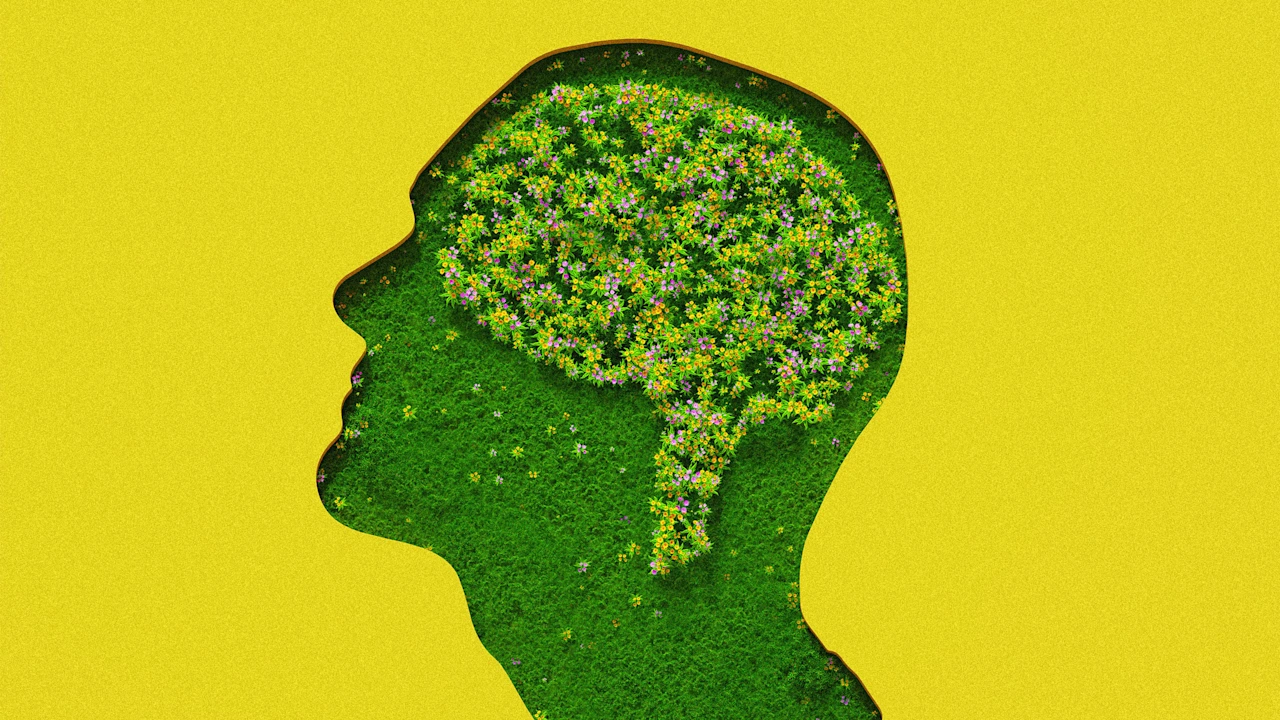
Despite a significant majority of employers offering mental health care benefits, new research reveals substantial gaps in the effectiveness of these services. The 2025 Employee Benefit Research Institute (EBRI) Employer Survey, released on October 6, indicates that while 97% of surveyed companies provide mental health coverage, many lack insights into how employees utilize these services.
The survey included responses from professionals at 400 companies with 500 or more employees, highlighting that a variety of nontraditional mental health programs are also available. For instance, 62% of respondents reported offering coverage for financial therapists, and 74% included mindfulness app subscriptions. Despite these offerings, significant shortcomings remain. Only two-thirds of companies provide coverage for substance use treatment, and merely one-third cover ongoing treatment for chronic conditions. Furthermore, only 25% of companies offer care tailored to employees from diverse cultural backgrounds.
A concerning aspect of the research is the lack of tracking regarding the usage of mental health services. Just 22% of employers analyze claims data to understand how benefits are being utilized. In addition, only 37% measure employee satisfaction with their health care plans overall.
“Complete and transparent access to claims data enables employers to design benefit programs that truly meet the needs of their employees and their families,” said Margaret Faso, policy director with the National Alliance of Healthcare Purchaser Coalitions, in a press release. She emphasized that the findings reinforce the necessity for employers to pursue greater transparency in their mental health care offerings.
Interestingly, the survey also revealed that a majority of employers do not believe they should be responsible for the breadth, pricing, or quality of mental health care services. Only 10% indicated that employers should bear this responsibility, while others feel it lies with insurance companies (28%), federal government agencies (30%), and state governments (24%).
The findings suggest that while mental health benefits are widely available, their impact may be diminished by a lack of tracking and understanding of employee needs. As businesses continue to prioritize workforce wellbeing, addressing these gaps will likely become increasingly important.
The extended deadline for Fast Company’s Most Innovative Companies Awards is tonight, October 10, at 23:59 PT. Interested parties are encouraged to apply before the cutoff.













Revolutionary Photonic Ski-Jump Could Miniaturize LiDAR Systems

Couples Detox from Plastics in New Netflix Doc: Can It Boost Fertility?

Aventon Launches Affordable Full-Suspension Electric Mountain Bike

Discover Eight Must-Try Restaurants This Spring Season

UC Irvine Team Unveils Innovative Ion Pump for Water Treatment

One-Third of Americans Trim Daily Expenses for Healthcare Needs

Apple Secures First Oscar in Three Years with F1: The Movie

Fourth Graders Celebrate St. Patrick’s Day with Creative Weather Drawings

Kim Kardashian Dazzles at Vanity Fair Oscars Party 2026

Nostradamus’ 2026 Predictions: Star Death and Dark Events Loom

Breakthroughs and Challenges Await Science in 2026

Electric Moto Influencer Surronster Arrested in Tijuana

OpenAI to Implement Age Verification for ChatGPT by December 2025

Discover the Top 10 Calorie Counting Apps of 2025

Recovering a Suspended TikTok Account: A Step-by-Step Guide

Bella Hadid Shares Health Update After Treatment for Lyme Disease

Backpack Drives Equip Students with Supplies for New School Year

Analysts Project Stronger Growth for Apple’s iPhone 17 Lineup
-
 Science8 months ago
Nostradamus’ 2026 Predictions: Star Death and Dark Events Loom
-
 Science8 months ago
Breakthroughs and Challenges Await Science in 2026
-
 Technology11 months ago
Electric Moto Influencer Surronster Arrested in Tijuana
-
 Technology9 months ago
OpenAI to Implement Age Verification for ChatGPT by December 2025
-
 Technology1 year ago
Discover the Top 10 Calorie Counting Apps of 2025
-
 Technology1 year ago
Recovering a Suspended TikTok Account: A Step-by-Step Guide
-
 Health11 months ago
Bella Hadid Shares Health Update After Treatment for Lyme Disease
-
 Education1 year ago
Backpack Drives Equip Students with Supplies for New School Year
-
 Health12 months ago
Analysts Project Stronger Growth for Apple’s iPhone 17 Lineup
-

 Health12 months ago
Japanese Study Finds Rose Oil Can Increase Brain Gray Matter
-

 Technology8 months ago
Top 10 Penny Stocks to Watch in 2026 for Strong Returns
-

 Science10 months ago
Starship V3 Set for 2026 Launch After Successful Final Test of Version 2