
Health
Discovering the Impact of Weighted Prisoner Squats on Fitness

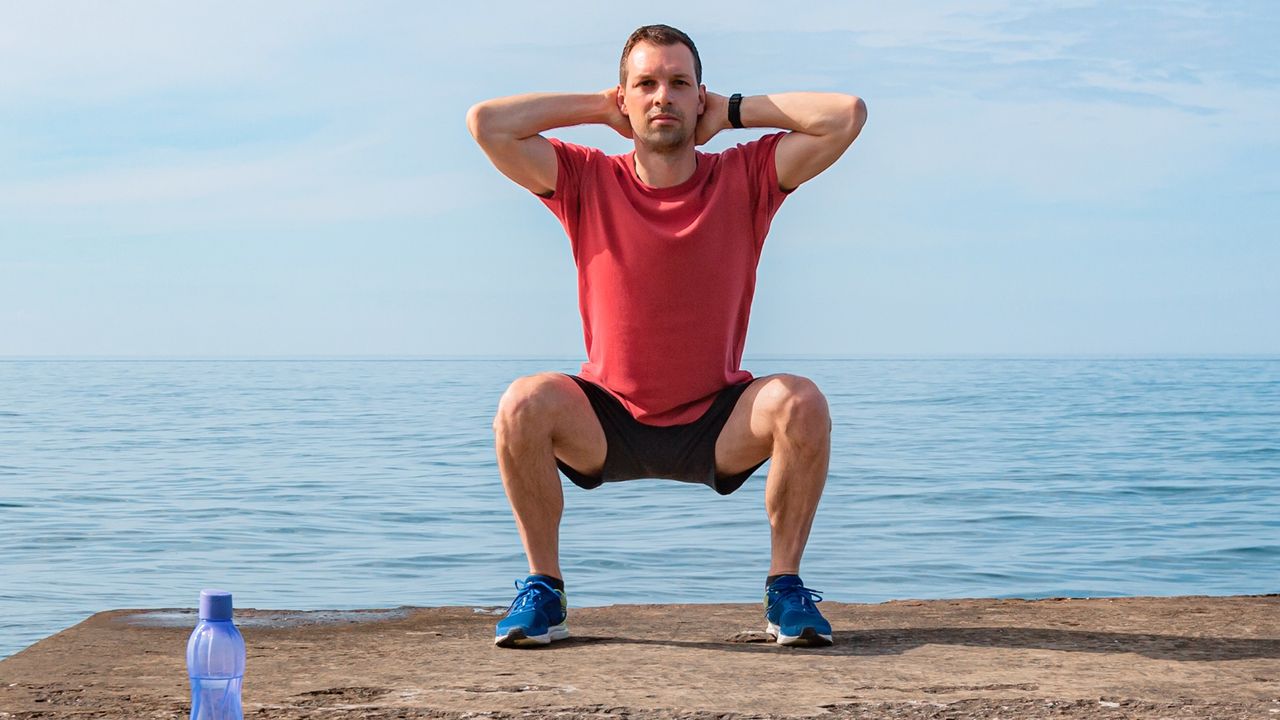
Engaging in a fitness challenge involving weighted prisoner squats can yield significant insights into body strength and exercise technique. The challenge, undertaken over one week, revealed both the benefits and drawbacks of this specific exercise, particularly when performed with added weight.
Prisoner squats are a unique variation of the traditional squat, characterized by the placement of hands behind the head. This positioning is designed to engage the shoulders and open up the chest while performing the squat. Incorporating weights, such as a dumbbell or kettlebell held behind the head, adds an extra layer of difficulty and muscle engagement, specifically targeting the glutes, quads, hamstrings, and adductors.
Understanding the Mechanics of the Exercise
To properly execute a prisoner squat, begin with feet hip-width apart. While holding the weight behind your head, draw your elbows back to lift your chest. Lower your body as if sitting down, ensuring your back remains flat and your knees align with your toes. Aim to lower until your thighs are parallel to the ground, pausing briefly before driving back up through your feet. Maintaining heel contact with the ground is crucial during the movement.
Starting with three sets of ten repetitions is advisable for beginners, gradually increasing as strength improves.
The initial experience with a 12 lb dumbbell highlighted some challenges. While the squats were manageable, the weight’s placement forced the elbows forward, altering the ideal form. Switching to an 18 lb kettlebell did not resolve the discomfort, as the bulkiness of the equipment disrupted the natural positioning of the elbows.
Progressing Through the Challenge
As the week progressed, adjustments were made to improve comfort and effectiveness. On the second day, increasing the repetitions while using the weights felt rewarding, despite lingering uncertainties about the benefits of the hand position. By day three, a shift to using a sandbag made a noticeable difference. The design of the sandbag allowed for an improved grip that kept the elbows back and the chest lifted, promoting better form and execution.
This experience emphasized the importance of proper equipment and positioning in maximizing the effectiveness of the exercise. A sandbag’s wider handle provided a more natural feel and enhanced the overall performance of the move.
By the week’s end, the challenge culminated in completing three sets of 25 repetitions with the kettlebell. Despite the accomplishment, the exercise itself did not resonate as particularly beneficial. The experience confirmed that while weighted squats are effective, the positioning can feel uncomfortable when using certain types of weights.
Alternatives such as the sumo squat or goblet squat with a kettlebell or dumbbell may suit those looking to incorporate weight into their squats without the discomfort experienced with the prisoner squat.
In conclusion, while the weighted prisoner squat may not be a preferred exercise for everyone, it provides valuable insights into strength training. Its unique mechanics can challenge the body in new ways, though individuals may find other squat variations more comfortable and effective. Regardless of the choice of squat, integrating these movements into a fitness routine remains essential for building strength and enhancing overall fitness.
For more fitness insights and challenges, keep following the updates from Tom’s Guide.

Revolutionary Photonic Ski-Jump Could Miniaturize LiDAR Systems

Couples Detox from Plastics in New Netflix Doc: Can It Boost Fertility?

Aventon Launches Affordable Full-Suspension Electric Mountain Bike

Discover Eight Must-Try Restaurants This Spring Season

UC Irvine Team Unveils Innovative Ion Pump for Water Treatment

One-Third of Americans Trim Daily Expenses for Healthcare Needs

Apple Secures First Oscar in Three Years with F1: The Movie

Fourth Graders Celebrate St. Patrick’s Day with Creative Weather Drawings

Kim Kardashian Dazzles at Vanity Fair Oscars Party 2026

Nostradamus’ 2026 Predictions: Star Death and Dark Events Loom

Breakthroughs and Challenges Await Science in 2026

Electric Moto Influencer Surronster Arrested in Tijuana

OpenAI to Implement Age Verification for ChatGPT by December 2025

Discover the Top 10 Calorie Counting Apps of 2025

Recovering a Suspended TikTok Account: A Step-by-Step Guide

Bella Hadid Shares Health Update After Treatment for Lyme Disease

Backpack Drives Equip Students with Supplies for New School Year

Analysts Project Stronger Growth for Apple’s iPhone 17 Lineup
-
 Science7 months ago
Nostradamus’ 2026 Predictions: Star Death and Dark Events Loom
-
 Science7 months ago
Breakthroughs and Challenges Await Science in 2026
-
 Technology10 months ago
Electric Moto Influencer Surronster Arrested in Tijuana
-
 Technology8 months ago
OpenAI to Implement Age Verification for ChatGPT by December 2025
-
 Technology1 year ago
Discover the Top 10 Calorie Counting Apps of 2025
-
 Technology1 year ago
Recovering a Suspended TikTok Account: A Step-by-Step Guide
-
 Health10 months ago
Bella Hadid Shares Health Update After Treatment for Lyme Disease
-
 Education1 year ago
Backpack Drives Equip Students with Supplies for New School Year
-
 Health11 months ago
Analysts Project Stronger Growth for Apple’s iPhone 17 Lineup
-

 Technology7 months ago
Top 10 Penny Stocks to Watch in 2026 for Strong Returns
-

 Health11 months ago
Japanese Study Finds Rose Oil Can Increase Brain Gray Matter
-

 Science9 months ago
Starship V3 Set for 2026 Launch After Successful Final Test of Version 2