
Health
Discover the Nutritional Benefits of Growing Microgreens at Home

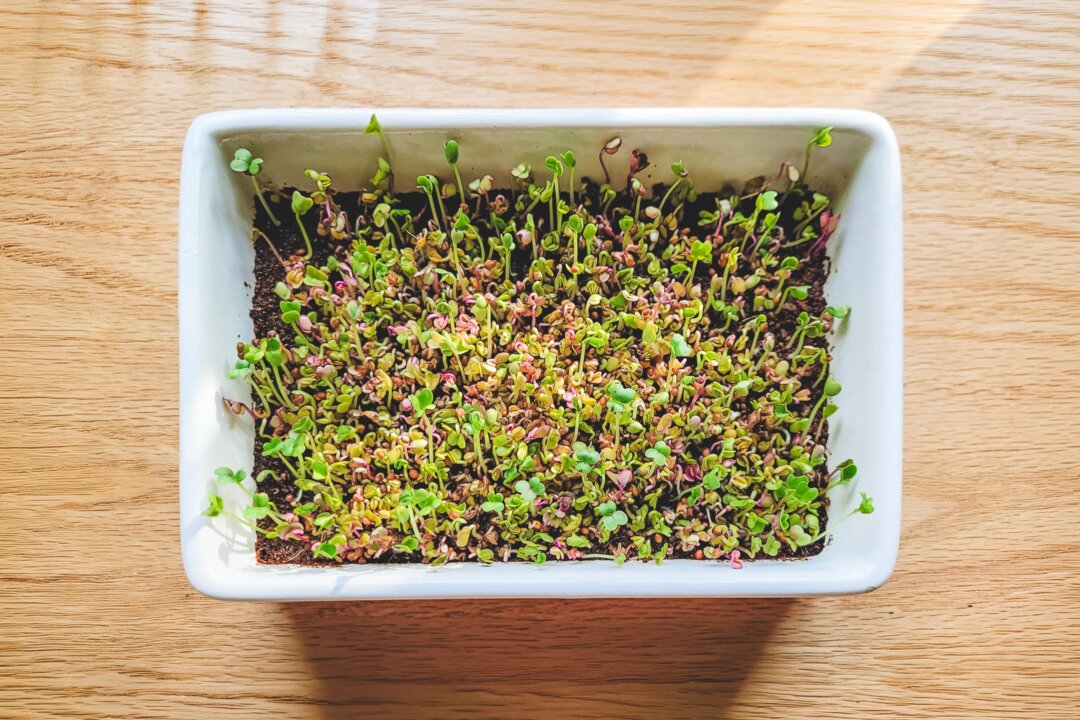
Growing microgreens and sprouts at home is gaining popularity as individuals seek to enhance their meals with nutritional benefits. Research indicates that these young plants can boast higher concentrations of essential nutrients compared to mature vegetables. This makes them a valuable addition to everyday diets, offering a simple way to increase the nutritional content of various dishes.
The appeal of microgreens and sprouts extends beyond their health benefits. They provide a crisp texture and vibrant flavor that can elevate even the most basic meals. A small handful can significantly enhance the taste and presentation of salads, sandwiches, and other culinary creations. Cultivating these plants in your kitchen allows for better control over the food you consume, ensuring freshness and quality.
Understanding Microgreens and Sprouts
Microgreens and sprouts differ in several key aspects, including growing time, harvest stage, and edible parts. Microgreens are typically harvested a week or two after germination, just as the first true leaves emerge. In contrast, sprouts are harvested much earlier, usually within a few days of soaking seeds in water.
Both options are packed with vitamins, antioxidants, and other micronutrients that support digestion and immune health. For instance, studies have shown that microgreens can have up to 40 times more nutrients than their mature counterparts. This makes them particularly appealing for health-conscious consumers looking to boost their intake of essential vitamins and minerals.
While microgreens often require soil or a growth medium, sprouts can be grown in water alone, making them simpler for beginners. Popular choices for microgreens include sunflower, pea shoots, and radish, while common sprouts consist of alfalfa, broccoli, and lentils.
Health Benefits and Culinary Uses
The health benefits of incorporating microgreens and sprouts into one’s diet are noteworthy. These plants are known to contain high levels of vitamins A, C, E, and K, as well as minerals like calcium, magnesium, and iron. Antioxidants found in these young plants can help combat oxidative stress, potentially reducing the risk of chronic diseases.
In addition to their health benefits, microgreens and sprouts are versatile ingredients in the kitchen. They can be added to smoothies, salads, sandwiches, and soups for an extra nutritional punch. The freshness they bring can transform a simple dish into a gourmet experience.
As more individuals become aware of the benefits, home cultivation of microgreens and sprouts is likely to continue growing. With minimal space and resources required, anyone can start this rewarding gardening venture at home. Whether in a dedicated garden space or simply on a kitchen countertop, the potential for fresh and nutritious additions to meals is within reach.
In conclusion, exploring the world of microgreens and sprouts opens up new culinary possibilities while providing significant health benefits. By understanding their unique characteristics and incorporating them into daily meals, individuals can enjoy both enhanced flavors and improved nutrition.

Revolutionary Photonic Ski-Jump Could Miniaturize LiDAR Systems

Couples Detox from Plastics in New Netflix Doc: Can It Boost Fertility?

Aventon Launches Affordable Full-Suspension Electric Mountain Bike

Discover Eight Must-Try Restaurants This Spring Season

UC Irvine Team Unveils Innovative Ion Pump for Water Treatment

One-Third of Americans Trim Daily Expenses for Healthcare Needs

Apple Secures First Oscar in Three Years with F1: The Movie

Fourth Graders Celebrate St. Patrick’s Day with Creative Weather Drawings

Kim Kardashian Dazzles at Vanity Fair Oscars Party 2026

Nostradamus’ 2026 Predictions: Star Death and Dark Events Loom

Breakthroughs and Challenges Await Science in 2026

Electric Moto Influencer Surronster Arrested in Tijuana

OpenAI to Implement Age Verification for ChatGPT by December 2025

Discover the Top 10 Calorie Counting Apps of 2025

Bella Hadid Shares Health Update After Treatment for Lyme Disease

Analysts Project Stronger Growth for Apple’s iPhone 17 Lineup

Japanese Study Finds Rose Oil Can Increase Brain Gray Matter

Top 10 Penny Stocks to Watch in 2026 for Strong Returns
-
 Science4 months ago
Nostradamus’ 2026 Predictions: Star Death and Dark Events Loom
-
 Science4 months ago
Breakthroughs and Challenges Await Science in 2026
-
 Technology7 months ago
Electric Moto Influencer Surronster Arrested in Tijuana
-
 Technology4 months ago
OpenAI to Implement Age Verification for ChatGPT by December 2025
-
 Technology9 months ago
Discover the Top 10 Calorie Counting Apps of 2025
-
 Health7 months ago
Bella Hadid Shares Health Update After Treatment for Lyme Disease
-
 Health7 months ago
Analysts Project Stronger Growth for Apple’s iPhone 17 Lineup
-
 Health7 months ago
Japanese Study Finds Rose Oil Can Increase Brain Gray Matter
-
 Technology4 months ago
Top 10 Penny Stocks to Watch in 2026 for Strong Returns
-

 Science6 months ago
Starship V3 Set for 2026 Launch After Successful Final Test of Version 2
-

 Technology1 month ago
Nvidia GTC 2026: Major Announcements Expected for AI and Hardware
-

 Education7 months ago
Harvard Secures Court Victory Over Federal Funding Cuts