
Health
Build Mental Strength with This 5-Minute Mindfulness Routine

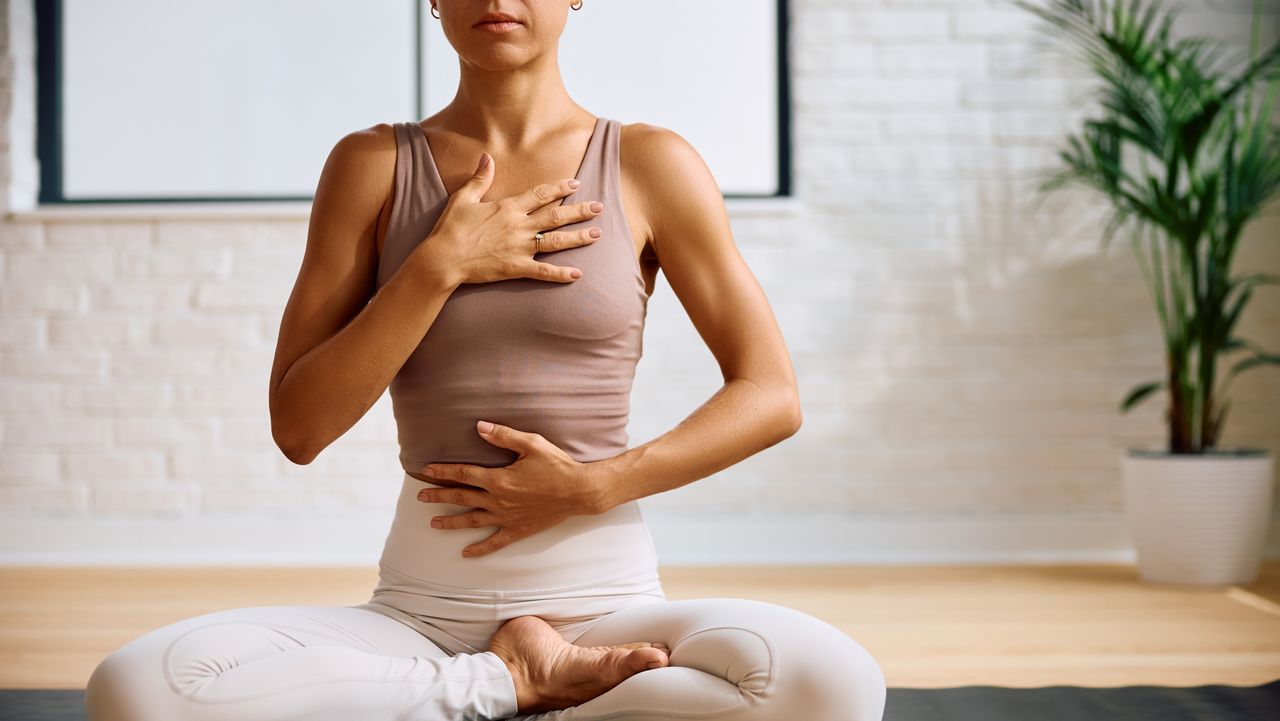
The emphasis on physical fitness continues to evolve, with a growing focus on mental well-being in 2025. As individuals pursue personal bests and tackle substantial physical challenges, the integration of mindfulness practices is becoming increasingly popular. Mindfulness, at its core, involves being present and aware of one’s surroundings and internal state. This shift highlights the importance of slowing down and nurturing mental health alongside physical fitness.
To delve into the connection between mindfulness and mental strength, I spoke with Vladimir Novkov, a sports psychologist specializing in performance enhancement for athletes and professionals. Novkov shared a straightforward mindfulness routine that requires no special equipment and can be done in just five minutes. The key is to find a quiet space free from distractions, such as mobile phones, televisions, or work-related noise.
Mindfulness Meditation Routine
Novkov emphasizes that mindfulness meditation centers on the philosophy of solitude, allowing individuals to engage their parasympathetic nervous system. This part of the nervous system promotes relaxation and recovery, leading to a sense of calm. A commitment of just five to ten minutes daily can significantly enhance one’s awareness and connection to their body.
**Step 1: Box Breathing**
The initial phase of this routine involves a technique known as box breathing. Novkov instructs participants to stand tall and close their eyes, taking a few deep breaths to center themselves. The box breathing sequence includes inhaling for a count of three, holding the breath for three counts, exhaling for three, and then holding again for three counts. This cycle is repeated ten times.
During this practice, it is natural for thoughts to emerge, both positive and negative. Novkov advises against judging these thoughts. Instead, acknowledge them and allow them to pass. This step fosters mindfulness by encouraging individuals to observe their thoughts while maintaining focus on their breath.
**Step 2: Gentle Stretching**
Following the box breathing, Novkov recommends engaging in gentle stretching. Stretching not only signals the body to relax but also enhances the mindfulness experience. For those seated, simple neck stretches can be effective. Stretching each side for approximately thirty seconds can provide a deep release of tension in the neck. Additionally, reaching upward with each hand can deepen the stretch and extend it to the back.
**Step 3: Return to Breathing**
After stretching, participants should resume the box breathing technique for an additional few minutes. Novkov notes that this phase might bring more intense thoughts to the forefront. The aim here is to continue focusing solely on the breath, practicing the art of doing nothing but observing.
In total, Novkov suggests spending around five to ten minutes on this mindfulness practice. While daily practice is not mandatory, regular engagement can lead to a heightened sense of relaxation and a deeper connection to one’s body.
The Benefits of Mindfulness
Mindfulness offers several advantages that extend beyond mere relaxation. Novkov explains that attention functions like a muscle; it can become fatigued with overuse and requires scheduled rest to remain effective. In today’s fast-paced environment, where distractions abound, it is easy to lose focus.
Implementing Novkov’s concise mindfulness routine can help reset attention systems in the brain. “From a performance psychology perspective, attention works like a muscle: it gets tired when you use it too much and needs scheduled rest to stay accurate and stable,” he explains.
Moreover, mindfulness practices can enhance cognitive performance. A short, focused break allows the brain to declutter, clearing mental space to improve decision-making and reaction times, particularly under stress. Novkov highlights the concept of “mental decluttering,” which can enhance executive control, directly impacting focus and response during challenging situations.
Mindfulness also fosters a sense of control that can diminish in high-pressure environments. By observing thoughts rather than reacting impulsively, individuals can approach challenges with greater awareness and composure, whether in the realm of fitness or professional demands.
As the fitness landscape continues to evolve, incorporating mindfulness into daily routines can facilitate not only physical strength but also mental resilience.



Revolutionary Photonic Ski-Jump Could Miniaturize LiDAR Systems

Couples Detox from Plastics in New Netflix Doc: Can It Boost Fertility?

Aventon Launches Affordable Full-Suspension Electric Mountain Bike

Discover Eight Must-Try Restaurants This Spring Season

UC Irvine Team Unveils Innovative Ion Pump for Water Treatment

One-Third of Americans Trim Daily Expenses for Healthcare Needs

Apple Secures First Oscar in Three Years with F1: The Movie

Fourth Graders Celebrate St. Patrick’s Day with Creative Weather Drawings

Kim Kardashian Dazzles at Vanity Fair Oscars Party 2026

Nostradamus’ 2026 Predictions: Star Death and Dark Events Loom

Breakthroughs and Challenges Await Science in 2026

Electric Moto Influencer Surronster Arrested in Tijuana

OpenAI to Implement Age Verification for ChatGPT by December 2025

Discover the Top 10 Calorie Counting Apps of 2025

Recovering a Suspended TikTok Account: A Step-by-Step Guide

Bella Hadid Shares Health Update After Treatment for Lyme Disease

Backpack Drives Equip Students with Supplies for New School Year

Analysts Project Stronger Growth for Apple’s iPhone 17 Lineup
-
 Science8 months ago
Nostradamus’ 2026 Predictions: Star Death and Dark Events Loom
-
 Science8 months ago
Breakthroughs and Challenges Await Science in 2026
-
 Technology11 months ago
Electric Moto Influencer Surronster Arrested in Tijuana
-
 Technology9 months ago
OpenAI to Implement Age Verification for ChatGPT by December 2025
-
 Technology1 year ago
Discover the Top 10 Calorie Counting Apps of 2025
-
 Technology1 year ago
Recovering a Suspended TikTok Account: A Step-by-Step Guide
-
 Health11 months ago
Bella Hadid Shares Health Update After Treatment for Lyme Disease
-
 Education1 year ago
Backpack Drives Equip Students with Supplies for New School Year
-
 Health12 months ago
Analysts Project Stronger Growth for Apple’s iPhone 17 Lineup
-

 Health12 months ago
Japanese Study Finds Rose Oil Can Increase Brain Gray Matter
-

 Technology8 months ago
Top 10 Penny Stocks to Watch in 2026 for Strong Returns
-

 Science10 months ago
Starship V3 Set for 2026 Launch After Successful Final Test of Version 2