
Health
Beauty Industry Profits from Colonial Legacy of Skin Lightening

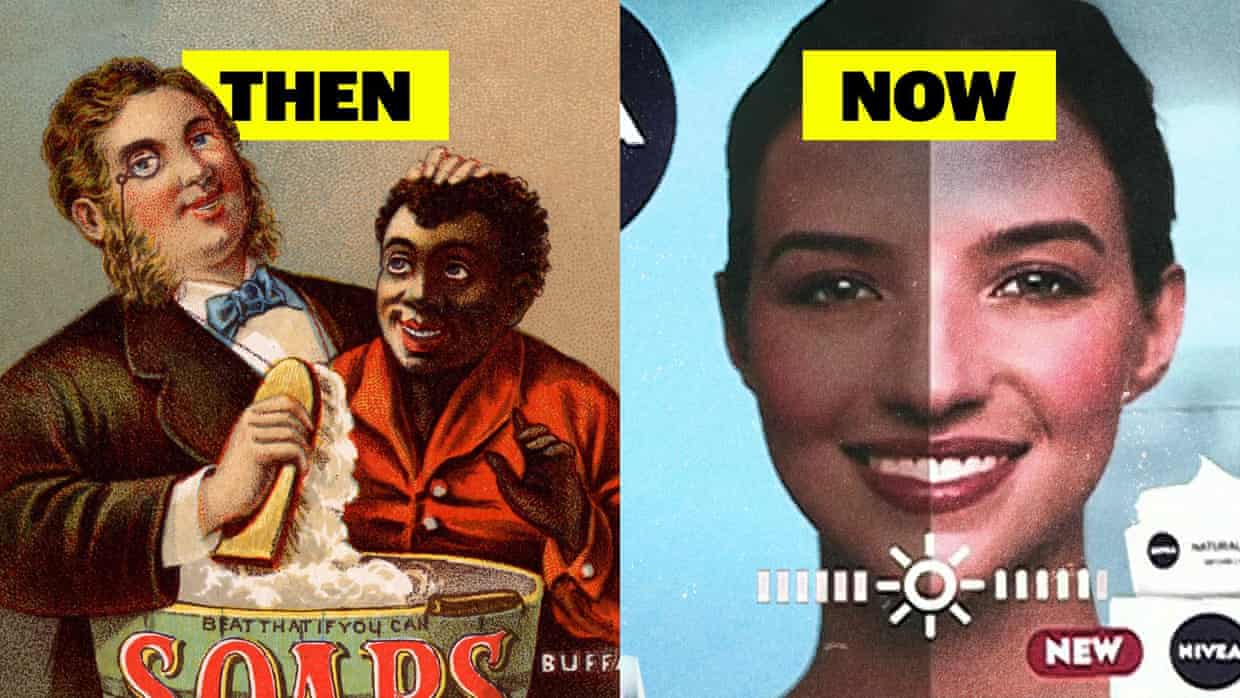
The skin-lightening industry continues to thrive despite serious health risks associated with its products. Recent findings indicate a troubling increase in cancers and permanent skin damage among women of colour, who often use unregulated items marketed to them. This issue is not new; it has been documented for years, raising questions about the persistent appeal of these products.
Historical Context of Skin Lightening
The practice of skin lightening has deep historical roots, intertwined with colonialism and classism. According to research by Josh Toussaint-Strauss, the beauty industry has long leveraged these historical narratives to promote its products. The messaging suggests that lighter skin equates to beauty, success, and social status. This notion, entrenched in societal norms, continues to influence purchasing decisions, particularly among marginalized communities.
As the global beauty industry expands, it capitalizes on these outdated beliefs, offering a range of skin-lightening products that promise to enhance appearance. The appeal of these items often overshadows the risks involved, leading consumers to ignore warnings about their harmful effects.
Health Risks and Regulatory Challenges
The dangers posed by skin-lightening products are significant. Many contain hazardous ingredients like mercury and hydroquinone, which can lead to serious health complications. Studies have shown that prolonged use can result in irreversible skin damage, including discoloration and even cancer. Despite this, the lack of regulation in many countries allows these products to remain on the market.
In regions where regulations are stricter, the products often find their way back through online sales, highlighting the challenges of enforcement. The World Health Organization has raised alarms over the increasing prevalence of skin-lightening products, emphasizing the need for stricter regulations to protect consumers.
The beauty industry’s profits from this practice raise ethical questions about its responsibility towards consumer safety. While the allure of lighter skin is perpetuated through marketing strategies, the reality of health consequences remains largely unaddressed.
As the conversation around beauty standards evolves, there is a growing demand for awareness and education about the risks associated with skin-lightening products. Advocacy groups are urging consumers to question the narratives promoted by the beauty industry and recognize the historical context behind them.
The continued popularity of these products, despite known dangers, calls for a critical examination of societal values and the need for greater accountability within the beauty sector.













Revolutionary Photonic Ski-Jump Could Miniaturize LiDAR Systems

Couples Detox from Plastics in New Netflix Doc: Can It Boost Fertility?

Aventon Launches Affordable Full-Suspension Electric Mountain Bike

Discover Eight Must-Try Restaurants This Spring Season

UC Irvine Team Unveils Innovative Ion Pump for Water Treatment

One-Third of Americans Trim Daily Expenses for Healthcare Needs

Apple Secures First Oscar in Three Years with F1: The Movie

Fourth Graders Celebrate St. Patrick’s Day with Creative Weather Drawings

Kim Kardashian Dazzles at Vanity Fair Oscars Party 2026

Nostradamus’ 2026 Predictions: Star Death and Dark Events Loom

Breakthroughs and Challenges Await Science in 2026

Electric Moto Influencer Surronster Arrested in Tijuana

OpenAI to Implement Age Verification for ChatGPT by December 2025

Discover the Top 10 Calorie Counting Apps of 2025

Recovering a Suspended TikTok Account: A Step-by-Step Guide

Bella Hadid Shares Health Update After Treatment for Lyme Disease

Analysts Project Stronger Growth for Apple’s iPhone 17 Lineup

Japanese Study Finds Rose Oil Can Increase Brain Gray Matter
-
 Science7 months ago
Nostradamus’ 2026 Predictions: Star Death and Dark Events Loom
-
 Science7 months ago
Breakthroughs and Challenges Await Science in 2026
-
 Technology10 months ago
Electric Moto Influencer Surronster Arrested in Tijuana
-
 Technology8 months ago
OpenAI to Implement Age Verification for ChatGPT by December 2025
-
 Technology12 months ago
Discover the Top 10 Calorie Counting Apps of 2025
-
 Technology1 year ago
Recovering a Suspended TikTok Account: A Step-by-Step Guide
-
 Health10 months ago
Bella Hadid Shares Health Update After Treatment for Lyme Disease
-
 Health10 months ago
Analysts Project Stronger Growth for Apple’s iPhone 17 Lineup
-
 Health11 months ago
Japanese Study Finds Rose Oil Can Increase Brain Gray Matter
-

 Technology7 months ago
Top 10 Penny Stocks to Watch in 2026 for Strong Returns
-

 Science9 months ago
Starship V3 Set for 2026 Launch After Successful Final Test of Version 2
-

 Technology9 months ago
InMotion Unveils P6 Electric Unicycle with 93 MPH Top Speed