
Education
Trump Administration Expands Sanctions Against ICC Officials

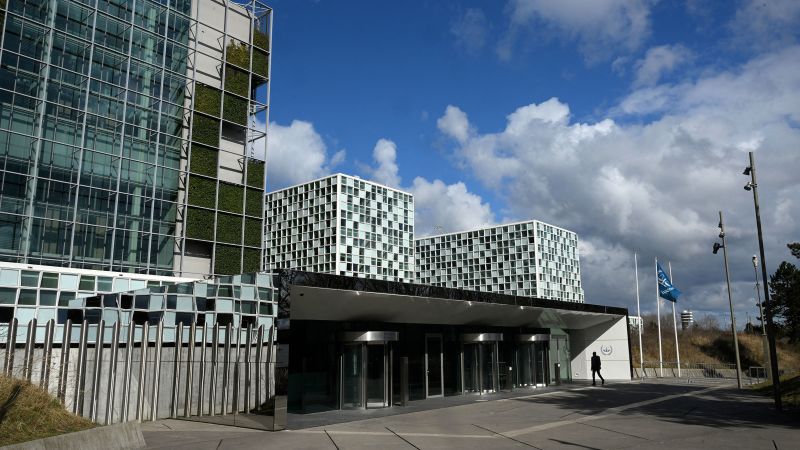
The Trump administration has intensified its opposition to the International Criminal Court (ICC) by imposing sanctions on four additional court officials. This decision, announced on Wednesday, targets individuals involved in investigations related to alleged war crimes by Israel and the United States.
Secretary of State Marco Rubio confirmed that the sanctions were placed on Kimberly Prost of Canada, Nicolas Guillou of France, Nazhat Shameem Khan of Fiji, and Mame Mandiaye Niang of Senegal. The State Department’s statement indicated these sanctions are a response to their roles in the ICC’s efforts to “investigate, arrest, detain, or prosecute nationals of the United States or Israel, without the consent of either nation.”
These latest sanctions fall under an executive order issued by Donald Trump in February, empowering the administration to take punitive actions against ICC personnel deemed to be undermining U.S. interests and those of its allies. The order has previously led to sanctions against the ICC’s chief prosecutor, Karim Khan, and four ICC judges.
Details of the Sanctions
According to a fact sheet from the State Department, Prost, an ICC judge, is specifically cited for her ruling that permitted an investigation into U.S. personnel in Afghanistan. Similarly, Guillou is designated for supporting the issuance of arrest warrants for Israeli Prime Minister Benjamin Netanyahu and former Minister of Defense Yoav Gallant.
The sanctions also target Deputy Prosecutors Shameem Khan and Niang, who have been identified as continuing to support what the U.S. government describes as illegitimate ICC actions against Israel. This includes their roles in upholding arrest warrants for Netanyahu and Gallant, which were issued in November 2024 for alleged war crimes and crimes against humanity.
Trump’s earlier executive order, signed in 2020 during his first term, also authorized sanctions and visa restrictions against ICC members. This action followed the ICC’s decision to investigate alleged war crimes committed in Afghanistan by both U.S. and Afghan forces, as well as claims against the Taliban.
The ongoing sanctions reflect a significant escalation in the U.S. government’s stance toward the ICC, which it views as overstepping its mandate. As tensions rise over the court’s investigations, the implications of these sanctions could further complicate international relations regarding accountability for war crimes and human rights violations.










Revolutionary Photonic Ski-Jump Could Miniaturize LiDAR Systems

Couples Detox from Plastics in New Netflix Doc: Can It Boost Fertility?

Aventon Launches Affordable Full-Suspension Electric Mountain Bike

Discover Eight Must-Try Restaurants This Spring Season

UC Irvine Team Unveils Innovative Ion Pump for Water Treatment

One-Third of Americans Trim Daily Expenses for Healthcare Needs

Apple Secures First Oscar in Three Years with F1: The Movie

Fourth Graders Celebrate St. Patrick’s Day with Creative Weather Drawings

Kim Kardashian Dazzles at Vanity Fair Oscars Party 2026

Nostradamus’ 2026 Predictions: Star Death and Dark Events Loom

Breakthroughs and Challenges Await Science in 2026

Electric Moto Influencer Surronster Arrested in Tijuana

OpenAI to Implement Age Verification for ChatGPT by December 2025

Discover the Top 10 Calorie Counting Apps of 2025

Recovering a Suspended TikTok Account: A Step-by-Step Guide

Bella Hadid Shares Health Update After Treatment for Lyme Disease

Backpack Drives Equip Students with Supplies for New School Year

Analysts Project Stronger Growth for Apple’s iPhone 17 Lineup
-
 Science8 months ago
Nostradamus’ 2026 Predictions: Star Death and Dark Events Loom
-
 Science8 months ago
Breakthroughs and Challenges Await Science in 2026
-
 Technology11 months ago
Electric Moto Influencer Surronster Arrested in Tijuana
-
 Technology9 months ago
OpenAI to Implement Age Verification for ChatGPT by December 2025
-
 Technology1 year ago
Discover the Top 10 Calorie Counting Apps of 2025
-
 Technology1 year ago
Recovering a Suspended TikTok Account: A Step-by-Step Guide
-
 Health11 months ago
Bella Hadid Shares Health Update After Treatment for Lyme Disease
-
 Education1 year ago
Backpack Drives Equip Students with Supplies for New School Year
-
 Health11 months ago
Analysts Project Stronger Growth for Apple’s iPhone 17 Lineup
-

 Health12 months ago
Japanese Study Finds Rose Oil Can Increase Brain Gray Matter
-

 Technology8 months ago
Top 10 Penny Stocks to Watch in 2026 for Strong Returns
-

 Science10 months ago
Starship V3 Set for 2026 Launch After Successful Final Test of Version 2