
Education
Transform Your Mindset: Build a Training Plan for Mental Fitness

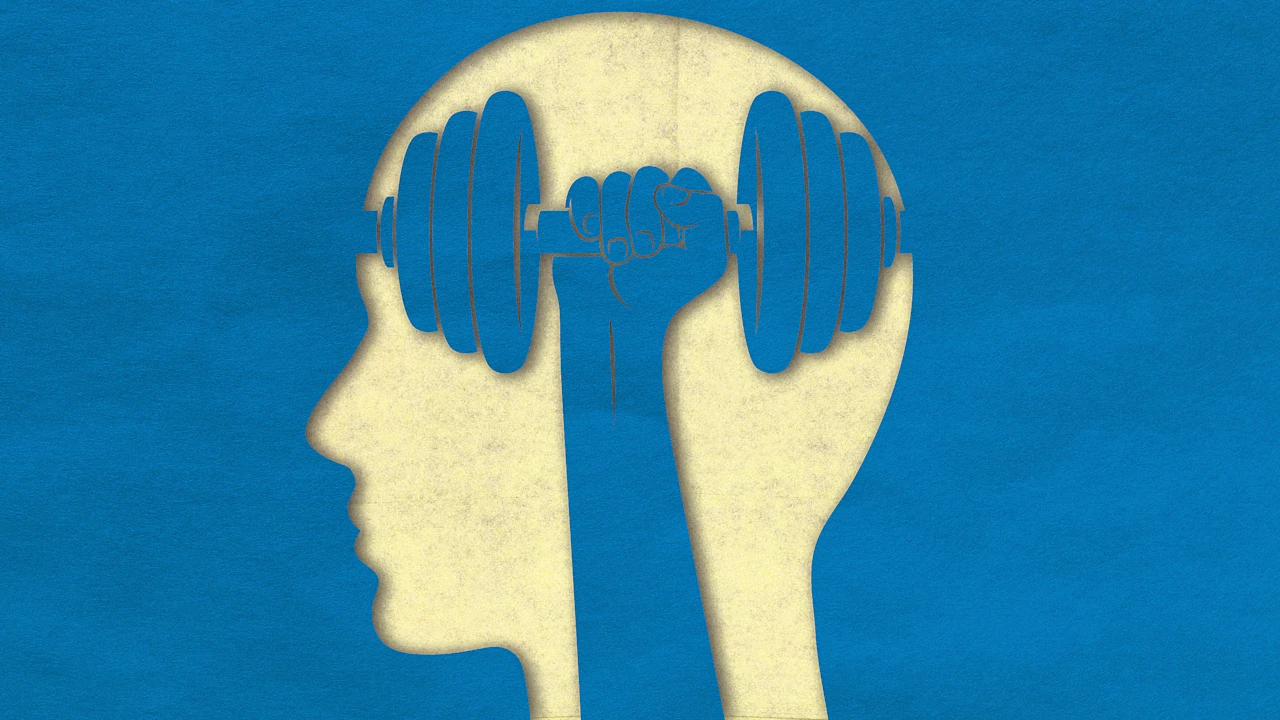
The onset of a new year often brings the promise of fresh starts. Yet, as many workers in corporate America find themselves overwhelmed by continuous demands, an estimated 90% report experiencing some level of burnout. This persistent issue is prompting a reevaluation of how we approach mental well-being in the workplace. As companies prepare to invest $94.6 billion in wellness programs by 2026, the focus is shifting towards treating mental fitness with the same diligence as physical health.
In a culture heavily invested in optimizing physical performance, the mental aspect often remains neglected. While many engage in tracking sleep cycles and heart rates, the underlying beliefs and emotional patterns that influence workplace behavior go largely unexamined. This oversight raises a critical question: what if we began to see our minds as entities capable of growth rather than crises to manage?
Redefining Mental Fitness
To combat anxiety and overworking, organizations must implement structured systems akin to those used in physical training. This involves setting specific goals, maintaining consistent practice, and measuring progress. The concept of “mental fitness” mirrors the fundamentals of physical training: assess, train, and track.
1. **Assess the pattern, not the person**: Instead of labeling oneself as “bad at strategy,” shift the language to identify behaviors under pressure. For example, “When time is limited, I tend to rush to solutions without proper framing.” This reframing focuses on behaviors that can be coached and improved.
2. **Train one aspect at a time**: Transformation does not occur overnight. Just as one cannot expect immediate results from a single gym session, the same applies to mental change. Focus on one critical area for improvement, such as remaining calm during uncertainty or submitting work that is 80% complete instead of waiting for perfection. Commit to this practice for two to four weeks.
3. **Track observable signals**: Instead of asking vague questions like “Am I a better communicator?” track specific actions. For instance, consider whether you paused before responding in a challenging discussion or if you asked clarifying questions before proposing solutions.
A Simple Protocol for Change
In a world that prioritizes novelty, the repetition of effective practices may seem monotonous. However, identity changes thrive on consistent practice. Here is a straightforward four-week protocol that any team can adopt:
– **Week 0: Baseline**: Create a “trigger map” documenting situations from the past two weeks that prompted negative behaviors, such as shifting project scopes or unexpected executive drop-ins. Select one behavior to train and identify the opposing habit you wish to adopt.
– **Weeks 1-2: Reps**: Develop a brief routine that reinforces your new identity. This could include reading a one-line intention, practicing deep breathing, or preparing a clarifying question. Establish three metrics to measure your progress, such as whether you paused before responding in a tense situation.
– **Week 3: Progressive Overload**: Increase the stakes. If you practiced your new skills in low-stress meetings, try applying them in higher-pressure scenarios, such as presenting to executives.
– **Week 4: Review and Lock In**: Reflect on your progress. Identify where your new behavior held up under stress and where it faltered. Decide if you want to continue focusing on this skill or introduce a new one.
Leaders play a pivotal role in this transformation. They should not be seen merely as coaches but as facilitators of personal growth within their teams. By normalizing “capacity goals,” managers can encourage employees to identify one skill they aim to develop alongside their traditional objectives.
For instance, during one-on-one meetings, discuss these goals as skill-building opportunities rather than areas needing correction. This approach ensures that team members do not feel judged but supported in their development.
An example of this concept in action involves a product lead who often reacted with panic when project requirements changed unexpectedly. In response to these triggers, she would call emergency meetings and create extensive presentations, which ultimately confused her team. By focusing on the goal of “creating clarity with fewer words,” she implemented two key strategies: starting meetings with a framing question and concluding with a concise summary of decisions made. The result was a more efficient decision-making process that enhanced team performance.
The need for a cultural shift in workplace mental health is evident. Just as jogging became a widespread identity in the 1970s, organizations are poised for a similar evolution regarding mental fitness. Rather than offering slogans about resilience, the emphasis should be on actionable, repeatable practices that enable individuals to embody the roles they aspire to fill.
The upcoming year presents an opportunity to integrate mental fitness into daily work routines. By treating mental well-being as a skill to be cultivated—through consistent practice and measurable outcomes—employees can reshape their identities and, in turn, foster healthier organizational cultures. As the calendar turns, remember that change begins with one powerful repetition at a time.

Revolutionary Photonic Ski-Jump Could Miniaturize LiDAR Systems

Couples Detox from Plastics in New Netflix Doc: Can It Boost Fertility?

Aventon Launches Affordable Full-Suspension Electric Mountain Bike

Discover Eight Must-Try Restaurants This Spring Season

UC Irvine Team Unveils Innovative Ion Pump for Water Treatment

One-Third of Americans Trim Daily Expenses for Healthcare Needs

Apple Secures First Oscar in Three Years with F1: The Movie

Fourth Graders Celebrate St. Patrick’s Day with Creative Weather Drawings

Kim Kardashian Dazzles at Vanity Fair Oscars Party 2026

Nostradamus’ 2026 Predictions: Star Death and Dark Events Loom

Breakthroughs and Challenges Await Science in 2026

Electric Moto Influencer Surronster Arrested in Tijuana

OpenAI to Implement Age Verification for ChatGPT by December 2025

Discover the Top 10 Calorie Counting Apps of 2025

Recovering a Suspended TikTok Account: A Step-by-Step Guide

Bella Hadid Shares Health Update After Treatment for Lyme Disease

Backpack Drives Equip Students with Supplies for New School Year

Analysts Project Stronger Growth for Apple’s iPhone 17 Lineup
-
 Science8 months ago
Nostradamus’ 2026 Predictions: Star Death and Dark Events Loom
-
 Science8 months ago
Breakthroughs and Challenges Await Science in 2026
-
 Technology11 months ago
Electric Moto Influencer Surronster Arrested in Tijuana
-
 Technology9 months ago
OpenAI to Implement Age Verification for ChatGPT by December 2025
-
 Technology1 year ago
Discover the Top 10 Calorie Counting Apps of 2025
-
 Technology1 year ago
Recovering a Suspended TikTok Account: A Step-by-Step Guide
-
 Health11 months ago
Bella Hadid Shares Health Update After Treatment for Lyme Disease
-
 Education1 year ago
Backpack Drives Equip Students with Supplies for New School Year
-
 Health12 months ago
Analysts Project Stronger Growth for Apple’s iPhone 17 Lineup
-

 Health12 months ago
Japanese Study Finds Rose Oil Can Increase Brain Gray Matter
-

 Technology8 months ago
Top 10 Penny Stocks to Watch in 2026 for Strong Returns
-

 Science10 months ago
Starship V3 Set for 2026 Launch After Successful Final Test of Version 2