
Education
Texas Private Schools Navigate Eligibility for Voucher Funding

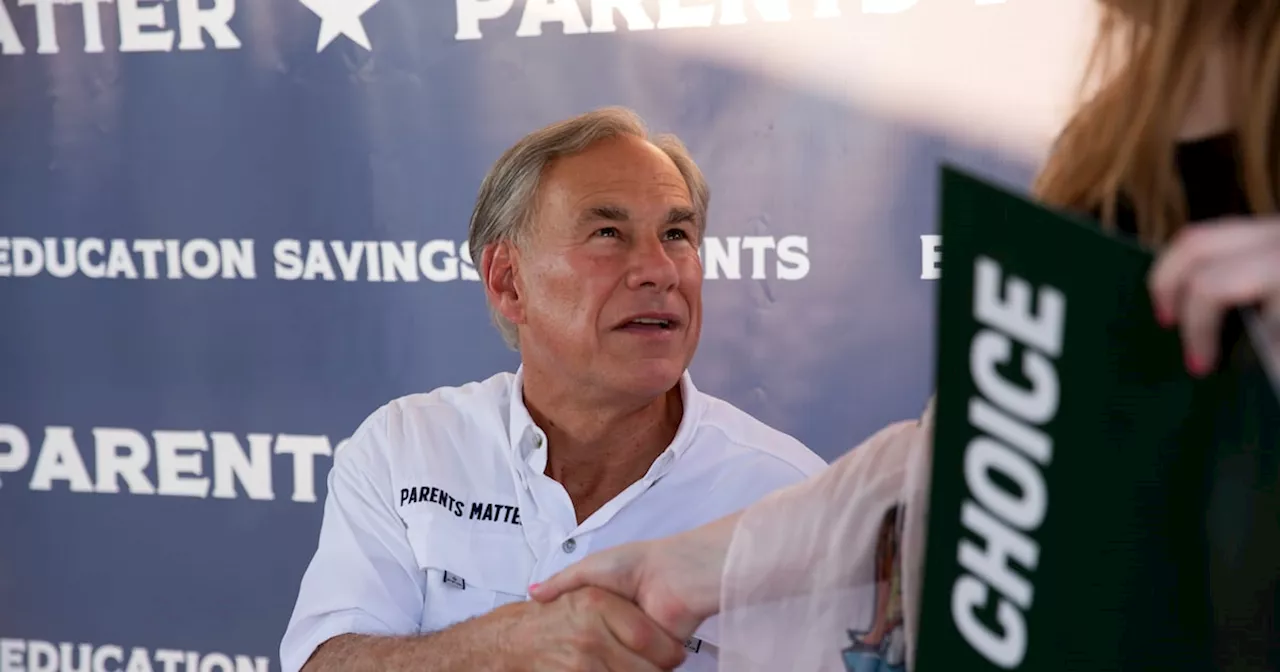
The Texas legislature has expanded access to Education Savings Accounts (ESAs), enabling private schools to receive state funding. Starting from the 2023-2024 school year, families can use these accounts to pay for tuition and related educational expenses at eligible private institutions. This initiative raises important questions about how private schools qualify for these taxpayer-funded vouchers.
To become eligible to accept ESA funds, private schools must meet specific criteria set by the Texas Education Agency (TEA). The requirements include demonstrating compliance with state educational standards and maintaining accreditation through recognized organizations. These steps ensure that the schools provide a quality education to students using state funds.
The ESA program provides families with up to $8,000 per student, allowing them to choose schools that best fit their children’s educational needs. Families looking to enroll their children in private schools can apply for ESA funding, which can cover not only tuition but also additional costs such as textbooks and tutoring services.
The process begins with families submitting an application for ESA funding to the TEA. Once approved, the funds are allocated to the family’s account, which they can then use at approved private schools. Schools interested in participating must register with the TEA and adhere to the established guidelines for funding.
Understanding the Impact on Private Schools
For private schools, the ability to accept ESA funds can significantly impact their enrollment numbers and financial stability. Schools may see an influx of students whose families opt for alternatives to public education. This shift could present opportunities for growth, particularly for institutions that cater to specialized educational needs.
Private schools must also navigate the financial implications of accepting state funding. While ESA funding can enhance a school’s financial resources, it requires adherence to state regulations. Schools may face increased scrutiny regarding their educational practices and accountability measures, which could affect their operational autonomy.
As the program rolls out, various stakeholders have expressed differing views. Proponents argue that ESAs empower families to make educational choices and promote competition among schools, potentially leading to improved educational outcomes. Critics, however, worry about the impact on public school funding and the potential for increased inequality in education access.
In Texas, the debate surrounding educational funding and school choice continues to evolve. The effectiveness of the ESA program will likely be assessed over the coming years, with stakeholders closely monitoring its impact on both private and public educational institutions.
Families and educators are encouraged to stay informed about the eligibility requirements and funding processes, as these factors will play a crucial role in shaping the educational landscape in Texas. As the 2023-2024 school year approaches, the implications of the ESA program will become clearer, influencing choices for thousands of students and their families across the state.

Revolutionary Photonic Ski-Jump Could Miniaturize LiDAR Systems

Couples Detox from Plastics in New Netflix Doc: Can It Boost Fertility?

Aventon Launches Affordable Full-Suspension Electric Mountain Bike

Discover Eight Must-Try Restaurants This Spring Season

UC Irvine Team Unveils Innovative Ion Pump for Water Treatment

One-Third of Americans Trim Daily Expenses for Healthcare Needs

Apple Secures First Oscar in Three Years with F1: The Movie

Fourth Graders Celebrate St. Patrick’s Day with Creative Weather Drawings

Kim Kardashian Dazzles at Vanity Fair Oscars Party 2026

Nostradamus’ 2026 Predictions: Star Death and Dark Events Loom

Breakthroughs and Challenges Await Science in 2026

Electric Moto Influencer Surronster Arrested in Tijuana

OpenAI to Implement Age Verification for ChatGPT by December 2025

Discover the Top 10 Calorie Counting Apps of 2025

Bella Hadid Shares Health Update After Treatment for Lyme Disease

Analysts Project Stronger Growth for Apple’s iPhone 17 Lineup

Japanese Study Finds Rose Oil Can Increase Brain Gray Matter

Top 10 Penny Stocks to Watch in 2026 for Strong Returns
-
 Science4 months ago
Nostradamus’ 2026 Predictions: Star Death and Dark Events Loom
-
 Science4 months ago
Breakthroughs and Challenges Await Science in 2026
-
 Technology7 months ago
Electric Moto Influencer Surronster Arrested in Tijuana
-
 Technology4 months ago
OpenAI to Implement Age Verification for ChatGPT by December 2025
-
 Technology9 months ago
Discover the Top 10 Calorie Counting Apps of 2025
-
 Health7 months ago
Bella Hadid Shares Health Update After Treatment for Lyme Disease
-
 Health7 months ago
Analysts Project Stronger Growth for Apple’s iPhone 17 Lineup
-
 Health7 months ago
Japanese Study Finds Rose Oil Can Increase Brain Gray Matter
-
 Technology4 months ago
Top 10 Penny Stocks to Watch in 2026 for Strong Returns
-

 Science6 months ago
Starship V3 Set for 2026 Launch After Successful Final Test of Version 2
-

 Technology1 month ago
Nvidia GTC 2026: Major Announcements Expected for AI and Hardware
-

 Education7 months ago
Harvard Secures Court Victory Over Federal Funding Cuts