
Education
Mississippi’s Education Transformation: From 49th to Top 10

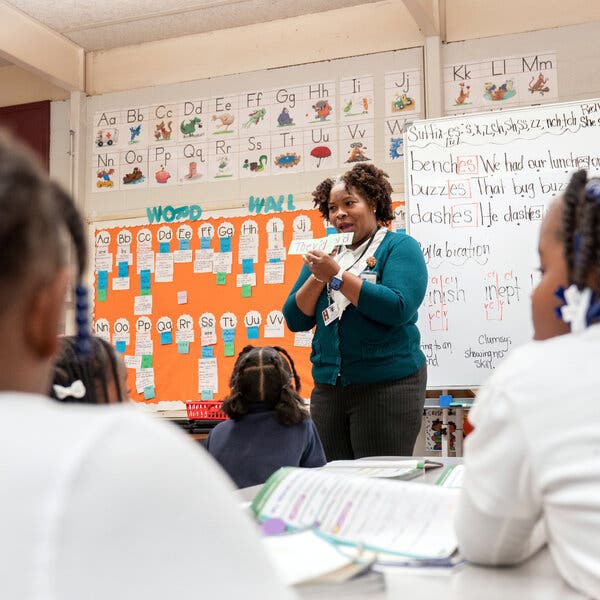
Mississippi has made significant strides in education since 2013, transforming its status from one of the lowest-ranked states to being among the top ten for fourth-grade reading proficiency. Once positioned at 49th in the nation, Mississippi’s progress has drawn attention and admiration, as well as skepticism, as it challenges the prevailing notion that improving education is a daunting task.
The state’s remarkable turnaround is often attributed to its overhaul of reading instruction for young learners. This approach has led to a notable increase in literacy rates among students, making Mississippi one of the best places in the United States for underprivileged children to receive an education. However, the success of this initiative is not solely a result of changes in teaching methods; it also reflects a broader commitment to accountability and support for educators.
Accountability and Support Drive Change
Mississippi’s approach to education includes holding schools accountable for student test scores. This strategy stands in contrast to national trends following the introduction of the No Child Left Behind Act, which faced criticism for its rigid requirements. By emphasizing accountability, Mississippi has encouraged schools to focus on student outcomes, fostering a culture of improvement.
Additionally, the state has increased support for teachers, providing them with the resources and training necessary to implement effective instructional strategies. This dual focus on accountability and support has created an environment conducive to educational improvement, allowing Mississippi to defy expectations.
During a recent visit to the state, observers noted the enthusiasm among educators and students alike. Schools have embraced new methodologies, and there is a palpable sense of optimism about the future of education in Mississippi. Teachers express a renewed passion for their work, supported by a framework that prioritizes student success.
The “Mississippi Miracle” Explained
The term “Mississippi miracle” has emerged to describe this educational transformation, sparking both intrigue and doubt among experts. Some critics argue that the rapid improvement may not be sustainable in the long term, especially given the historical challenges faced by the state’s education system. Yet, the tangible results—such as improved reading scores—suggest that the strategies implemented are yielding positive outcomes.
Mississippi’s journey serves as a case study in what can be achieved when a state takes a proactive role in shaping educational policy. By combining accountability measures with substantial support for teachers, Mississippi has charted a new course for educational success. As the state continues to build on its progress, the implications for other regions grappling with similar challenges are significant.
In summary, Mississippi’s educational turnaround is a multifaceted story of reform that blends innovative teaching practices with a commitment to accountability and support. The state’s experience offers valuable lessons for educators and policymakers nationwide, demonstrating that change is possible even in the most challenging environments.












Revolutionary Photonic Ski-Jump Could Miniaturize LiDAR Systems

Couples Detox from Plastics in New Netflix Doc: Can It Boost Fertility?

Aventon Launches Affordable Full-Suspension Electric Mountain Bike

Discover Eight Must-Try Restaurants This Spring Season

UC Irvine Team Unveils Innovative Ion Pump for Water Treatment

One-Third of Americans Trim Daily Expenses for Healthcare Needs

Apple Secures First Oscar in Three Years with F1: The Movie

Fourth Graders Celebrate St. Patrick’s Day with Creative Weather Drawings

Kim Kardashian Dazzles at Vanity Fair Oscars Party 2026

Nostradamus’ 2026 Predictions: Star Death and Dark Events Loom

Breakthroughs and Challenges Await Science in 2026

Electric Moto Influencer Surronster Arrested in Tijuana

OpenAI to Implement Age Verification for ChatGPT by December 2025

Discover the Top 10 Calorie Counting Apps of 2025

Recovering a Suspended TikTok Account: A Step-by-Step Guide

Bella Hadid Shares Health Update After Treatment for Lyme Disease

Backpack Drives Equip Students with Supplies for New School Year

Analysts Project Stronger Growth for Apple’s iPhone 17 Lineup
-
 Science8 months ago
Nostradamus’ 2026 Predictions: Star Death and Dark Events Loom
-
 Science8 months ago
Breakthroughs and Challenges Await Science in 2026
-
 Technology11 months ago
Electric Moto Influencer Surronster Arrested in Tijuana
-
 Technology9 months ago
OpenAI to Implement Age Verification for ChatGPT by December 2025
-
 Technology1 year ago
Discover the Top 10 Calorie Counting Apps of 2025
-
 Technology1 year ago
Recovering a Suspended TikTok Account: A Step-by-Step Guide
-
 Health11 months ago
Bella Hadid Shares Health Update After Treatment for Lyme Disease
-
 Education1 year ago
Backpack Drives Equip Students with Supplies for New School Year
-
 Health11 months ago
Analysts Project Stronger Growth for Apple’s iPhone 17 Lineup
-

 Health12 months ago
Japanese Study Finds Rose Oil Can Increase Brain Gray Matter
-

 Technology8 months ago
Top 10 Penny Stocks to Watch in 2026 for Strong Returns
-

 Science10 months ago
Starship V3 Set for 2026 Launch After Successful Final Test of Version 2