
Education
Michigan School Districts Excel in College Graduation Rates

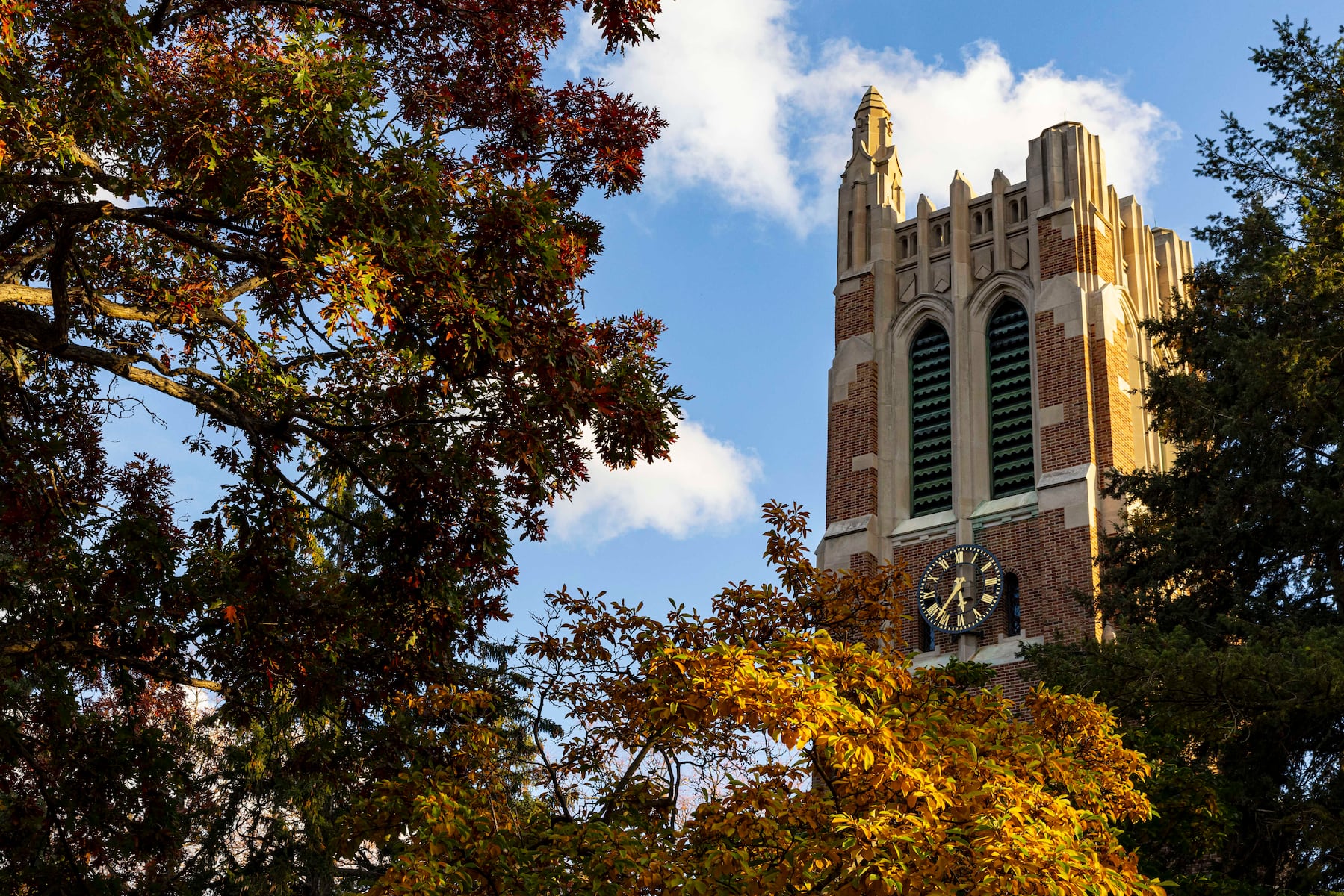
A recent analysis of Michigan’s high school graduation outcomes reveals that nearly one-third of students from the class of 2018 have achieved a four-year college degree by 2024. This figure showcases a significant variation in degree attainment across different school districts, with some demonstrating markedly higher rates of success.
According to the latest state data, two districts—Bloomfield Hills Schools and East Grand Rapids Public Schools—reported over 70% of their 2018 graduates receiving a bachelor’s degree within six years. Specifically, Bloomfield Hills led the state with a remarkable 71.9% of its graduates obtaining a four-year degree, while East Grand Rapids followed closely with 70.2%. Statewide, the overall graduation rate for four-year degrees stands at 31.7%.
The data further indicates that a total of ten additional districts achieved four-year degree rates between 60% and 70%. The success in these districts underscores the correlation between educational attainment and economic prospects. The U.S. Bureau of Labor Statistics reports that in 2024, the median weekly income for high school graduates was $930, compared to $1,543 for those holding a bachelor’s degree. This disparity highlights the importance of higher education in securing better employment opportunities.
Top Performing Districts in Michigan
The top school districts in Michigan that have excelled in college graduation rates are noteworthy not only for their academic achievements but also for their economic environments. Many of these districts rank highly in terms of median family income, which often correlates with educational outcomes.
Northville Public Schools saw 69.6% of its 2018 graduates earn a four-year degree by 2024, with overall degree attainment at 73.4%. Meanwhile, the Novi Community School District reported a four-year graduation rate of 66.9% and a total certificate or degree rate of 68.8% within six years.
Other districts achieving noteworthy success include:
– Saline Area Schools: 65.1% earned a bachelor’s degree, with 69.3% earning any certificate or degree.
– Forest Hills Public Schools: 64.5% earned a bachelor’s degree, with 69.2% earning any certificate or degree.
– Birmingham Public Schools: 64.2% earned a bachelor’s degree, and 66.8% earned any certificate or degree.
Further down the list, the Troy School District reported that 63% of its graduates earned a four-year degree, while 65.9% earned any postsecondary qualification.
Continuing Challenges and Opportunities
Despite the successes of these school districts, the data also highlights areas for improvement. For instance, in many districts, a percentage of graduates had no record of college enrollment. In Bloomfield Hills, 6.1% of students did not enroll in any postsecondary education, a reminder of the ongoing challenges within the educational landscape.
As Michigan continues to emphasize the importance of higher education, the disparities between districts serve as a focal point for policymakers and educators. Efforts to improve college readiness and access can play a crucial role in enhancing future graduation rates and, ultimately, the economic prospects of students across the state.
The evolving educational landscape in Michigan illustrates the vital connection between school performance and student outcomes, reinforcing the necessity for continuous improvement and support for all districts.












Revolutionary Photonic Ski-Jump Could Miniaturize LiDAR Systems

Couples Detox from Plastics in New Netflix Doc: Can It Boost Fertility?

Aventon Launches Affordable Full-Suspension Electric Mountain Bike

Discover Eight Must-Try Restaurants This Spring Season

UC Irvine Team Unveils Innovative Ion Pump for Water Treatment

One-Third of Americans Trim Daily Expenses for Healthcare Needs

Apple Secures First Oscar in Three Years with F1: The Movie

Fourth Graders Celebrate St. Patrick’s Day with Creative Weather Drawings

Kim Kardashian Dazzles at Vanity Fair Oscars Party 2026

Nostradamus’ 2026 Predictions: Star Death and Dark Events Loom

Breakthroughs and Challenges Await Science in 2026

Electric Moto Influencer Surronster Arrested in Tijuana

OpenAI to Implement Age Verification for ChatGPT by December 2025

Discover the Top 10 Calorie Counting Apps of 2025

Recovering a Suspended TikTok Account: A Step-by-Step Guide

Bella Hadid Shares Health Update After Treatment for Lyme Disease

Backpack Drives Equip Students with Supplies for New School Year

Analysts Project Stronger Growth for Apple’s iPhone 17 Lineup
-
 Science7 months ago
Nostradamus’ 2026 Predictions: Star Death and Dark Events Loom
-
 Science7 months ago
Breakthroughs and Challenges Await Science in 2026
-
 Technology11 months ago
Electric Moto Influencer Surronster Arrested in Tijuana
-
 Technology8 months ago
OpenAI to Implement Age Verification for ChatGPT by December 2025
-
 Technology1 year ago
Discover the Top 10 Calorie Counting Apps of 2025
-
 Technology1 year ago
Recovering a Suspended TikTok Account: A Step-by-Step Guide
-
 Health11 months ago
Bella Hadid Shares Health Update After Treatment for Lyme Disease
-
 Education1 year ago
Backpack Drives Equip Students with Supplies for New School Year
-
 Health11 months ago
Analysts Project Stronger Growth for Apple’s iPhone 17 Lineup
-

 Technology8 months ago
Top 10 Penny Stocks to Watch in 2026 for Strong Returns
-

 Health11 months ago
Japanese Study Finds Rose Oil Can Increase Brain Gray Matter
-

 Science10 months ago
Starship V3 Set for 2026 Launch After Successful Final Test of Version 2