
Education
Maine’s School Construction Crisis Demands Urgent Funding Solutions

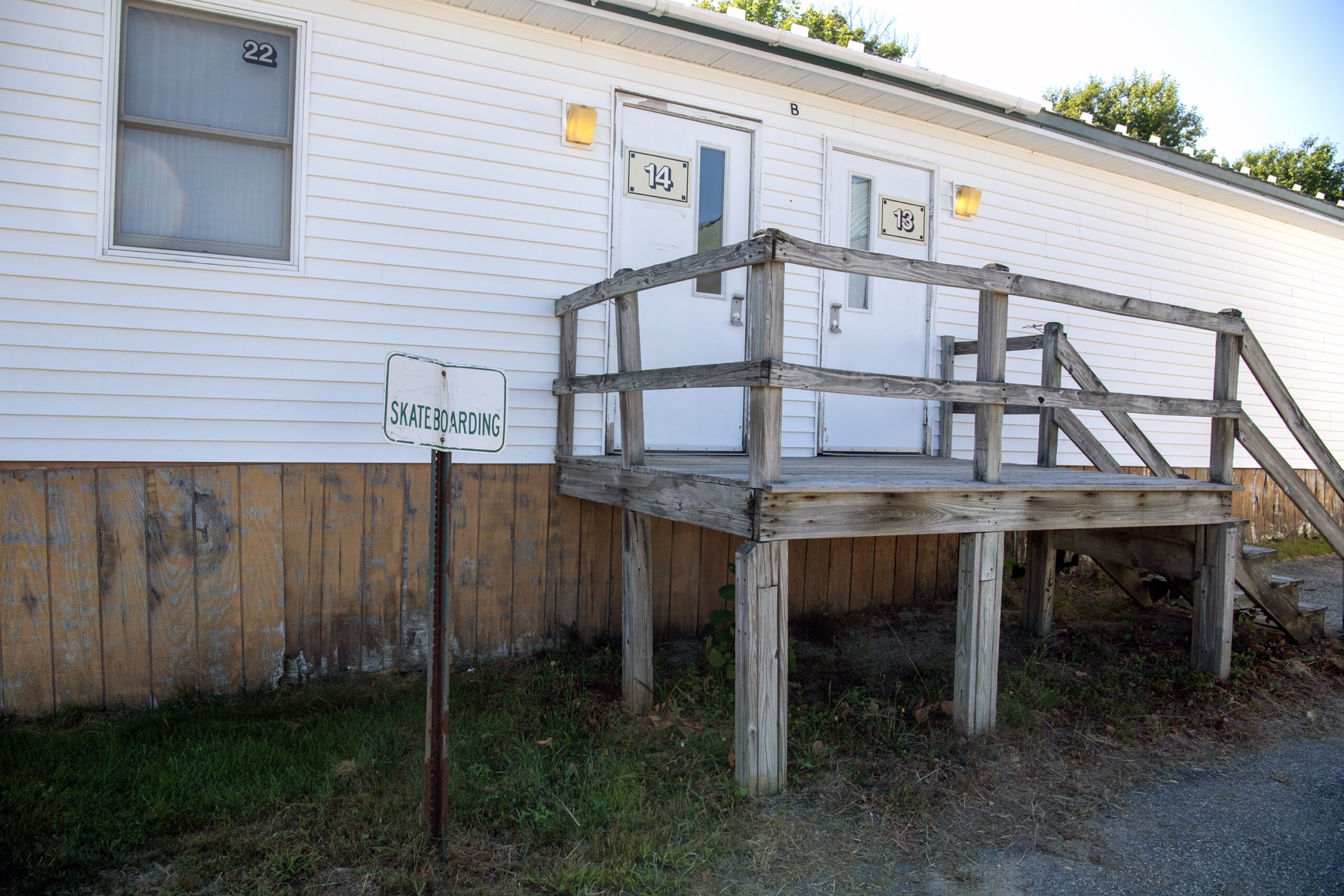
Maine’s education system faces a significant crisis with its school infrastructure, as highlighted by recent reports detailing a severe backlog in necessary construction and repairs. This situation has reached a critical point, with a state commission revealing that 500 out of 600 schools will require replacement by 2045 if current funding levels remain unchanged.
In a state known for its strong bond ratings and fiscal responsibility, the condition of school buildings is alarming. Many facilities are outdated, with some constructed as far back as 1950. For instance, an elementary school in Standish is described as lacking essential safety features, such as sprinklers, and not meeting standards set by the Americans With Disabilities Act. The school’s heating and cooling system is failing, and classrooms are housed in temporary structures long past their intended lifespan.
The financial landscape for school funding in Maine has become increasingly dire. According to the preliminary report from the state commission, the gap between required rebuild projects and available funding continues to widen. As one superintendent noted, “There’s no magic money.” Yet, there are potential revenue sources that could be explored.
A letter to the editor by Jeff Gardner from Cumberland suggested focusing on taxation of second homes as a means to generate additional revenue. Maine’s reputation as a vacation destination offers economic opportunities that could be capitalized upon to support education funding. While there is a reluctance to impose higher taxes, Gardner argues that the current educational costs are unsustainable, especially as K-12 enrollment declines and educational outcomes falter.
Community responses to funding proposals have often been negative, even in more affluent areas. Phrases like “don’t fund failure” resonate with voters who are increasingly skeptical of spending on schools. This trend highlights a growing disconnection between community expectations for educational quality and the necessary financial support to achieve it.
To address these challenges effectively, Maine must reassess its approach to school funding. Innovative fundraising strategies need to be implemented alongside a comprehensive examination of existing costs. Without significant investment, the ongoing deterioration of school facilities will likely continue, leaving students in unsafe and inadequate learning environments.
The urgency of this situation cannot be overstated. Maine must prioritize the education of its children and ensure that safe, functional school buildings are a reality, not just a wish list. With the right funding and community support, Maine can move towards a more sustainable future for its schools.












Revolutionary Photonic Ski-Jump Could Miniaturize LiDAR Systems

Couples Detox from Plastics in New Netflix Doc: Can It Boost Fertility?

Aventon Launches Affordable Full-Suspension Electric Mountain Bike

Discover Eight Must-Try Restaurants This Spring Season

UC Irvine Team Unveils Innovative Ion Pump for Water Treatment

One-Third of Americans Trim Daily Expenses for Healthcare Needs

Apple Secures First Oscar in Three Years with F1: The Movie

Fourth Graders Celebrate St. Patrick’s Day with Creative Weather Drawings

Kim Kardashian Dazzles at Vanity Fair Oscars Party 2026

Nostradamus’ 2026 Predictions: Star Death and Dark Events Loom

Breakthroughs and Challenges Await Science in 2026

Electric Moto Influencer Surronster Arrested in Tijuana

OpenAI to Implement Age Verification for ChatGPT by December 2025

Discover the Top 10 Calorie Counting Apps of 2025

Recovering a Suspended TikTok Account: A Step-by-Step Guide

Bella Hadid Shares Health Update After Treatment for Lyme Disease

Backpack Drives Equip Students with Supplies for New School Year

Analysts Project Stronger Growth for Apple’s iPhone 17 Lineup
-
 Science8 months ago
Nostradamus’ 2026 Predictions: Star Death and Dark Events Loom
-
 Science8 months ago
Breakthroughs and Challenges Await Science in 2026
-
 Technology11 months ago
Electric Moto Influencer Surronster Arrested in Tijuana
-
 Technology9 months ago
OpenAI to Implement Age Verification for ChatGPT by December 2025
-
 Technology1 year ago
Discover the Top 10 Calorie Counting Apps of 2025
-
 Technology1 year ago
Recovering a Suspended TikTok Account: A Step-by-Step Guide
-
 Health11 months ago
Bella Hadid Shares Health Update After Treatment for Lyme Disease
-
 Education1 year ago
Backpack Drives Equip Students with Supplies for New School Year
-
 Health12 months ago
Analysts Project Stronger Growth for Apple’s iPhone 17 Lineup
-

 Health12 months ago
Japanese Study Finds Rose Oil Can Increase Brain Gray Matter
-

 Technology8 months ago
Top 10 Penny Stocks to Watch in 2026 for Strong Returns
-

 Science10 months ago
Starship V3 Set for 2026 Launch After Successful Final Test of Version 2