
Education
Higher Education Faces Serious Challenges Amid Changing Values

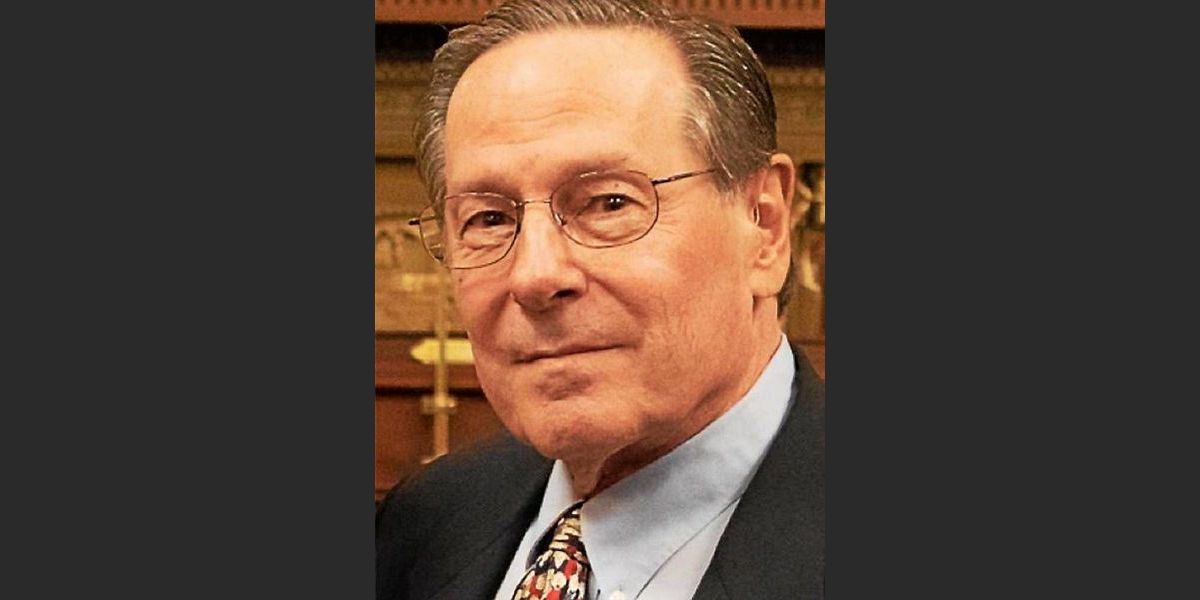
The landscape of higher education in the United States is undergoing significant scrutiny as institutions grapple with a perceived decline in academic integrity and the value of degrees. Critics, including columnist Jerry Shenk, argue that a shift towards ideological homogeneity is undermining the educational experience. This situation is prompting both students and families to reassess the worth of a college education.
According to renowned economist Thomas Sowell, the current state of academia may be a reflection of the high intelligence of its faculty and administration, which he suggests can lead to “monumental disasters.” Shenk highlights how many educators are resisting efforts by the Trump administration to address issues such as anti-Semitism on campuses and to uphold the Supreme Court’s 2023 decision prohibiting racial discrimination in admissions policies. In doing so, these academics often claim that such governmental interventions infringe upon their rights to academic freedom.
The debate surrounding academic freedom and the exposure to diverse viewpoints in classrooms has intensified. Historically, universities thrived on encouraging debate and intellectual diversity. However, many critics assert that contemporary campuses are dominated by left-leaning ideologies, resulting in a suppression of alternative perspectives. This environment has reportedly created fear among students regarding their academic standing if they express dissenting opinions.
A recent survey by the Foundation for Individual Rights and Expression revealed concerning attitudes among students. Over one-third of 68,000 respondents across 257 American colleges indicated that they believe violence is a legitimate means to silence speakers with opposing views. Such findings raise alarms about the implications for free speech and open discourse in educational settings.
The financial ramifications of these issues are profound. With families investing significant resources into higher education, students are accruing substantial debt, estimated at approximately $1.7 trillion in outstanding federal student loans. Many graduates, especially those with degrees in less commercially viable fields such as Gender Studies or Popular Culture, find themselves underemployed or struggling to secure stable careers.
A poll conducted by NBC News highlights a growing skepticism regarding the value of a college degree. Sixty-three percent of registered voters now view a college education as a poor investment, citing the lack of specific job skills upon graduation and the burden of debt as primary concerns. This shift in public sentiment has contributed to declining enrollment figures, with increasing numbers of young people opting for trade schools and careers in high-demand skilled trades.
As the landscape of higher education continues to evolve, institutions face mounting pressure to adapt. The economic realities of rising tuition costs and student debt are prompting families to become more discerning consumers of education. Some universities have already begun to reevaluate their administrative structures and operational costs in response to these changing dynamics.
In this critical juncture for academia, the ability of institutions to reform and innovate will determine their future viability. As Shenk notes, it remains to be seen which universities possess the necessary insight and determination to navigate these challenges and emerge successfully.











Revolutionary Photonic Ski-Jump Could Miniaturize LiDAR Systems

Couples Detox from Plastics in New Netflix Doc: Can It Boost Fertility?

Aventon Launches Affordable Full-Suspension Electric Mountain Bike

Discover Eight Must-Try Restaurants This Spring Season

UC Irvine Team Unveils Innovative Ion Pump for Water Treatment

One-Third of Americans Trim Daily Expenses for Healthcare Needs

Apple Secures First Oscar in Three Years with F1: The Movie

Fourth Graders Celebrate St. Patrick’s Day with Creative Weather Drawings

Kim Kardashian Dazzles at Vanity Fair Oscars Party 2026

Nostradamus’ 2026 Predictions: Star Death and Dark Events Loom

Breakthroughs and Challenges Await Science in 2026

Electric Moto Influencer Surronster Arrested in Tijuana

OpenAI to Implement Age Verification for ChatGPT by December 2025

Discover the Top 10 Calorie Counting Apps of 2025

Recovering a Suspended TikTok Account: A Step-by-Step Guide

Bella Hadid Shares Health Update After Treatment for Lyme Disease

Backpack Drives Equip Students with Supplies for New School Year

Analysts Project Stronger Growth for Apple’s iPhone 17 Lineup
-
 Science8 months ago
Nostradamus’ 2026 Predictions: Star Death and Dark Events Loom
-
 Science8 months ago
Breakthroughs and Challenges Await Science in 2026
-
 Technology11 months ago
Electric Moto Influencer Surronster Arrested in Tijuana
-
 Technology9 months ago
OpenAI to Implement Age Verification for ChatGPT by December 2025
-
 Technology1 year ago
Discover the Top 10 Calorie Counting Apps of 2025
-
 Technology1 year ago
Recovering a Suspended TikTok Account: A Step-by-Step Guide
-
 Health11 months ago
Bella Hadid Shares Health Update After Treatment for Lyme Disease
-
 Education1 year ago
Backpack Drives Equip Students with Supplies for New School Year
-
 Health12 months ago
Analysts Project Stronger Growth for Apple’s iPhone 17 Lineup
-

 Health12 months ago
Japanese Study Finds Rose Oil Can Increase Brain Gray Matter
-

 Technology8 months ago
Top 10 Penny Stocks to Watch in 2026 for Strong Returns
-

 Science10 months ago
Starship V3 Set for 2026 Launch After Successful Final Test of Version 2