
Education
Education Department Cuts $350 Million in Funding for Minority Colleges

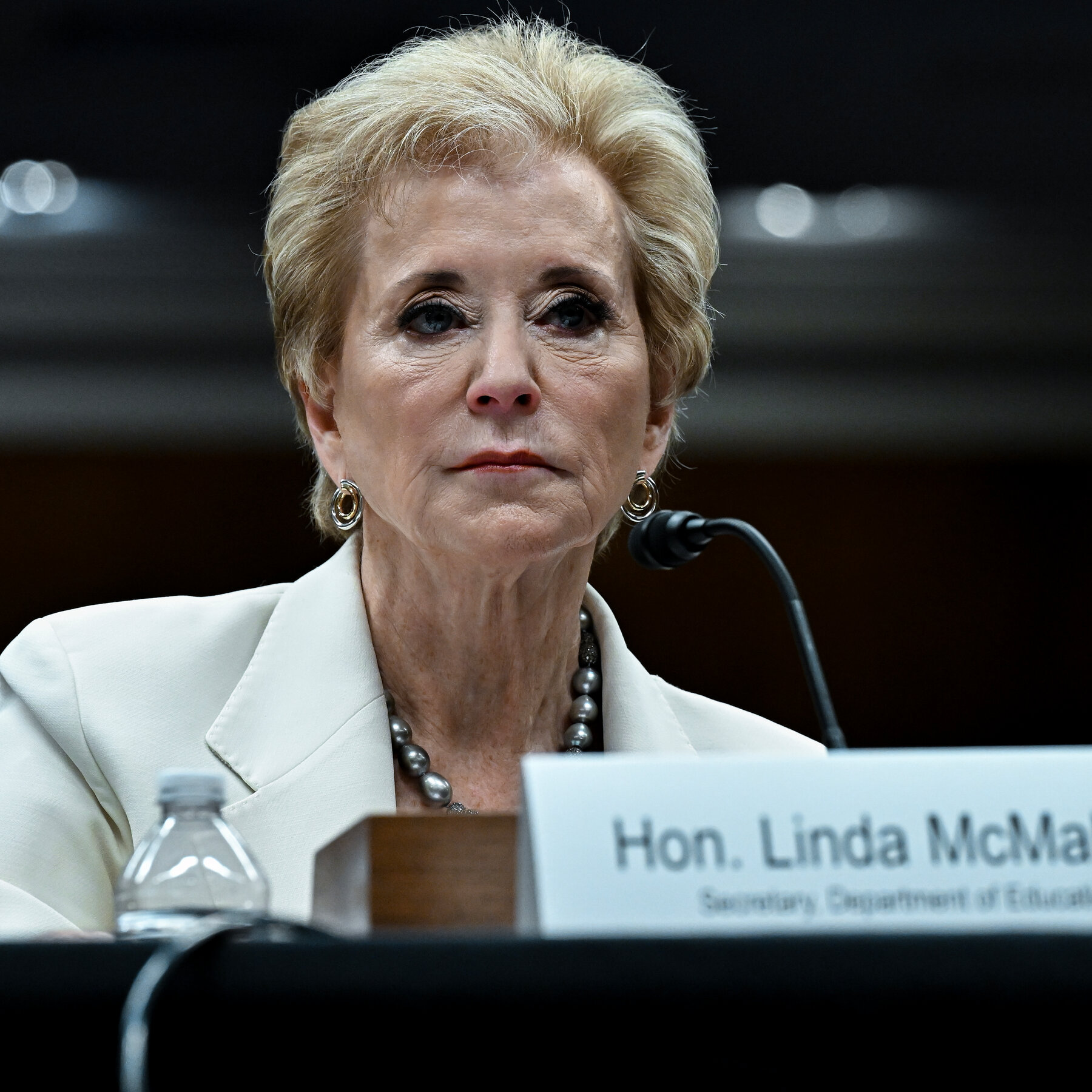
The U.S. Department of Education has announced the termination of grant funding amounting to $350 million that supported programs at minority-serving colleges. Education Secretary Linda McMahon stated that the funding was deemed to unfairly advantage minority students, reflecting a shift in the administration’s approach to education financing.
This decision has sparked considerable debate, particularly among educational leaders and advocates who argue that the funds were crucial for enhancing opportunities for underrepresented groups. Minority-serving institutions (MSIs) play a vital role in providing education to students from diverse backgrounds, and many believe that cutting this funding undermines their efforts.
Implications for Minority-Serving Institutions
The programs funded by these grants were designed to improve academic resources, support services, and infrastructure at institutions serving large populations of minority students. Critics of the funding cut worry that without these resources, colleges may struggle to maintain their educational standards and support systems.
According to the U.S. Department of Education, these changes are part of broader reforms aimed at ensuring equitable distribution of federal resources. However, the implications of this funding cut are significant, especially for institutions that rely heavily on federal support. In 2023, many colleges were already facing challenges due to rising operational costs and increasing student enrollment.
McMahon emphasized that the decision aligns with the administration’s goal to promote fairness in educational opportunities. She stated, “We must ensure that all students receive equal support, regardless of their background.” Yet, the reaction from the education community has been largely negative, with many calling for a reevaluation of this policy.
Community Reactions and Future Concerns
Advocates for minority education have voiced concerns about the long-term effects of these cuts. Groups such as the National Association for Equal Opportunity in Higher Education argue that such reductions will exacerbate existing disparities in access to quality education. The impact on students, particularly those from low-income households, could be profound, limiting their ability to pursue higher education.
While the U.S. Department of Education has indicated that it will redirect funding to programs aimed at broader educational initiatives, the specifics of these programs remain unclear. Many stakeholders are calling for transparency in how funds will be reallocated and what measures will be put in place to support the institutions most affected by these cuts.
As the conversation continues, it is evident that the decision to cut funding for minority-serving colleges represents a critical moment in U.S. education policy. The future of these institutions and their students hangs in the balance, raising essential questions about equity and support in the educational landscape.







Revolutionary Photonic Ski-Jump Could Miniaturize LiDAR Systems

Couples Detox from Plastics in New Netflix Doc: Can It Boost Fertility?

Aventon Launches Affordable Full-Suspension Electric Mountain Bike

Discover Eight Must-Try Restaurants This Spring Season

UC Irvine Team Unveils Innovative Ion Pump for Water Treatment

One-Third of Americans Trim Daily Expenses for Healthcare Needs

Apple Secures First Oscar in Three Years with F1: The Movie

Fourth Graders Celebrate St. Patrick’s Day with Creative Weather Drawings

Kim Kardashian Dazzles at Vanity Fair Oscars Party 2026

Nostradamus’ 2026 Predictions: Star Death and Dark Events Loom

Breakthroughs and Challenges Await Science in 2026

Electric Moto Influencer Surronster Arrested in Tijuana

OpenAI to Implement Age Verification for ChatGPT by December 2025

Discover the Top 10 Calorie Counting Apps of 2025

Recovering a Suspended TikTok Account: A Step-by-Step Guide

Bella Hadid Shares Health Update After Treatment for Lyme Disease

Backpack Drives Equip Students with Supplies for New School Year

Analysts Project Stronger Growth for Apple’s iPhone 17 Lineup
-
 Science8 months ago
Nostradamus’ 2026 Predictions: Star Death and Dark Events Loom
-
 Science8 months ago
Breakthroughs and Challenges Await Science in 2026
-
 Technology11 months ago
Electric Moto Influencer Surronster Arrested in Tijuana
-
 Technology9 months ago
OpenAI to Implement Age Verification for ChatGPT by December 2025
-
 Technology1 year ago
Discover the Top 10 Calorie Counting Apps of 2025
-
 Technology1 year ago
Recovering a Suspended TikTok Account: A Step-by-Step Guide
-
 Health11 months ago
Bella Hadid Shares Health Update After Treatment for Lyme Disease
-
 Education1 year ago
Backpack Drives Equip Students with Supplies for New School Year
-
 Health11 months ago
Analysts Project Stronger Growth for Apple’s iPhone 17 Lineup
-

 Health12 months ago
Japanese Study Finds Rose Oil Can Increase Brain Gray Matter
-

 Technology8 months ago
Top 10 Penny Stocks to Watch in 2026 for Strong Returns
-

 Science10 months ago
Starship V3 Set for 2026 Launch After Successful Final Test of Version 2