
Education
California Moves Toward Phonics-Based Reading Instruction

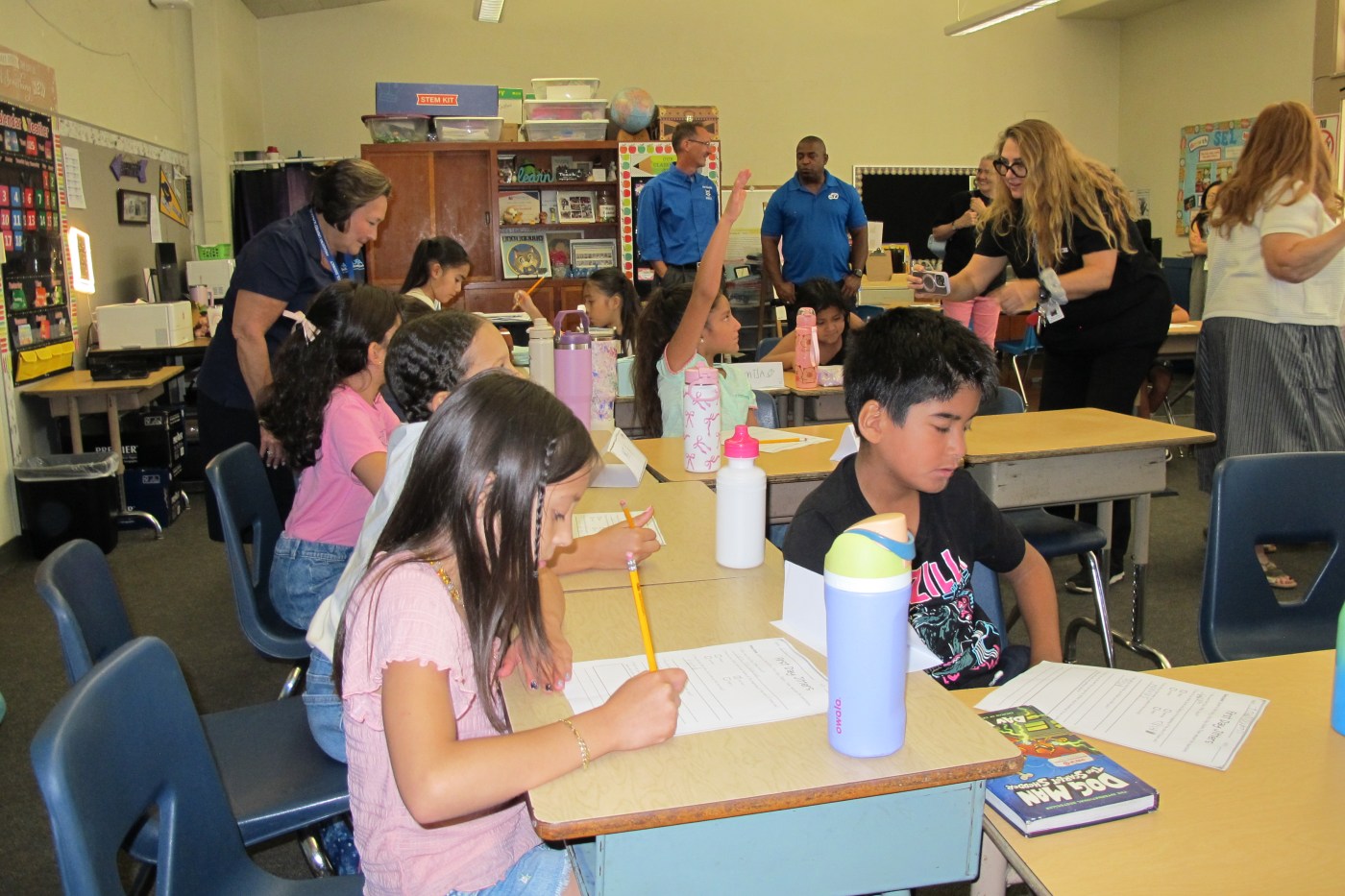
California is on the brink of a significant shift in its approach to teaching reading, as Assembly Bill 1454 advances through the legislative process. This bill, championed by Assembly Speaker Robert Rivas, aims to establish phonics as the primary method for teaching foundational reading skills in schools across the state. Phonics focuses on teaching children to decode words by sounding out letters and syllables, contrasting with the “whole word” approach that has dominated in many classrooms.
Research has indicated that phonics is the most effective method for teaching reading. According to Lance Izumi, senior director of the Center for Education at the Pacific Research Institute, there is overwhelming evidence supporting the phonics-based “science of reading.” He expressed optimism about the bill’s potential to enhance curriculum materials and teacher training, although he cautioned that successful implementation would be critical. Many school districts remain committed to whole-word methods, which have not yielded positive outcomes.
Assembly Bill 1454 stipulates that the California Board of Education must adopt evidence-based strategies for teaching reading. These strategies include explicit instruction in phonological awareness, phonics, print concepts, and word recognition. The bill allows local school districts some flexibility in choosing reading methods, provided they forgo state funding for reading instruction.
The urgency for reform is underscored by recent performance data. Only 47% of students met or exceeded the state reading standard on the 2024 California Smarter Balanced test, a decline from 49.1% in 2019 before the pandemic. This troubling trend has prompted parents to take action, with many seeking alternative programs, such as Hooked on Phonics, to support their children’s reading development.
The bill has garnered widespread support, passing unanimously in the Assembly and receiving approval in the Senate Appropriations Committee. Advocates are now calling for swift passage in the full Senate, followed by a signature from Governor Gavin Newsom. Should the bill become law, it could mark the end of what has been termed the “reading wars” since the 1990s, a contentious debate over the most effective methods for teaching reading.
Izumi urges parents to remain vigilant, advocating for pro-phonics representatives on local school boards and emphasizing the importance of the science of reading in classrooms. He highlights that literacy is essential not only for individual success but also for fostering critical thinking skills within the larger community.
As California moves closer to adopting a phonics-based reading curriculum, the implications extend beyond education. The ability to read effectively is fundamental to personal and societal growth. The state faces a pressing need for improved literacy to enhance critical thinking and problem-solving skills among its residents.










Revolutionary Photonic Ski-Jump Could Miniaturize LiDAR Systems

Couples Detox from Plastics in New Netflix Doc: Can It Boost Fertility?

Aventon Launches Affordable Full-Suspension Electric Mountain Bike

Discover Eight Must-Try Restaurants This Spring Season

UC Irvine Team Unveils Innovative Ion Pump for Water Treatment

One-Third of Americans Trim Daily Expenses for Healthcare Needs

Apple Secures First Oscar in Three Years with F1: The Movie

Fourth Graders Celebrate St. Patrick’s Day with Creative Weather Drawings

Kim Kardashian Dazzles at Vanity Fair Oscars Party 2026

Nostradamus’ 2026 Predictions: Star Death and Dark Events Loom

Breakthroughs and Challenges Await Science in 2026

Electric Moto Influencer Surronster Arrested in Tijuana

OpenAI to Implement Age Verification for ChatGPT by December 2025

Discover the Top 10 Calorie Counting Apps of 2025

Recovering a Suspended TikTok Account: A Step-by-Step Guide

Bella Hadid Shares Health Update After Treatment for Lyme Disease

Backpack Drives Equip Students with Supplies for New School Year

Analysts Project Stronger Growth for Apple’s iPhone 17 Lineup
-
 Science8 months ago
Nostradamus’ 2026 Predictions: Star Death and Dark Events Loom
-
 Science8 months ago
Breakthroughs and Challenges Await Science in 2026
-
 Technology11 months ago
Electric Moto Influencer Surronster Arrested in Tijuana
-
 Technology9 months ago
OpenAI to Implement Age Verification for ChatGPT by December 2025
-
 Technology1 year ago
Discover the Top 10 Calorie Counting Apps of 2025
-
 Technology1 year ago
Recovering a Suspended TikTok Account: A Step-by-Step Guide
-
 Health11 months ago
Bella Hadid Shares Health Update After Treatment for Lyme Disease
-
 Education1 year ago
Backpack Drives Equip Students with Supplies for New School Year
-
 Health11 months ago
Analysts Project Stronger Growth for Apple’s iPhone 17 Lineup
-

 Health12 months ago
Japanese Study Finds Rose Oil Can Increase Brain Gray Matter
-

 Technology8 months ago
Top 10 Penny Stocks to Watch in 2026 for Strong Returns
-

 Science10 months ago
Starship V3 Set for 2026 Launch After Successful Final Test of Version 2