
Top Stories
Mixing Tire Brands: Safety Risks and Best Practices Explained

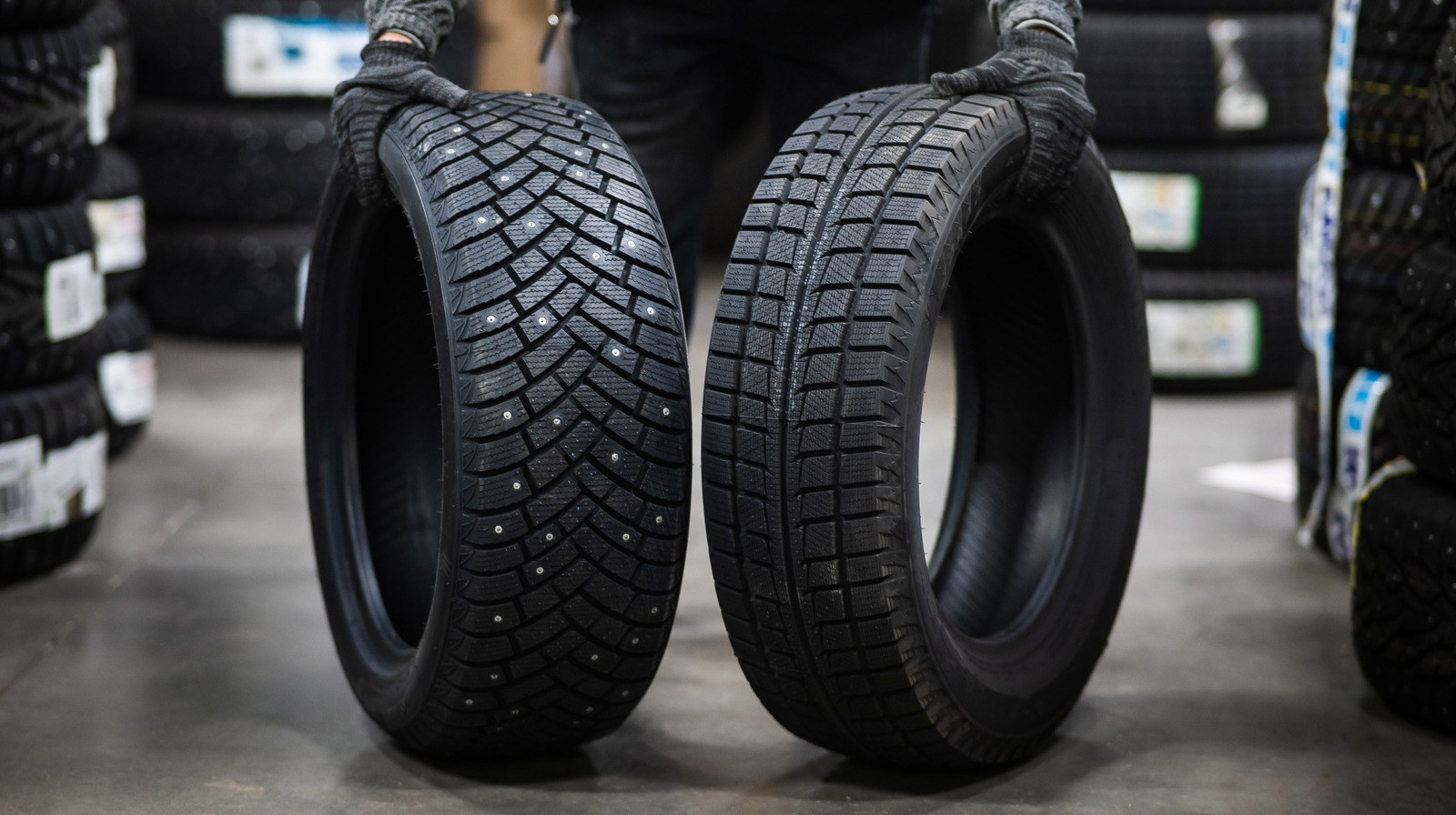
Car tires serve as the critical connection between a vehicle and the road, making their selection vital for safety and performance. With numerous brands available, many car owners wonder about the implications of using different tire brands on the same vehicle. Leading manufacturers, including Michelin and Continental, advise against mixing tire brands due to potential safety concerns and compromised handling.
Using four tires from the same brand ensures that the vehicle responds uniformly to road conditions, enhancing control, especially in adverse weather. However, in situations where mixing brands is unavoidable, both Michelin and Continental recommend fitting matching tires to the rear axle. This strategy aims to maintain stability, as the rear tires play a crucial role in overall vehicle handling.
Understanding Tire Compatibility
While it is preferable to have all four tires from the same manufacturer, other factors are equally important. Tire type, size, load index, and speed rating greatly influence performance and safety. Replacing a single tire is generally discouraged, as it can lead to uneven traction, premature wear on suspension components, and potential transmission issues. This is particularly relevant for vehicles with all-wheel drive (AWD), where matching tires on all axles is essential for optimal performance.
When mixing tire brands, it is critical that tires on the same axle share similar tread depths and designs. For instance, having two different tires on the front axle can lead to inconsistent steering and grip, akin to wearing mismatched shoes. This can pose a serious risk when maneuvering, especially in high-speed situations.
If replacing only two tires, experts recommend that the new tires have comparable performance characteristics. Models like the Pirelli P Zero Run Flats and Goodyear Eagle F1 Asymmetric 6, both with a tread depth of 8/32″, exemplify suitable options, though it is important to verify that all tires have similar tread depths, ideally within 2/32″ of each other.
Key Considerations When Mixing Tires
Certain combinations of tires should be strictly avoided. Mixing different tire sizes on the same axle, running flat and standard tires together, or combining radial and non-radial tires can lead to serious safety risks. For example, run-flat tires possess reinforced sidewalls, making them stiffer than standard tires, which can result in uneven wear when paired with non-run-flats.
Different tire constructions also introduce challenges. Radial tires, which feature cords running perpendicular to the tread, behave differently from non-radial (bias-ply) tires, which have cords at a diagonal angle. When these two types are used together, they may provide differing traction characteristics, potentially resulting in loss of control.
Additionally, while all-season tires are designed for a range of conditions, mixing summer and winter tires can severely affect handling and traction. In regions like Colorado, driving with summer tires during winter traction laws can lead to fines, further emphasizing the importance of appropriate tire selection.
For optimal performance, regular tire rotation at recommended mileage intervals is essential. This practice helps balance tread wear and can mitigate the effects of having tires with differing tread depths.
Understanding the implications of mixing tire brands and types is crucial for any vehicle owner. Prioritizing safety by adhering to manufacturer guidelines can significantly enhance driving stability and reduce the risk of accidents.








New Research Reveals Thickness of Europa’s Ice Shell, Impacts Habitability

EU Regulators Reject Lilly’s Mounjaro for Heart Failure Treatment

Charter’s Stock Surges as Video Subscribers Increase and Losses Decline

Texas A&M Hosts Largest Open House, Aggieland Saturday, in 2026

Community Mourns the Loss of Douglas James Hamilton at 59

Innovative Tesla Turbine-Inspired Design Harnesses Compressed Air Energy

Machine Learning Reveals Insights into Schizophrenia’s Brain Patterns

Global Humanoid Robot Installations Surge to 16,000 Units in 2025

Flagstaff’s FACTS Program Bridges Early Child Care Gaps

Nostradamus’ 2026 Predictions: Star Death and Dark Events Loom

OpenAI to Implement Age Verification for ChatGPT by December 2025

Discover the Top 10 Calorie Counting Apps of 2025

Bella Hadid Shares Health Update After Treatment for Lyme Disease

Analysts Project Stronger Growth for Apple’s iPhone 17 Lineup

Electric Moto Influencer Surronster Arrested in Tijuana

Harvard Secures Court Victory Over Federal Funding Cuts

Erin Bates Shares Recovery Update Following Sepsis Complications

Discover How to Reverse Image Search Using ChatGPT Effortlessly
-
 Science1 month ago
Nostradamus’ 2026 Predictions: Star Death and Dark Events Loom
-
 Technology2 months ago
OpenAI to Implement Age Verification for ChatGPT by December 2025
-
 Technology6 months ago
Discover the Top 10 Calorie Counting Apps of 2025
-
 Health4 months ago
Bella Hadid Shares Health Update After Treatment for Lyme Disease
-
 Health5 months ago
Analysts Project Stronger Growth for Apple’s iPhone 17 Lineup
-
 Technology4 months ago
Electric Moto Influencer Surronster Arrested in Tijuana
-
 Education5 months ago
Harvard Secures Court Victory Over Federal Funding Cuts
-
 Health5 months ago
Erin Bates Shares Recovery Update Following Sepsis Complications
-
 Technology6 months ago
Discover How to Reverse Image Search Using ChatGPT Effortlessly
-

 Technology7 months ago
Meta Initiates $60B AI Data Center Expansion, Starting in Ohio
-

 Technology7 months ago
Recovering a Suspended TikTok Account: A Step-by-Step Guide
-

 Science3 months ago
Starship V3 Set for 2026 Launch After Successful Final Test of Version 2