
Technology
Innovative Device Promises Needle-Free Glucose Monitoring

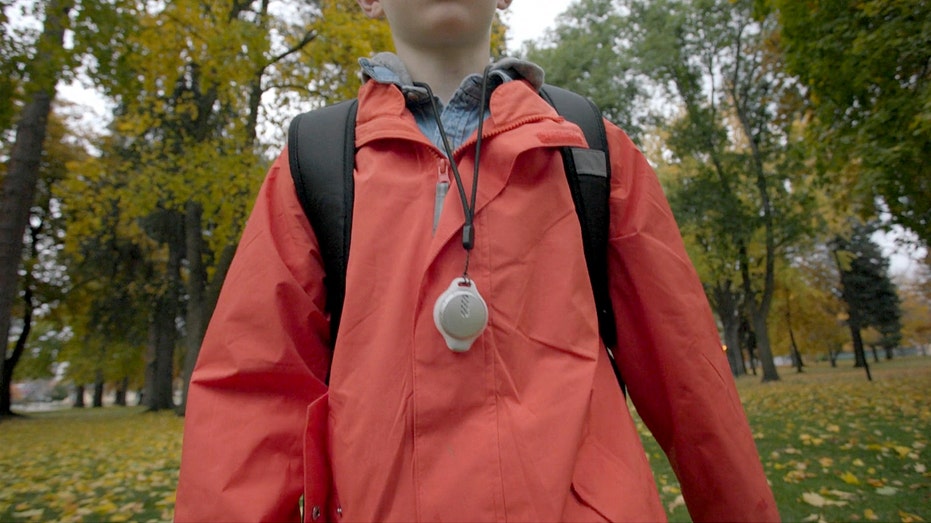
In a significant advancement for diabetes management, a new device named isaac promises to monitor blood glucose levels without the need for needles or skin sensors. Developed by PreEvnt, this innovative breath-based device aims to provide users with real-time glucose level alerts, addressing a longstanding challenge in health technology.
The Need for Non-Invasive Monitoring
For individuals with diabetes, managing blood sugar levels is crucial, yet traditional monitoring methods can be uncomfortable and invasive. Finger pricks are painful, and traditional continuous glucose monitors require devices to be implanted under the skin. This daily burden can be overwhelming for many patients, particularly young children and older adults. The advent of a device like isaac could ease some of this discomfort.
As people without diabetes also begin to monitor their glucose levels—often due to the rising popularity of GLP-1 medications—the demand for simpler and less invasive tools has surged. Notably, tech giants like Apple have invested heavily in developing needle-free glucose tracking for wearables, but such features have yet to materialize.
How the isaac Device Works
Unveiled at CES 2026, isaac distinguishes itself by analyzing acetone and other volatile organic compounds present in exhaled breath, which correlate with blood sugar levels. Acetone, in particular, is known for its fruity scent and has been linked to elevated glucose levels.
The small device, roughly the size of a quarter, is designed to be worn on a lanyard or clipped to clothing. It aims to significantly reduce the frequency of painful finger prick tests while providing early warnings about potential glucose fluctuations. Its inventor, Bud Wilcox, sought to alleviate the discomfort faced by his grandson, who was diagnosed with type 1 diabetes at just two years old. This personal motivation spurred extensive collaboration with scientists and engineers, including research conducted at Indiana University under the guidance of Dr. M. Agarwal.
Features and Functionality
isaac integrates seamlessly into users’ daily routines. To obtain a reading, users simply breathe into the device, which then processes the information and transmits it to a companion smartphone app. This app, still in development, will focus on safety and awareness, featuring a meal logging timeline, a history of breath readings, and alerts that can notify emergency contacts in critical situations.
Recognizing the dangers of hypoglycemia, where individuals may become disoriented or incapacitated, the device’s early alerts are intended to provide caregivers and family members with timely information to intervene when necessary. A single charge lasts throughout the day and supports multiple breath tests, with the device featuring a USB-C charging cradle.
Target Audience and Future Prospects
isaac is being designed for a range of users, including those with type 1 and type 2 diabetes, as well as prediabetics. Given the growing interest in metabolic health, it may also appeal to individuals monitoring their glucose levels for wellness purposes. While the device is still undergoing final development and regulatory review by the U.S. Food and Drug Administration, its companion app is set to launch on both iOS and Android platforms closer to its market availability.
Initially introduced at CES 2025, isaac entered human clinical trials later that year. These trials compare its breath-based alerts with traditional blood glucose monitoring methods, starting with adolescents diagnosed with type 1 diabetes and expanding to adults with type 2 diabetes. The company is now pursuing a de novo pathway with regulatory bodies, allowing for the evaluation of this novel technology while establishing standards.
While isaac does not aim to replace traditional medical-grade glucose meters, it is designed to complement existing monitoring methods by offering timely breath-based alerts. If clinical trials yield positive results and regulatory approval is granted, this small, innovative device could transform the lives of those managing diabetes.
The promise of non-invasive glucose monitoring, long anticipated in the healthcare landscape, may soon become a reality. For families grappling with diabetes, the ability to monitor glucose levels through breath could significantly enhance daily life, making it easier and safer.













Revolutionary Photonic Ski-Jump Could Miniaturize LiDAR Systems

Couples Detox from Plastics in New Netflix Doc: Can It Boost Fertility?

Aventon Launches Affordable Full-Suspension Electric Mountain Bike

Discover Eight Must-Try Restaurants This Spring Season

UC Irvine Team Unveils Innovative Ion Pump for Water Treatment

One-Third of Americans Trim Daily Expenses for Healthcare Needs

Apple Secures First Oscar in Three Years with F1: The Movie

Fourth Graders Celebrate St. Patrick’s Day with Creative Weather Drawings

Kim Kardashian Dazzles at Vanity Fair Oscars Party 2026

Nostradamus’ 2026 Predictions: Star Death and Dark Events Loom

Breakthroughs and Challenges Await Science in 2026

Electric Moto Influencer Surronster Arrested in Tijuana

OpenAI to Implement Age Verification for ChatGPT by December 2025

Discover the Top 10 Calorie Counting Apps of 2025

Bella Hadid Shares Health Update After Treatment for Lyme Disease

Analysts Project Stronger Growth for Apple’s iPhone 17 Lineup

Japanese Study Finds Rose Oil Can Increase Brain Gray Matter

Top 10 Penny Stocks to Watch in 2026 for Strong Returns
-
 Science3 months ago
Nostradamus’ 2026 Predictions: Star Death and Dark Events Loom
-
 Science3 months ago
Breakthroughs and Challenges Await Science in 2026
-
 Technology7 months ago
Electric Moto Influencer Surronster Arrested in Tijuana
-
 Technology4 months ago
OpenAI to Implement Age Verification for ChatGPT by December 2025
-
 Technology9 months ago
Discover the Top 10 Calorie Counting Apps of 2025
-
 Health7 months ago
Bella Hadid Shares Health Update After Treatment for Lyme Disease
-
 Health7 months ago
Analysts Project Stronger Growth for Apple’s iPhone 17 Lineup
-
 Health7 months ago
Japanese Study Finds Rose Oil Can Increase Brain Gray Matter
-
 Technology4 months ago
Top 10 Penny Stocks to Watch in 2026 for Strong Returns
-

 Science6 months ago
Starship V3 Set for 2026 Launch After Successful Final Test of Version 2
-

 Technology1 month ago
Nvidia GTC 2026: Major Announcements Expected for AI and Hardware
-

 Education7 months ago
Harvard Secures Court Victory Over Federal Funding Cuts