
Science
Unusual Snowstorm Disrupts Operations at ALMA Telescope Site

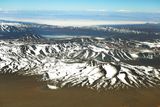
A rare snowfall has forced the Atacama Large Millimeter/submillimeter Array (ALMA) observatory in the Atacama Desert of Northern Chile to temporarily halt operations. The unexpected snowstorm, which occurred in late June and early July 2025, prompted the observatory to activate its emergency “survival mode” to protect its sensitive equipment.
The Atacama Desert is renowned for its dry climate, being one of the most arid regions on Earth. It has an average annual rainfall of just 0.5 millimeters in some areas. This unique environment has made it an ideal location for astronomical observations, hosting advanced telescopes like ALMA, which consists of 66 antenna dishes. These dishes are designed to capture faint energy signals from distant galaxies and other celestial phenomena.
Impact of the Snowstorm on ALMA Operations
The snowstorm affected ALMA’s ability to conduct observations, as the research team had to reposition the dishes to prevent snow accumulation. Thankfully, the localized nature of the storm meant that other telescopes in the region, such as the Southern Astrophysical Research (SOAR) Telescope and the Vera C. Rubin Observatory, remained operational.
The Atacama’s intense solar radiation typically aids in the rapid melting of snow. In this instance, the snowfall was mostly gone within a month. However, some of the snow may have undergone sublimation, a process where solid ice converts directly into vapor due to the strong sunlight and extremely dry conditions, as noted by NASA Earth Observatory.
Changing Climate Patterns in the Atacama
The Atacama Desert has experienced sporadic snowfall in recent years, raising questions about shifting climate patterns. Notably, the region went without rain from October 1903 until January 1918, but snow has been recorded in 2011, 2013, and 2021. These changes indicate a potential transformation in the desert’s long-standing dry climate.
Despite its harsh environment, the Atacama harbors resilient microorganisms and plant life beneath the surface. In recent years, unseasonal rain has led to unexpected blooms of desert flowers, showcasing the delicate balance of life in this extreme setting. Yet, with changing weather patterns come dangers. In March 2015, heavy rains triggered devastating floods that resulted in the deaths of 31 people in the coastal city of Chañaral. The Salado River reached a maximum depth of approximately 14.76 feet (4.5 meters), causing significant damage to infrastructure.
As climate change continues to influence weather patterns worldwide, the implications for ALMA and similar facilities in the Atacama Desert may become more pronounced. Increasing instances of snowfall could pose future challenges for astronomers relying on these critical observatories for groundbreaking research.
In conclusion, while the recent snowstorm has temporarily disrupted operations at ALMA, it also highlights the ongoing changes in the Atacama Desert’s climate. As researchers continue to study these phenomena, the importance of understanding and adapting to these shifts becomes ever more vital for the scientific community.








Ohio School District Aims to Exit Academic Distress Status

James Webb Space Telescope Unveils Earliest Galaxy Cluster Yet

Black Men Confront Prostate Cancer: Jerry McCormick’s Journey

OpenMind Unveils Innovative App Store for Robot Software

UGA Hosts Renowned Nobel and Pulitzer Winners for Spring Lectures

Scotland’s 13 Michelin Star Restaurants Gear Up for 2026 Guide

International Team Discovers New Dinosaur Foskeia pelendonum in Spain

Nebraska’s Miracle Quads Celebrate 18 Years of Joy

Stanford Daily Launches Volume 269 with New Editorial Team

Nostradamus’ 2026 Predictions: Star Death and Dark Events Loom

OpenAI to Implement Age Verification for ChatGPT by December 2025

Discover the Top 10 Calorie Counting Apps of 2025

Bella Hadid Shares Health Update After Treatment for Lyme Disease

Analysts Project Stronger Growth for Apple’s iPhone 17 Lineup

Electric Moto Influencer Surronster Arrested in Tijuana

Harvard Secures Court Victory Over Federal Funding Cuts

Erin Bates Shares Recovery Update Following Sepsis Complications

Meta Initiates $60B AI Data Center Expansion, Starting in Ohio
-
 Science1 month ago
Nostradamus’ 2026 Predictions: Star Death and Dark Events Loom
-
 Technology2 months ago
OpenAI to Implement Age Verification for ChatGPT by December 2025
-
 Technology7 months ago
Discover the Top 10 Calorie Counting Apps of 2025
-
 Health5 months ago
Bella Hadid Shares Health Update After Treatment for Lyme Disease
-
 Health5 months ago
Analysts Project Stronger Growth for Apple’s iPhone 17 Lineup
-
 Technology5 months ago
Electric Moto Influencer Surronster Arrested in Tijuana
-
 Education5 months ago
Harvard Secures Court Victory Over Federal Funding Cuts
-
 Health5 months ago
Erin Bates Shares Recovery Update Following Sepsis Complications
-
 Technology7 months ago
Meta Initiates $60B AI Data Center Expansion, Starting in Ohio
-

 Technology6 months ago
Discover How to Reverse Image Search Using ChatGPT Effortlessly
-

 Science4 months ago
Starship V3 Set for 2026 Launch After Successful Final Test of Version 2
-

 Technology7 months ago
Recovering a Suspended TikTok Account: A Step-by-Step Guide