
Science
Researchers Uncover Evidence of Neanderthals Making Fire 400,000 Years Ago

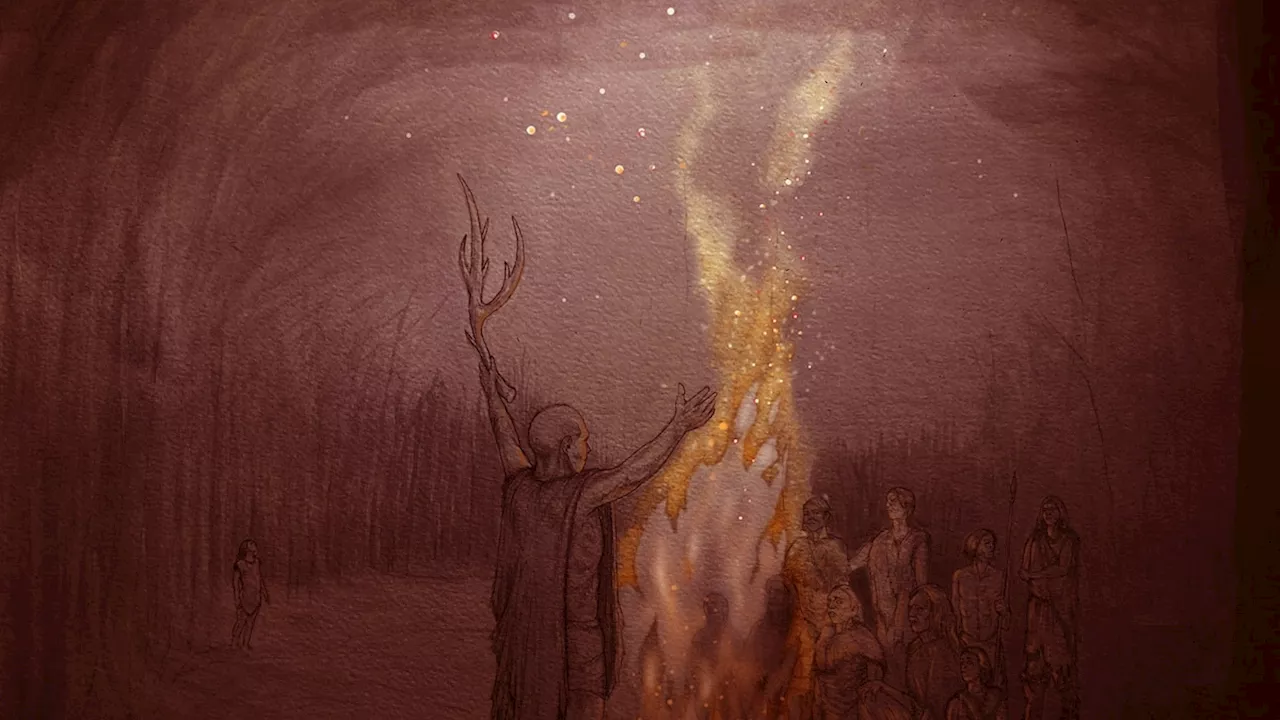
A groundbreaking study suggests that Neanderthals may have been making fire intentionally as far back as 400,000 years ago. This finding, based on archaeological evidence from a site called East Farm in Barnham, Suffolk, pushes back the timeline for the advent of fire-making by over a quarter of a million years. The research team, led by experts from the British Museum, uncovered a combination of materials, including reddened silt, heat-distorted flint handaxes, and fragments of iron pyrite, which are believed to have been used for igniting fires.
Recent excavations at East Farm have yielded significant findings, including the presence of iron pyrite—often referred to as “fool’s gold” due to its shiny appearance. According to archaeologist Jordan Mansfield, “In over 36 years of field work and geological studies in the area, we’ve never found pyrite before. And now, the only time we find it is alongside heat-shattered handaxes and baked sediments.” These discoveries raise the possibility that early humans had the knowledge and ability to start fires deliberately.
Identifying whether early humans lit fires intentionally is challenging. Archaeological traces of natural and human-made fires can look remarkably similar. However, the evidence from East Farm indicates a different story. If confirmed, these findings would shift the understanding of fire-making back by more than 350,000 years and support the theory that Neanderthals had mastered fire independently of early modern humans.
The East Farm site, located approximately 70 miles northeast of London, has a long history of archaeological interest. First discovered over a century ago, the site has undergone extensive excavations since 2013. Earlier digs revealed stone tools dating to the Lower Paleolithic period, suggesting that early human ancestors inhabited the region when a land bridge connected Britain to the European continent.
While several prehistoric sites indicate that early hominins used fire, distinguishing between deliberately made fires and those resulting from natural wildfires remains difficult. The East Farm excavations are notable for their identification of iron pyrite fragments that imply the presence of a fire-making kit. Ashton, an expert on prehistoric fire at Leiden University, notes that “the observed changes in the geomagnetism of sediments around the hearth suggest fire was repeatedly made there,” along with indications that the sediments were heated to temperatures exceeding 1,300 degrees Fahrenheit.
The research also discovered traces of chemicals known as polycyclic aromatic hydrocarbons, which typically form from burning wood. As Ashton explains, “All these things contribute to our understanding that this was not a natural fire.” This multifaceted approach, combining various types of evidence, strengthens the argument for the intentional use of fire by Neanderthals.
Fire-making is recognized as a critical turning point in human history, influencing numerous aspects of life. He, a British Museum archaeologist, emphasizes that the ability to create fire would have had a profound impact on evolutionary trends, including biological and social evolution. Fire provided protection from predators, facilitated cooking, and enabled early humans to thrive in colder environments.
Despite the compelling nature of the findings, skepticism remains within the scientific community. Sandgathe, a researcher not involved in the study, acknowledges the significance of the East Farm evidence but expresses caution, stating, “The authors did an excellent job with their analysis… but they seem to be stretching the evidence.” He hopes future studies can confirm these findings while noting that current evidence suggests fire-making would have been rare during this period.
As the research continues, the implications of these discoveries could reshape the understanding of Neanderthal behavior and their relationship with fire. The study’s findings were published in the journal Nature, marking a significant contribution to the ongoing exploration of early human capabilities and the mastery of fire.












Medicare Coverage of Ozempic to Revolutionize Weight Loss Options

OpenClaw Launches New Social Network for AI Assistants

Mayor Mamdani Promotes 50,000 Preschool Applications in NYC

Renovations Begin at Grotto of the Nativity in Bethlehem

Cross-Continental AI Framework Accelerates Drug Discovery

Flu Activity Resurges in the US as Infections Rise Among Children

Arkansas Waives Late Fees for Vehicle Registrations Until Year-End

Carroll Veterans Center Secures $1M in Federal Funding

Local Imagination Library Boosts Early Literacy with Community Support

Nostradamus’ 2026 Predictions: Star Death and Dark Events Loom

OpenAI to Implement Age Verification for ChatGPT by December 2025

Discover the Top 10 Calorie Counting Apps of 2025

Bella Hadid Shares Health Update After Treatment for Lyme Disease

Analysts Project Stronger Growth for Apple’s iPhone 17 Lineup

Electric Moto Influencer Surronster Arrested in Tijuana

Harvard Secures Court Victory Over Federal Funding Cuts

Erin Bates Shares Recovery Update Following Sepsis Complications

Discover How to Reverse Image Search Using ChatGPT Effortlessly
-
 Science1 month ago
Nostradamus’ 2026 Predictions: Star Death and Dark Events Loom
-
 Technology2 months ago
OpenAI to Implement Age Verification for ChatGPT by December 2025
-
 Technology6 months ago
Discover the Top 10 Calorie Counting Apps of 2025
-
 Health4 months ago
Bella Hadid Shares Health Update After Treatment for Lyme Disease
-
 Health5 months ago
Analysts Project Stronger Growth for Apple’s iPhone 17 Lineup
-
 Technology4 months ago
Electric Moto Influencer Surronster Arrested in Tijuana
-
 Education5 months ago
Harvard Secures Court Victory Over Federal Funding Cuts
-
 Health5 months ago
Erin Bates Shares Recovery Update Following Sepsis Complications
-
 Technology6 months ago
Discover How to Reverse Image Search Using ChatGPT Effortlessly
-

 Technology7 months ago
Meta Initiates $60B AI Data Center Expansion, Starting in Ohio
-

 Technology7 months ago
Recovering a Suspended TikTok Account: A Step-by-Step Guide
-

 Science3 months ago
Starship V3 Set for 2026 Launch After Successful Final Test of Version 2