
Lifestyle
Embracing Gratitude: A Strategy for Community Renewal

As the holiday season approaches, many are reflecting on the importance of gratitude, not merely as a fleeting sentiment but as a strategic approach to fostering community and connection. In a world overwhelmed by information and often marked by division, embracing gratitude can serve as an essential tool for building relationships and enhancing civic life.
The Foundation of Gratitude
Gratitude is often dismissed as a mere decoration, a soft emotion reserved for holiday cards and speeches. However, it is much more than that. According to Kyle Ogden, president and CEO of the Thanks-Giving Foundation in Dallas, gratitude is foundational. It shapes our perspectives, influences our interactions, and ultimately determines how we lead and engage with our communities.
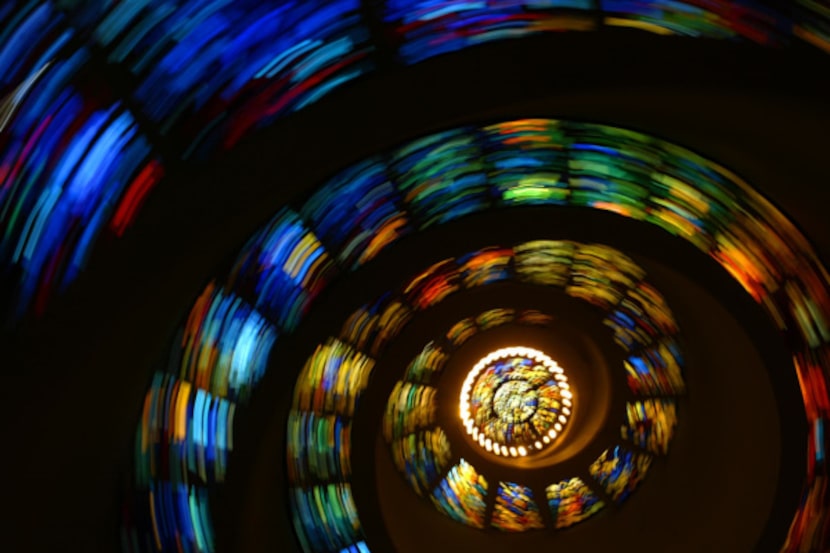
More than sixty years ago, a group of Dallas business leaders made a significant decision to create a monument to gratitude rather than to a political figure or a specific victory. This initiative emerged in a time of deep societal division, with the belief that gratitude could help heal a fractured city. They understood that gratitude is not an act of naivety but a practical approach to addressing community challenges.
Shifting Perspectives Through Gratitude
Today’s societal fractures may manifest differently, with issues such as political polarization, increasing loneliness, and a decline in trust. Yet the core question remains the same: How can we coexist effectively? Gratitude emerges as a viable strategy, encouraging individuals to shift their focus from scarcity to abundance—not in terms of financial wealth, but in recognizing the potential for positive change.
Practicing gratitude involves acknowledging life’s gifts even amidst challenges. This practice allows individuals to see their neighbors as allies rather than strangers, facilitating a shift from a mindset of scarcity to one of possibility. Ogden emphasizes that gratitude sharpens our perceptions, allowing us to identify solutions rather than getting stuck in stalemates. This perceptual intelligence can fundamentally alter how we approach problems and engage with one another.
In a culture often characterized by a lack of time and compassion, gratitude disrupts that narrative. It fosters a sense of agency, prompting individuals to recognize their role in shaping their environments. As Ogden notes, “When we practice gratitude, we begin to see the world not as something to control, but as something entrusted to us.” This sense of responsibility fosters civic intelligence, which is crucial for thriving communities.
Furthermore, gratitude cultivates relational intelligence by enhancing our awareness of those who support us—be it teachers, colleagues, or community members. Recognizing our interdependence fosters humility and connection, both of which are vital for a healthy society. In Dallas, where ambition meets strain, fostering these connections is essential for community cohesion.
Gratitude also encourages creative thinking by directing our attention to what is functioning well within communities. It inspires ordinary individuals to contribute to the collective good, shifting cultural dynamics not through slogans but through consistent, small actions. Ogden asserts that gratitude empowers individuals to take ownership of their cultural contributions, transforming them from mere spectators into active participants.
This perspective positions gratitude as more than a private emotion; it transforms into a public virtue that demands action. It prompts individuals to recognize their blessings and, in turn, become givers themselves. In a world that often feels fractured, the outward flow of gratitude manifests as a form of resistance, affirming that goodness, beauty, and hope still exist.
As we approach the new year, with 2026 bringing new uncertainties and opportunities, gratitude can guide our direction. It serves as a reminder that renewal often emerges not from isolated resolutions but from shared commitments within communities. By carrying this posture of gratitude into January and beyond—attentive eyes, open hearts, and ready hands—individuals can not only welcome a new year but actively shape its course.
Gratitude empowers communities by affirming that there is enough for everyone to thrive. It fosters an environment where compassion, trust, and openness prevail. The challenge now is to integrate gratitude into the everyday interactions of civic life, ensuring that it becomes a cornerstone of how we meet, work, lead, and coexist.
In conclusion, as we reflect on the significance of gratitude this holiday season, let us recognize its potential to transform not just our personal lives but also the broader community. It is a call to action, urging us to embrace our capabilities and responsibilities. Shouldn’t we be grateful for such an opportunity?













Revolutionary Photonic Ski-Jump Could Miniaturize LiDAR Systems

Couples Detox from Plastics in New Netflix Doc: Can It Boost Fertility?

Aventon Launches Affordable Full-Suspension Electric Mountain Bike

Discover Eight Must-Try Restaurants This Spring Season

UC Irvine Team Unveils Innovative Ion Pump for Water Treatment

One-Third of Americans Trim Daily Expenses for Healthcare Needs

Apple Secures First Oscar in Three Years with F1: The Movie

Fourth Graders Celebrate St. Patrick’s Day with Creative Weather Drawings

Kim Kardashian Dazzles at Vanity Fair Oscars Party 2026

Nostradamus’ 2026 Predictions: Star Death and Dark Events Loom

Breakthroughs and Challenges Await Science in 2026

OpenAI to Implement Age Verification for ChatGPT by December 2025

Electric Moto Influencer Surronster Arrested in Tijuana

Discover the Top 10 Calorie Counting Apps of 2025

Bella Hadid Shares Health Update After Treatment for Lyme Disease

Analysts Project Stronger Growth for Apple’s iPhone 17 Lineup

Top 10 Penny Stocks to Watch in 2026 for Strong Returns

Japanese Study Finds Rose Oil Can Increase Brain Gray Matter
-
 Science3 months ago
Nostradamus’ 2026 Predictions: Star Death and Dark Events Loom
-
 Science3 months ago
Breakthroughs and Challenges Await Science in 2026
-
 Technology4 months ago
OpenAI to Implement Age Verification for ChatGPT by December 2025
-
 Technology6 months ago
Electric Moto Influencer Surronster Arrested in Tijuana
-
 Technology8 months ago
Discover the Top 10 Calorie Counting Apps of 2025
-
 Health6 months ago
Bella Hadid Shares Health Update After Treatment for Lyme Disease
-
 Health6 months ago
Analysts Project Stronger Growth for Apple’s iPhone 17 Lineup
-
 Technology3 months ago
Top 10 Penny Stocks to Watch in 2026 for Strong Returns
-
 Health7 months ago
Japanese Study Finds Rose Oil Can Increase Brain Gray Matter
-

 Science5 months ago
Starship V3 Set for 2026 Launch After Successful Final Test of Version 2
-
 Education7 months ago
Harvard Secures Court Victory Over Federal Funding Cuts
-

 Technology3 weeks ago
Nvidia GTC 2026: Major Announcements Expected for AI and Hardware