
Lifestyle
2025 Marks Year of Mourning for Disabled Communities Worldwide

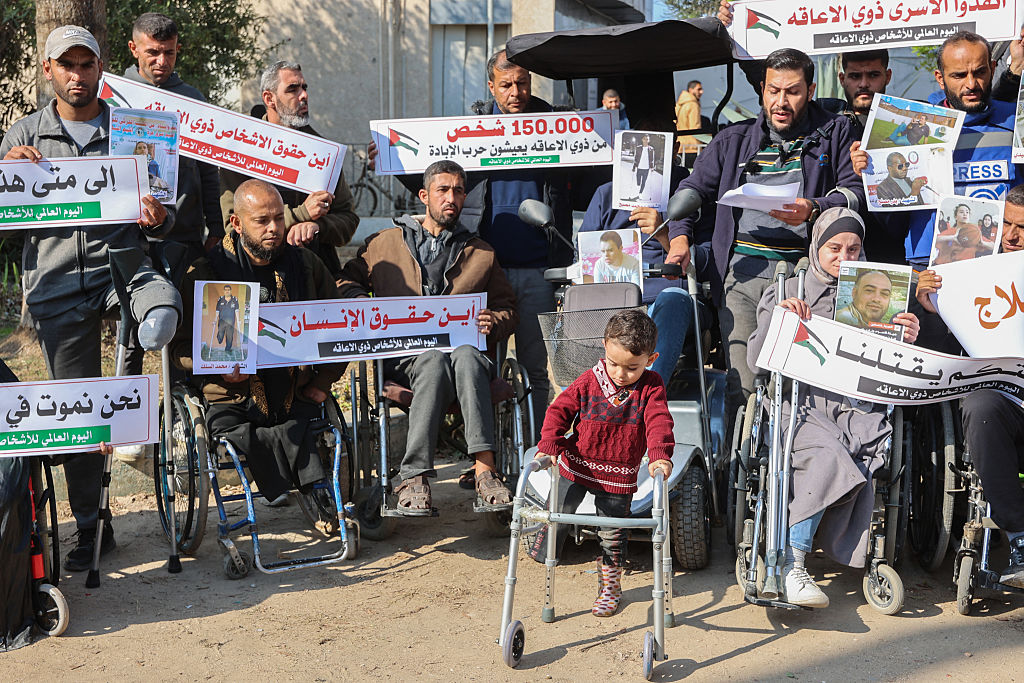
The year 2025 has emerged as a period of profound mourning for disabled communities globally, marked by an alarming rise in deaths linked to systemic neglect and violence. In the United States, these fatalities coincide with a troubling political climate that has shifted towards limiting oversight in cases of abuse and increasing marginalization of disabled individuals, particularly those experiencing homelessness. This year, the ongoing consequences of the COVID-19 pandemic have compounded these challenges, creating a pervasive atmosphere of fear and grief.
A report from the **Autistic Self Advocacy Network**, which organizes an annual Disability Day of Mourning, has identified over **60 cases** of disability-related filicide, where family members or caregivers have taken the lives of disabled individuals. This grim statistic highlights a growing concern as disabled people face heightened vulnerabilities in various contexts, from healthcare access to social support.
In addition to domestic issues, war and genocide have disproportionately impacted disabled individuals worldwide. Reports indicate that in conflict zones, such as Ukraine, disabled individuals are often sent to the front lines as cannon fodder, while in Palestine, hospitals treating disabled patients have faced repeated attacks. These tragedies further illustrate the urgent need for greater awareness and action regarding the safety and dignity of disabled communities.
The **National Health Service (NHS)** in England revealed troubling findings earlier this year, indicating that nearly **40 percent** of deaths among autistic individuals and those with learning disabilities in **2023** were avoidable. These figures underscore the larger systemic failures that contribute to premature death within these communities, often driven by factors such as social determinants of health, police violence, and medical neglect.
As various marginalized groups face heightened risks, the intersection of disability and systemic violence continues to be a critical issue. Research from the **Center for American Progress** indicates that **50 percent** of people killed by law enforcement in the United States are disabled, with over half of disabled African Americans experiencing arrest by age **28**, a rate significantly higher than that of their white counterparts.
The reaction to these losses often materializes in digital spaces, where communities gather to process their grief. As social media platforms evolve, the focus has shifted to spaces such as **Bluesky**, where individuals can share their experiences and emotions. The complexity of grief within disabled communities is multifaceted, encompassing not only the loss of loved ones but also the ongoing grief associated with living with disability.
Writer **Andrew Gurza** articulated the nuanced nature of grief in relation to disability, noting that the experience often involves a unique blend of anticipatory grief and mourning for lost futures. The weight of such grief can lead to significant mental health challenges, including increased irritability and depression.
As we reflect on the events of **2025**, the ongoing struggles faced by disabled individuals are compounded by broader societal issues. The loss of essential services, such as **SNAP benefits**, and proposed healthcare cuts exacerbate the challenges faced by these communities. Additionally, the rising trend of medically assisted deaths, particularly in countries like Canada, raises ethical questions about the societal structures that contribute to these decisions.
The deaths of notable figures within the disability rights movement, including **Alice Wong**, founder of the Disability Visibility Project, and **Patty Berne**, a leading advocate for disability justice, have left significant voids in the community. Such losses serve as poignant reminders of the fragility of life and the imperative to honor the legacies of those who have fought for change.
As communities navigate this landscape of grief, the call to action remains clear: it is essential to cherish the memories of those lost and actively work toward creating supportive structures within disability communities. Through mutual aid, collective action, and innovative problem-solving, individuals can find ways to bear the weight of grief while fostering resilience and connection.
The challenges of **2025** reflect a broader societal issue that extends beyond individual experiences, highlighting the urgent need for systemic change. In honoring the lives of those lost, communities are encouraged to celebrate their contributions and continue advocating for a more equitable and just society.












Gluteus Maximus Shape Reveals Key Insights into Metabolic Health

Music Streaming Highlights of 2025: Nostalgia Dominates Playlists

Discover Culinary Delights in a Unique Steak & Bacon Class

Critics Choice Awards 2026: Top Nominations and Highlights Revealed

NASA Launches STELLA Project to Democratize Remote Sensing Science

Researchers Uncover Muscle Shape Links to Metabolic Health

Bristol Palin Provides Update on Ongoing Facial Paralysis Battle

Higher Education Faces Serious Challenges Amid Changing Values

Aid Worker Heads to Caracas to Address Ongoing Humanitarian Crisis

Nostradamus’ 2026 Predictions: Star Death and Dark Events Loom

OpenAI to Implement Age Verification for ChatGPT by December 2025

Discover the Top 10 Calorie Counting Apps of 2025

Bella Hadid Shares Health Update After Treatment for Lyme Disease

Analysts Project Stronger Growth for Apple’s iPhone 17 Lineup

Erin Bates Shares Recovery Update Following Sepsis Complications

Electric Moto Influencer Surronster Arrested in Tijuana

Discover How to Reverse Image Search Using ChatGPT Effortlessly

Meta Initiates $60B AI Data Center Expansion, Starting in Ohio
-
 Science1 week ago
Nostradamus’ 2026 Predictions: Star Death and Dark Events Loom
-
 Technology1 month ago
OpenAI to Implement Age Verification for ChatGPT by December 2025
-
 Technology6 months ago
Discover the Top 10 Calorie Counting Apps of 2025
-
 Health4 months ago
Bella Hadid Shares Health Update After Treatment for Lyme Disease
-
 Health4 months ago
Analysts Project Stronger Growth for Apple’s iPhone 17 Lineup
-
 Health4 months ago
Erin Bates Shares Recovery Update Following Sepsis Complications
-
 Technology4 months ago
Electric Moto Influencer Surronster Arrested in Tijuana
-
 Technology5 months ago
Discover How to Reverse Image Search Using ChatGPT Effortlessly
-
 Technology6 months ago
Meta Initiates $60B AI Data Center Expansion, Starting in Ohio
-

 Technology6 months ago
Recovering a Suspended TikTok Account: A Step-by-Step Guide
-

 Technology2 months ago
Discover 2025’s Top GPUs for Exceptional 4K Gaming Performance
-

 Health5 months ago
Tested: Rab Firewall Mountain Jacket Survives Harsh Conditions