
Health
Parents Voice Concerns Over Maine’s Proposed Changes to Child Services

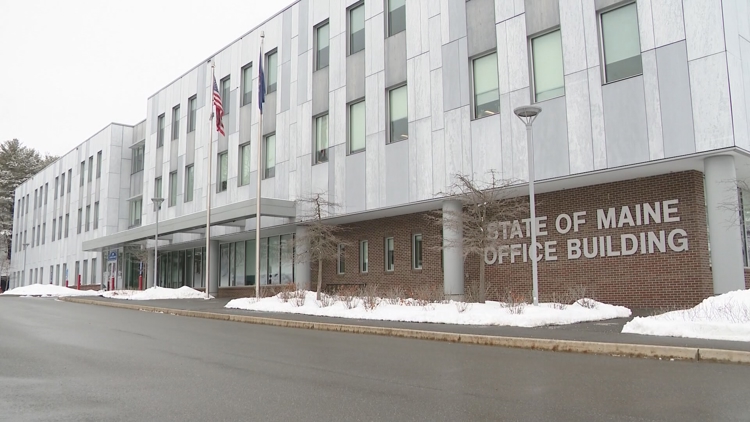
Proposed changes to Maine’s children’s behavioral health services have raised significant concerns among parents and advocates, who fear these modifications could adversely affect vulnerable children. The alterations pertain to the Section 28 MaineCare home-and-community-based services that provide essential support to children with disabilities.
The Maine Department of Health and Human Services (DHHS) is currently evaluating a plan that may limit access to crucial services. Parents and advocates argue that these changes could strip away vital resources that assist children in managing behavioral health challenges. They emphasize that without adequate support, many children may struggle with their mental health and developmental needs.
Advocates from Disability Rights Maine have publicly criticized the proposed adjustments. They contend that the services under Section 28 are not merely supplementary but are fundamental to the well-being of many children. Parents express deep concern that reducing access will lead to increased difficulties in managing their children’s behavioral health needs, potentially resulting in more children being placed in institutional settings.
The proposed changes have sparked a broader conversation about the state’s commitment to its most vulnerable populations. Families argue that the financial savings touted by the DHHS do not justify the potential harm these cuts may inflict on children’s lives. There is an urgent call for state officials to reconsider the implications of these changes before moving forward.
Parents are particularly worried about the impact on children who rely on services for social skills development, emotional support, and behavioral interventions. The fear is that without adequate resources, these children may regress, making it harder for them to thrive in school and social settings.
Public forums have been organized to allow families to voice their concerns. Many parents have shared their personal stories, illustrating the critical role that these behavioral health services play in their children’s daily lives. Feedback from these sessions is expected to influence the decision-making process as the DHHS reviews the proposal.
The situation remains fluid as families and advocates continue to push for a reconsideration of the proposed changes. Advocates emphasize the importance of preserving existing services to ensure that children with disabilities receive the necessary support. They assert that investing in these services is crucial not only for the children affected but also for the community as a whole.
As the DHHS prepares to finalize its recommendations, the voices of parents and advocates will likely play a pivotal role in shaping the future of Maine’s behavioral health services for children. The outcome of this discussion will have far-reaching implications for countless families across the state.











Discover Glass Art: Engaging Workshops at SiNaCa Studios

Explore Texas Craftsmanship at the 21st Grapevine Artisans Market

NASA Force Initiative Launches to Recruit Elite Tech Talent

Community Events Highlight Support Groups and Fundraisers

Genesis G90: A Luxurious Choice for Value-Conscious Buyers

Schools Tackle Chronic Absenteeism in Ashtabula County

Discover Lasting Love at the Becoming One Marriage Retreat

Study Unveils Inaccuracies of ‘Demon Slayer’ Bamboo Muzzle Design

Parents Voice Concerns Over Maine’s Proposed Changes to Child Services

Nostradamus’ 2026 Predictions: Star Death and Dark Events Loom

Breakthroughs and Challenges Await Science in 2026

OpenAI to Implement Age Verification for ChatGPT by December 2025

Discover the Top 10 Calorie Counting Apps of 2025

Electric Moto Influencer Surronster Arrested in Tijuana

Bella Hadid Shares Health Update After Treatment for Lyme Disease

Analysts Project Stronger Growth for Apple’s iPhone 17 Lineup

Top 10 Penny Stocks to Watch in 2026 for Strong Returns

Japanese Study Finds Rose Oil Can Increase Brain Gray Matter
-
 Science2 months ago
Nostradamus’ 2026 Predictions: Star Death and Dark Events Loom
-
 Science2 months ago
Breakthroughs and Challenges Await Science in 2026
-
 Technology3 months ago
OpenAI to Implement Age Verification for ChatGPT by December 2025
-
 Technology8 months ago
Discover the Top 10 Calorie Counting Apps of 2025
-
 Technology6 months ago
Electric Moto Influencer Surronster Arrested in Tijuana
-
 Health6 months ago
Bella Hadid Shares Health Update After Treatment for Lyme Disease
-
 Health6 months ago
Analysts Project Stronger Growth for Apple’s iPhone 17 Lineup
-
 Technology3 months ago
Top 10 Penny Stocks to Watch in 2026 for Strong Returns
-
 Health6 months ago
Japanese Study Finds Rose Oil Can Increase Brain Gray Matter
-

 Science5 months ago
Starship V3 Set for 2026 Launch After Successful Final Test of Version 2
-

 Education6 months ago
Harvard Secures Court Victory Over Federal Funding Cuts
-

 Health6 months ago
Erin Bates Shares Recovery Update Following Sepsis Complications