
Health
GOP Health Care Proposals Spark Confusion Amid Legislative Pressure

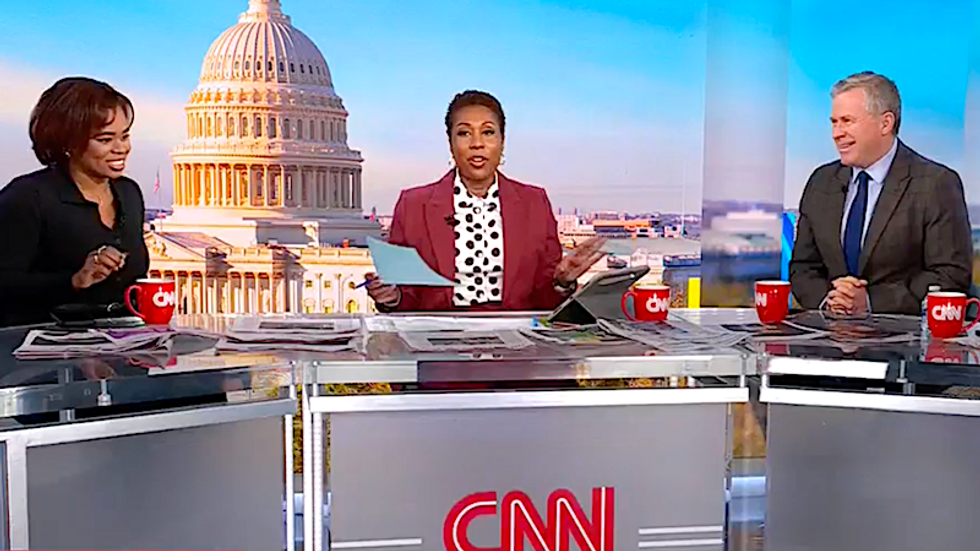
Confusion surrounds the ongoing health care discussions among Republican lawmakers as Senate Republicans propose multiple strategies to address the impending expiration of Affordable Care Act (ACA) subsidies. During a recent episode of “CNN This Morning,” host Audie Cornish expressed astonishment at the chaotic state of negotiations, highlighting the pressure on House Republicans to formulate their own plans.
Republican Proposals and Legislative Uncertainty
As January 2024 approaches, Senate Republicans have introduced at least five proposals aimed at extending ACA subsidies, which are set to expire at the year’s end. A vote on one of these proposals is anticipated on Thursday. However, Speaker Mike Johnson of Louisiana appears to be hindered by a lack of direction from the White House, leaving House Republicans in a state of uncertainty.
Former Republican Congressman Charlie Dent noted that there is no consensus on health care solutions among Republicans. During the discussion, he remarked, “Yeah, well, look, on health care there is no Republican consensus on what to do about health care.” Cornish’s incredulity was palpable as she pressed Dent for clarification, underscoring the gravity of the situation.
Dent further explained that even if the proposed health savings accounts become law, it would take time to implement. In the interim, he acknowledged, “You’re still going to probably have to extend the current law.” He pointed out that various Republicans, including Brian Fitzpatrick and Jen Kiggans, have introduced bills aimed at extending the subsidies, emphasizing the urgency of the matter.
Criticism and Legislative Dynamics
Democratic strategist Antjuan Seawright interjected during the discussion, reminding viewers of the human impact of legislative inaction. He paraphrased a well-known quote on Medicaid, stating, “In the meantime, you’re still going to die,” emphasizing the potential consequences of delays in health care reform.
Amidst this turmoil, NOTUS correspondent Jasmine Wright provided insight into the Republican plans. “If you just, like, take a step back, there are five Republican plans percolating in the Senate right now,” she stated, noting the absence of consensus. She indicated that the Cassidy-Crapo bill, scheduled for a vote, is unlikely to pass, with Democratic opposition already confirmed.
Wright elaborated on the varying proposals, which range from one-year to three-year extensions of subsidies. She conveyed a sense of frustration, stating, “I just think that there is fundamentally no real idea from Republicans about what they want to do going forward on health care.” This lack of clarity, she argued, extends to the White House, which has not engaged in the process as actively as in previous weeks.
Cornish’s incredulity was evident as she reacted to the panel’s discussion. “That’s crazy for you to tell me,” she remarked, highlighting the contradictions in the legislative landscape. The conversation underscored a critical moment in U.S. health care policy as lawmakers grapple with the implications of their decisions and the urgent need for action.
The coming days will be pivotal for Republican lawmakers, as they strive to unify their approaches to health care amid mounting pressure and the impending deadline for ACA subsidies. The outcome of the proposed votes may significantly shape the future of health care in the United States.











Revolutionary Photonic Ski-Jump Could Miniaturize LiDAR Systems

Couples Detox from Plastics in New Netflix Doc: Can It Boost Fertility?

Aventon Launches Affordable Full-Suspension Electric Mountain Bike

Discover Eight Must-Try Restaurants This Spring Season

UC Irvine Team Unveils Innovative Ion Pump for Water Treatment

One-Third of Americans Trim Daily Expenses for Healthcare Needs

Apple Secures First Oscar in Three Years with F1: The Movie

Fourth Graders Celebrate St. Patrick’s Day with Creative Weather Drawings

Kim Kardashian Dazzles at Vanity Fair Oscars Party 2026

Nostradamus’ 2026 Predictions: Star Death and Dark Events Loom

Breakthroughs and Challenges Await Science in 2026

Electric Moto Influencer Surronster Arrested in Tijuana

OpenAI to Implement Age Verification for ChatGPT by December 2025

Discover the Top 10 Calorie Counting Apps of 2025

Bella Hadid Shares Health Update After Treatment for Lyme Disease

Analysts Project Stronger Growth for Apple’s iPhone 17 Lineup

Japanese Study Finds Rose Oil Can Increase Brain Gray Matter

Top 10 Penny Stocks to Watch in 2026 for Strong Returns
-
 Science4 months ago
Nostradamus’ 2026 Predictions: Star Death and Dark Events Loom
-
 Science4 months ago
Breakthroughs and Challenges Await Science in 2026
-
 Technology7 months ago
Electric Moto Influencer Surronster Arrested in Tijuana
-
 Technology4 months ago
OpenAI to Implement Age Verification for ChatGPT by December 2025
-
 Technology9 months ago
Discover the Top 10 Calorie Counting Apps of 2025
-
 Health7 months ago
Bella Hadid Shares Health Update After Treatment for Lyme Disease
-
 Health7 months ago
Analysts Project Stronger Growth for Apple’s iPhone 17 Lineup
-
 Health8 months ago
Japanese Study Finds Rose Oil Can Increase Brain Gray Matter
-
 Technology4 months ago
Top 10 Penny Stocks to Watch in 2026 for Strong Returns
-

 Science6 months ago
Starship V3 Set for 2026 Launch After Successful Final Test of Version 2
-

 Technology2 months ago
Nvidia GTC 2026: Major Announcements Expected for AI and Hardware
-

 Education7 months ago
Harvard Secures Court Victory Over Federal Funding Cuts