
Education
Tips to Prevent Overtraining and Enhance Your Workout Results

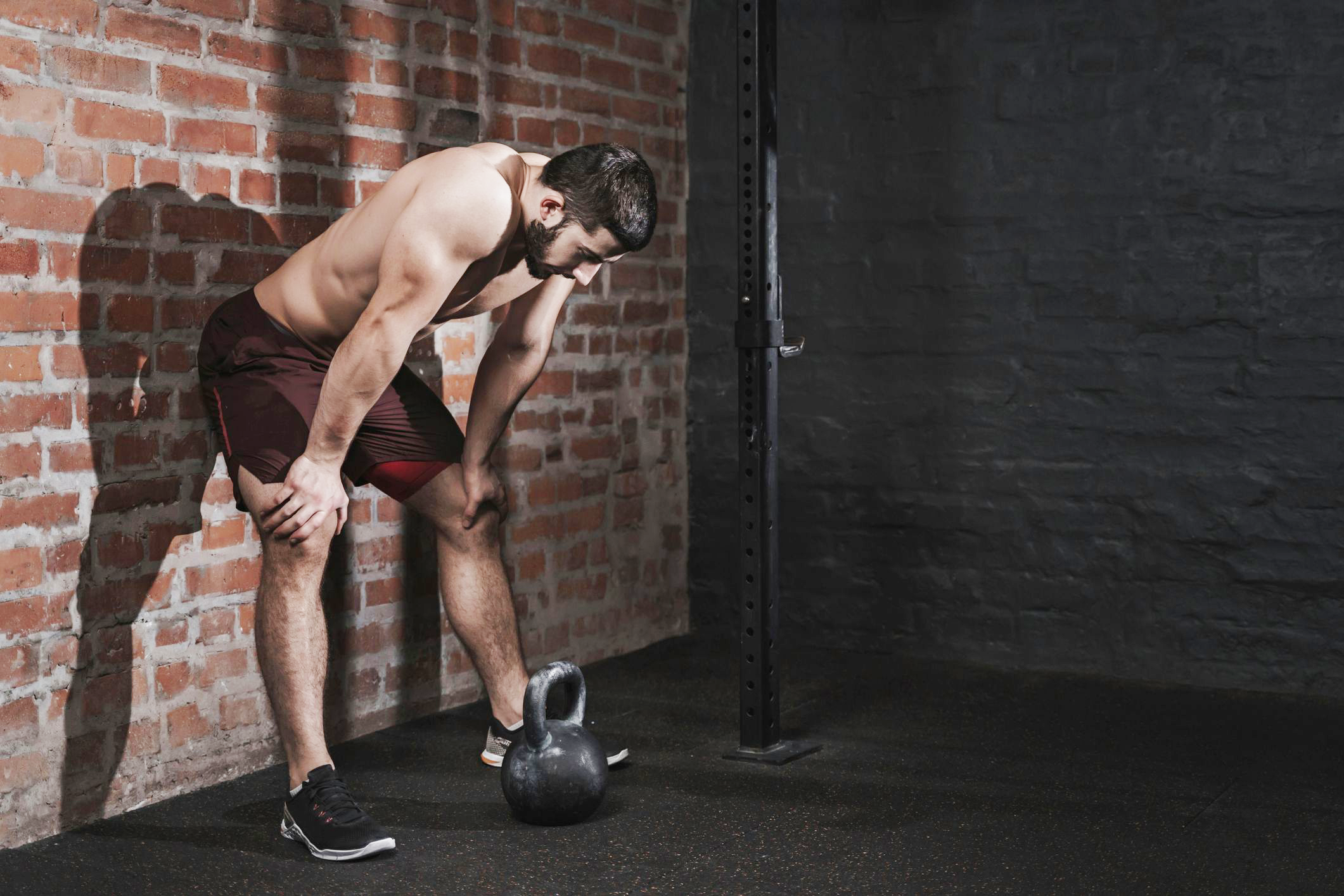
Overtraining can derail your fitness progress, leading to fatigue, decreased performance, and even injury. It’s a common misconception that more exercise always yields better results. In reality, pushing your body too hard can have the opposite effect, hindering recovery and overall performance.
Understanding Overtraining
Overtraining occurs when individuals train too intensely or frequently without allowing adequate recovery time. While exercising regularly is essential, there is a fine line between challenging yourself and risking burnout. If you find yourself working out more than four times each week with high intensity during every session, you may be setting yourself up for overtraining. Symptoms can include fatigue, decreased motivation, mood swings, and even changes in appetite. These signs indicate that your body needs a break to recover.
Many advanced athletes implement training splits to avoid the pitfalls of overtraining. This approach involves focusing on different muscle groups or training functions on separate days. For example, one might target the chest on one day and legs on another. By varying workouts, you can maintain a high training frequency without overwhelming your body.
Prioritizing Recovery
Recovery should be as integral to your regimen as the workouts themselves. According to fitness expert Trevor Thieme, allowing at least 48 hours between high-intensity sessions is crucial for optimal recovery and muscle growth. If you perform a challenging workout on Monday, consider waiting until Wednesday before pushing your limits again. Alternatively, you could engage in a different form of exercise on the following day, such as running sprints on Monday and lifting weights for upper body strength on Tuesday.
Daily training is not off the table, as your body is designed for movement. However, it is essential to avoid high-intensity sessions every day. Incorporating active recovery can facilitate healing and enhance your strength for future workouts. Activities like light jogging or cycling, stretching, and yoga can provide the necessary recovery while keeping you engaged.
In conclusion, balancing training intensity with adequate recovery is vital for achieving long-term fitness goals. Embracing a more nuanced approach to your workout routine not only improves performance but also contributes to overall well-being. Remember, the journey to fitness is a marathon, not a sprint. Prioritize your recovery to ensure you can continue to progress and enjoy your workouts.
When not writing about fitness, Trevor Thieme, a former fitness editor at Men’s Health, enjoys outdoor activities like surfing, skiing, and mountain biking, alongside family time with his 10-year-old daughter.












Discover Glass Art: Engaging Workshops at SiNaCa Studios

Explore Texas Craftsmanship at the 21st Grapevine Artisans Market

NASA Force Initiative Launches to Recruit Elite Tech Talent

Community Events Highlight Support Groups and Fundraisers

Genesis G90: A Luxurious Choice for Value-Conscious Buyers

Schools Tackle Chronic Absenteeism in Ashtabula County

Discover Lasting Love at the Becoming One Marriage Retreat

Study Unveils Inaccuracies of ‘Demon Slayer’ Bamboo Muzzle Design

Parents Voice Concerns Over Maine’s Proposed Changes to Child Services

Nostradamus’ 2026 Predictions: Star Death and Dark Events Loom

Breakthroughs and Challenges Await Science in 2026

OpenAI to Implement Age Verification for ChatGPT by December 2025

Discover the Top 10 Calorie Counting Apps of 2025

Electric Moto Influencer Surronster Arrested in Tijuana

Bella Hadid Shares Health Update After Treatment for Lyme Disease

Analysts Project Stronger Growth for Apple’s iPhone 17 Lineup

Top 10 Penny Stocks to Watch in 2026 for Strong Returns

Japanese Study Finds Rose Oil Can Increase Brain Gray Matter
-
 Science2 months ago
Nostradamus’ 2026 Predictions: Star Death and Dark Events Loom
-
 Science2 months ago
Breakthroughs and Challenges Await Science in 2026
-
 Technology3 months ago
OpenAI to Implement Age Verification for ChatGPT by December 2025
-
 Technology8 months ago
Discover the Top 10 Calorie Counting Apps of 2025
-
 Technology6 months ago
Electric Moto Influencer Surronster Arrested in Tijuana
-
 Health6 months ago
Bella Hadid Shares Health Update After Treatment for Lyme Disease
-
 Health6 months ago
Analysts Project Stronger Growth for Apple’s iPhone 17 Lineup
-
 Technology3 months ago
Top 10 Penny Stocks to Watch in 2026 for Strong Returns
-
 Health6 months ago
Japanese Study Finds Rose Oil Can Increase Brain Gray Matter
-

 Science5 months ago
Starship V3 Set for 2026 Launch After Successful Final Test of Version 2
-

 Education6 months ago
Harvard Secures Court Victory Over Federal Funding Cuts
-

 Health6 months ago
Erin Bates Shares Recovery Update Following Sepsis Complications