
Top Stories
Tardigrades Help Scientists Explore Martian Soil for Future Colonization

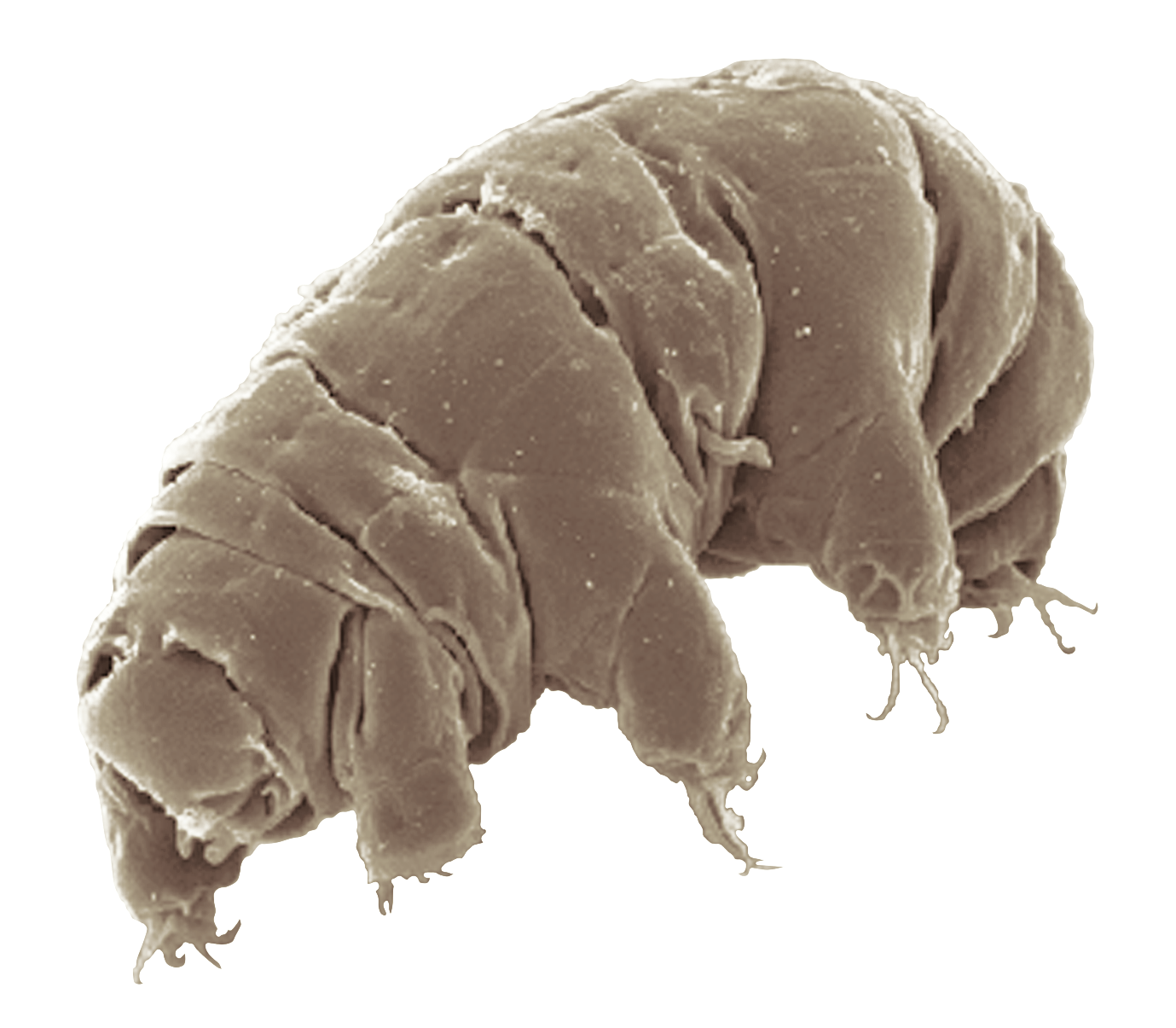
Research from Penn State University has revealed that tardigrades, often referred to as water bears, could play a crucial role in understanding how Martian soil might support life. These resilient microscopic organisms have demonstrated an extraordinary ability to survive extreme conditions, including freezing, boiling, and even exposure to outer space. Their latest assignment involves testing the potential of Martian regolith to support future human exploration.
The study specifically focused on how two types of simulated Martian soil would interact with living tardigrades. Researchers aimed to determine whether this soil could be adapted for plant growth, which would be essential for sustaining human life on Mars. Understanding the interaction between Earth organisms and Martian soil is vital for avoiding contamination of the planet, a principle known as planetary protection.
Testing the Limits of Martian Soil
Researchers used two different soil simulants designed to mimic the mineral and chemical composition of Martian regolith collected by NASA’s Curiosity Rover. The first simulant, named MGS-1, was intended to represent a broad spectrum of Martian surface conditions. Within just two days, the tardigrades exposed to this simulant exhibited significantly reduced activity. Given their ability to endure extreme environments, this result was unexpected and concerning.
The second simulant proved less harmful, indicating that specific components of Martian soil present greater challenges to terrestrial life. The experiments revealed a critical insight: rinsing the MGS-1 simulant with water before introducing tardigrades almost entirely reversed the detrimental effects. This discovery suggests that soluble compounds, possibly salts, in the soil were responsible for the harm inflicted on the tardigrades.
Implications for Future Mars Missions
The findings carry significant implications for future human missions to Mars. If Martian soil is inherently hostile to Earth organisms, it may provide a natural barrier against contamination. Conversely, the ability to neutralize this hostility through simple rinsing opens avenues for processing regolith to support agriculture.
Water is a scarce resource on Mars, making large-scale washing of soil a complex challenge. Nevertheless, understanding that the issue can be addressed is a substantial advancement in Mars exploration. As researchers noted, they are gradually untangling the intricate components of a complex system, paving the way for potential solutions.
Tardigrades have survived Earth’s harshest conditions for hundreds of millions of years. Their role in this research underscores their potential as key players in helping humanity determine whether Mars can eventually support life. As scientists continue to explore this uncharted territory, the resilience of these tiny organisms may provide insights that foster future human colonization of the Red Planet.









Michael Anthony Ortega Remembered for His Loving Spirit

Use Body Language to Reconnect With Your Partner After a Dispute

Tech Repair: Restoring the Onkyo TX-SR806 Receiver to Life

Discover Glass Art: Engaging Workshops at SiNaCa Studios

Explore Texas Craftsmanship at the 21st Grapevine Artisans Market

NASA Force Initiative Launches to Recruit Elite Tech Talent

Community Events Highlight Support Groups and Fundraisers

Genesis G90: A Luxurious Choice for Value-Conscious Buyers

Schools Tackle Chronic Absenteeism in Ashtabula County

Nostradamus’ 2026 Predictions: Star Death and Dark Events Loom

Breakthroughs and Challenges Await Science in 2026

OpenAI to Implement Age Verification for ChatGPT by December 2025

Discover the Top 10 Calorie Counting Apps of 2025

Electric Moto Influencer Surronster Arrested in Tijuana

Bella Hadid Shares Health Update After Treatment for Lyme Disease

Analysts Project Stronger Growth for Apple’s iPhone 17 Lineup

Top 10 Penny Stocks to Watch in 2026 for Strong Returns

Japanese Study Finds Rose Oil Can Increase Brain Gray Matter
-
 Science2 months ago
Nostradamus’ 2026 Predictions: Star Death and Dark Events Loom
-
 Science2 months ago
Breakthroughs and Challenges Await Science in 2026
-
 Technology3 months ago
OpenAI to Implement Age Verification for ChatGPT by December 2025
-
 Technology8 months ago
Discover the Top 10 Calorie Counting Apps of 2025
-
 Technology6 months ago
Electric Moto Influencer Surronster Arrested in Tijuana
-
 Health6 months ago
Bella Hadid Shares Health Update After Treatment for Lyme Disease
-
 Health6 months ago
Analysts Project Stronger Growth for Apple’s iPhone 17 Lineup
-
 Technology3 months ago
Top 10 Penny Stocks to Watch in 2026 for Strong Returns
-
 Health6 months ago
Japanese Study Finds Rose Oil Can Increase Brain Gray Matter
-

 Science5 months ago
Starship V3 Set for 2026 Launch After Successful Final Test of Version 2
-

 Education6 months ago
Harvard Secures Court Victory Over Federal Funding Cuts
-

 Health6 months ago
Erin Bates Shares Recovery Update Following Sepsis Complications