
Technology
NFT Trends Reshape Germany’s Digital Economy and Investment Landscape

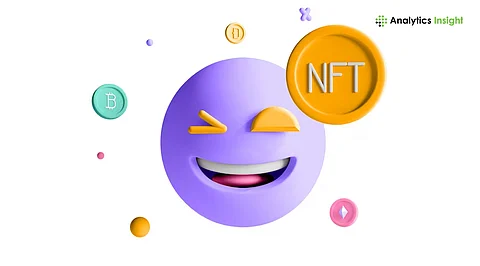
Germany is experiencing a significant shift in its digital economy as institutional adoption of Non-Fungible Tokens (NFTs) gains momentum. Banks and investment funds are increasingly exploring regulated NFT-based investments, bolstered by improving regulatory clarity. This environment instills confidence among creators and buyers, paving the way for a more structured and utility-driven NFT landscape.
As NFTs transition beyond mere artistic collectibles, they are becoming integrated into various sectors, including gaming, identity verification, virtual real estate, and corporate branding. The evolving ecosystem reflects a maturation from speculative hype to meaningful utility. Interest in digital ownership is on the rise, fueled by enhanced regulatory frameworks, the growth of blockchain gaming, and a surge in institutional involvement.
Key Trends Driving the NFT Market in Germany
Germany’s regulatory environment is shifting towards greater organization, fostering trust among creators, platforms, and investors. Enhanced guidance from regulatory agencies on classification and compliance allows the Web3 marketplace to develop responsibly. German tax authorities are refining policies regarding the taxation of NFTs, particularly when these digital assets serve as certificates, access tokens, or utility-based products. Clear taxation rules enable better planning for creators and collectors navigating a regulated economy.
Cities like Berlin, Hamburg, and Munich are at the forefront of a vibrant digital art community. NFT technology provides artists with additional distribution channels and monetization opportunities, allowing them to reach global audiences. Digital exhibitions and galleries specializing in blockchain technology have gained traction, further energizing the local art scene.
Sustainability is a core value within Germany’s technological culture. The adoption of energy-efficient and green blockchains aligns with the nation’s environmental priorities, creating a foundation for eco-friendly NFT creation and trading. This commitment to sustainability is emerging as a key aspect of local market growth.
Blockchain gaming is another rapidly expanding sector in Germany’s digital economy. NFTs enable gamers to own skins, items, and characters across multiple ecosystems. Recent play-to-earn models and interoperable game assets are enhancing engagement, making gaming more interactive and rewarding for players.
Metaverse projects are also flourishing, with developments that include virtual events and showroom experiences. NFTs represent ownership of virtual real estate, identity avatars, and collectible digital assets, contributing to the growth of immersive online economies.
Major German brands and sports organizations are increasingly adopting NFTs to enhance fan interaction and loyalty. These digital assets take the form of collectables, membership tokens, or brand-related virtual items, creating new pathways for engagement with corporate entities and sports teams.
Decentralized Autonomous Organizations (DAOs) are gaining popularity within the German Web3 communities. These structures facilitate transparent decision-making and collaborative project development, enhancing the collective governance of NFT-related initiatives.
With the regulatory framework for NFT transactions gaining traction, institutional investors are showing a growing interest in these assets. Investment firms are now considering NFTs for inclusion in diversified portfolios, reflecting a shift towards professionalizing participation in this emerging market.
NFTs are increasingly recognized for their potential beyond art and collectibles. They support solutions for digital identity verification, certification systems, membership validation, and educational credentials. This broad applicability enhances confidence in Germany’s digital landscape, positioning NFTs as a trusted medium.
Looking Ahead: The Future of NFTs in Germany
Overall, the German NFT marketplace is evolving into a purposeful ecosystem focused on utility. Growth is driven by regulatory clarity, gaming innovations, advancements in digital identity, and sustainability-oriented blockchain applications.
Several key questions remain regarding the future of NFTs in Germany. Are NFTs legal? Yes, they are legally recognized, supported by improving regulations. Is taxation required for NFT-related income? Generally, yes, with obligations depending on the nature of the NFTs and the method of sale. Is eco-friendly NFT adoption prevalent? Yes, as energy-efficient practices align with Germany’s environmental goals.
Furthermore, NFTs are making strides beyond artistic applications, finding uses in gaming ecosystems, digital identity solutions, metaverse development, and corporate engagement. The German NFT market is poised for growth, driven by sustained regulatory clarity and increasing institutional participation.







Florida Health Report Reveals Heavy Metals in Infant Formula

Luxury Sedans Face Off: 1994’s $32K Showdown of Performance

Chambersburg School District Implements Detection System for Safety

Demi Moore Celebrates Self-Acceptance at WWD Style Awards

SpaceX Launches First ‘Twilight’ Rideshare Mission with NASA Payloads

Florida Health Report Reveals Heavy Metals in Infant Formula

Investing in Social Connections: A Path to Better Health

TBPN: The Technology Brothers Elevate Podcasting with Grand Gestures

University of Arkansas Names Emily Suski as New Law School Dean

Nostradamus’ 2026 Predictions: Star Death and Dark Events Loom

OpenAI to Implement Age Verification for ChatGPT by December 2025

Discover the Top 10 Calorie Counting Apps of 2025

Bella Hadid Shares Health Update After Treatment for Lyme Disease

Analysts Project Stronger Growth for Apple’s iPhone 17 Lineup

Erin Bates Shares Recovery Update Following Sepsis Complications

Electric Moto Influencer Surronster Arrested in Tijuana

Discover How to Reverse Image Search Using ChatGPT Effortlessly

Meta Initiates $60B AI Data Center Expansion, Starting in Ohio
-
 Science2 weeks ago
Nostradamus’ 2026 Predictions: Star Death and Dark Events Loom
-
 Technology1 month ago
OpenAI to Implement Age Verification for ChatGPT by December 2025
-
 Technology6 months ago
Discover the Top 10 Calorie Counting Apps of 2025
-
 Health4 months ago
Bella Hadid Shares Health Update After Treatment for Lyme Disease
-
 Health4 months ago
Analysts Project Stronger Growth for Apple’s iPhone 17 Lineup
-
 Health4 months ago
Erin Bates Shares Recovery Update Following Sepsis Complications
-
 Technology4 months ago
Electric Moto Influencer Surronster Arrested in Tijuana
-
 Technology5 months ago
Discover How to Reverse Image Search Using ChatGPT Effortlessly
-
 Technology6 months ago
Meta Initiates $60B AI Data Center Expansion, Starting in Ohio
-

 Technology6 months ago
Recovering a Suspended TikTok Account: A Step-by-Step Guide
-

 Technology2 months ago
Discover 2025’s Top GPUs for Exceptional 4K Gaming Performance
-

 Education4 months ago
Harvard Secures Court Victory Over Federal Funding Cuts