
Technology
Apple Updates ‘No Repair’ iPhone List, Obsolete Models Excluded

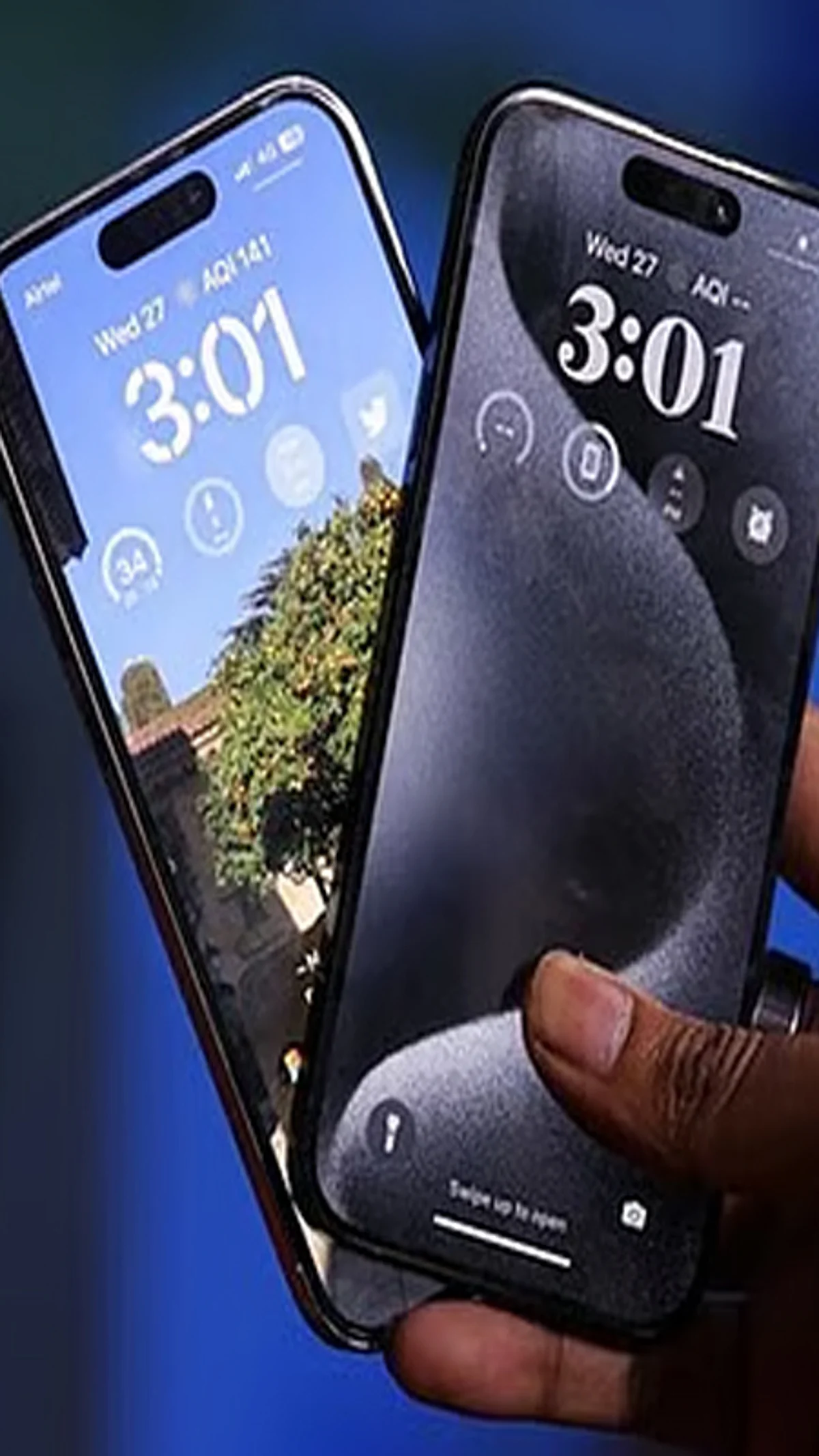
Apple has announced an update to its official list of iPhones deemed as “No Repair.” This change signifies that certain devices classified as vintage or obsolete will no longer qualify for hardware servicing, affecting aspects such as battery replacements, display changes, and internal repairs.
As of October 2023, the updated policy means that users of older iPhone models may face significant challenges in maintaining their devices. The term “vintage” applies to models that have not been sold for more than five years but are still supported for repairs, while “obsolete” refers to devices that Apple no longer supports at all.
In practice, this means that users of these older models will need to consider alternative options, including third-party repair services or upgrading to newer models. The decision reflects Apple’s ongoing strategy to encourage users to adopt its latest technologies, while also managing its repair resources.
Apple’s policy change affects various iPhone models released before 2017. Users of these devices may find themselves facing limitations, particularly as hardware issues become more prevalent over time. The move aligns with industry trends where manufacturers phase out support for older devices to streamline operations and focus on newer technology.
This update is particularly pertinent for consumers who may not be ready to transition to the latest iPhone models. While Apple’s latest devices come with advanced features and improvements, the costs associated with upgrading can be significant. As such, those holding onto older models may find it increasingly difficult to access essential repair services.
The company has long emphasized the importance of innovative technology and user experience. By ceasing repairs on older models, Apple aims to ensure that its service resources are allocated efficiently. This strategy, however, raises questions about sustainability, as consumers often seek to extend the life of their devices rather than contributing to electronic waste.
In a broader context, the shift reflects a growing trend in the technology sector where manufacturers prioritize newer products over older ones. As the lifecycle of technology continues to shorten, consumers may need to adapt to this reality, considering not just the purchase price of devices but also the potential long-term implications for service and support.
The response from users regarding the update remains mixed. Some view it as an expected move in a rapidly evolving tech landscape, while others express frustration over the lack of support for devices that may still function adequately. As more consumers become aware of the implications of such policies, discussions about device longevity and repairability are likely to intensify.
In conclusion, Apple’s updated “No Repair” list serves as a reminder of the challenges faced by consumers with older devices. As technology continues to advance, the need for clear communication and transparent policies regarding device support will be essential for maintaining customer trust and satisfaction.










Revolutionary Photonic Ski-Jump Could Miniaturize LiDAR Systems

Couples Detox from Plastics in New Netflix Doc: Can It Boost Fertility?

Aventon Launches Affordable Full-Suspension Electric Mountain Bike

Discover Eight Must-Try Restaurants This Spring Season

UC Irvine Team Unveils Innovative Ion Pump for Water Treatment

One-Third of Americans Trim Daily Expenses for Healthcare Needs

Apple Secures First Oscar in Three Years with F1: The Movie

Fourth Graders Celebrate St. Patrick’s Day with Creative Weather Drawings

Kim Kardashian Dazzles at Vanity Fair Oscars Party 2026

Nostradamus’ 2026 Predictions: Star Death and Dark Events Loom

Breakthroughs and Challenges Await Science in 2026

Electric Moto Influencer Surronster Arrested in Tijuana

OpenAI to Implement Age Verification for ChatGPT by December 2025

Discover the Top 10 Calorie Counting Apps of 2025

Bella Hadid Shares Health Update After Treatment for Lyme Disease

Analysts Project Stronger Growth for Apple’s iPhone 17 Lineup

Japanese Study Finds Rose Oil Can Increase Brain Gray Matter

Top 10 Penny Stocks to Watch in 2026 for Strong Returns
-
 Science3 months ago
Nostradamus’ 2026 Predictions: Star Death and Dark Events Loom
-
 Science4 months ago
Breakthroughs and Challenges Await Science in 2026
-
 Technology7 months ago
Electric Moto Influencer Surronster Arrested in Tijuana
-
 Technology4 months ago
OpenAI to Implement Age Verification for ChatGPT by December 2025
-
 Technology9 months ago
Discover the Top 10 Calorie Counting Apps of 2025
-
 Health7 months ago
Bella Hadid Shares Health Update After Treatment for Lyme Disease
-
 Health7 months ago
Analysts Project Stronger Growth for Apple’s iPhone 17 Lineup
-
 Health7 months ago
Japanese Study Finds Rose Oil Can Increase Brain Gray Matter
-
 Technology4 months ago
Top 10 Penny Stocks to Watch in 2026 for Strong Returns
-

 Science6 months ago
Starship V3 Set for 2026 Launch After Successful Final Test of Version 2
-

 Technology1 month ago
Nvidia GTC 2026: Major Announcements Expected for AI and Hardware
-

 Education7 months ago
Harvard Secures Court Victory Over Federal Funding Cuts