
Science
Trump Administration Disrupts Decades-Old Research Funding Pact

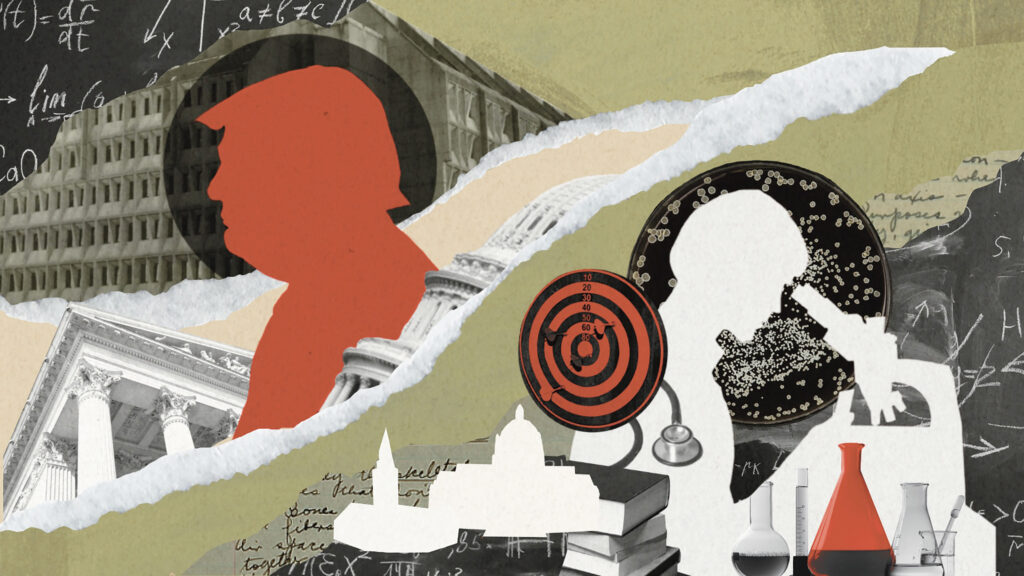
A significant shift in the landscape of scientific research funding has emerged since the start of 2025, largely driven by the policies of the Trump administration. This year has seen many U.S. researchers grappling with an uncertain future, as the longstanding agreement between the federal government and academic institutions has been fundamentally altered.
The National Institutes of Health (NIH), which has historically supported a robust biomedical research environment, is facing unprecedented challenges. Although the agency has restored billions in previously terminated grant funding, the number of awards has dropped sharply. Grant approvals fell by 11.6% from the previous year, with a 8.2% decrease compared to the average of the last nine years, according to an analysis of nearly 750,000 grants from the NIH RePORTER database.
This decline has occurred despite the NIH maintaining a budget of $37 billion for extramural research. The funding shift has been attributed to a decision to pre-fund many multiyear grants, ultimately resulting in fewer available funds for new projects. Research areas typically supported across party lines, such as cancer and Alzheimer’s studies, have also been adversely affected. Notably, the number of high-risk, high-reward grants, aimed at fostering innovative scientific ideas, has declined from 406 in the first nine months of 2024 to 364 in 2025.
The repercussions of these funding changes are being felt across academic institutions, with many universities freezing hiring, laying off staff, and reducing graduate training programs. Data from the National Student Clearinghouse Research Center indicates that enrollments in Ph.D. programs in life and biomedical sciences flatlined in the fall of 2025.
As researchers navigate this tumultuous funding environment, there is a growing sentiment of distrust regarding the federal government’s commitment to scientific inquiry. An official from the NIH expressed concern, stating, “That’s the most devastating part of all this. Why would anyone trust the NIH ever again?”
Prominent figures in the scientific community are voicing alarm over the erosion of the social contract between researchers and the government. Shirley Tilghman, a molecular biologist and former president of Princeton University, highlighted the unintended consequences of the administration’s policies. She noted, “The intention was to punish elite universities, it was not to destroy the scientific capacity of the United States, but that’s what they’re doing.”
In contrast, officials within the administration view these changes as an opportunity to reform the existing funding structure. They argue that the current situation could lead to a necessary reevaluation of how federal dollars are allocated to universities and researchers.
Interviews with over two dozen stakeholders, including former NIH directors and science policy experts, reveal a consensus that the relationship between the government and academia has been significantly altered. Many agree that the current environment is a turning point for U.S. scientific research, with Larry Tabak, former principal deputy director of the NIH, stating, “Whatever comes next is never going to be what it used to be. The genie is out of the bottle.”
As the research community reflects on these developments, it remains to be seen how the future of U.S. scientific inquiry will unfold in light of these systemic changes. The ongoing dialogue surrounding funding, trust, and innovation in research will undoubtedly shape the landscape for years to come.








Revolutionary Photonic Ski-Jump Could Miniaturize LiDAR Systems

Couples Detox from Plastics in New Netflix Doc: Can It Boost Fertility?

Aventon Launches Affordable Full-Suspension Electric Mountain Bike

Discover Eight Must-Try Restaurants This Spring Season

UC Irvine Team Unveils Innovative Ion Pump for Water Treatment

One-Third of Americans Trim Daily Expenses for Healthcare Needs

Apple Secures First Oscar in Three Years with F1: The Movie

Fourth Graders Celebrate St. Patrick’s Day with Creative Weather Drawings

Kim Kardashian Dazzles at Vanity Fair Oscars Party 2026

Nostradamus’ 2026 Predictions: Star Death and Dark Events Loom

Breakthroughs and Challenges Await Science in 2026

Electric Moto Influencer Surronster Arrested in Tijuana

OpenAI to Implement Age Verification for ChatGPT by December 2025

Discover the Top 10 Calorie Counting Apps of 2025

Bella Hadid Shares Health Update After Treatment for Lyme Disease

Analysts Project Stronger Growth for Apple’s iPhone 17 Lineup

Japanese Study Finds Rose Oil Can Increase Brain Gray Matter

Top 10 Penny Stocks to Watch in 2026 for Strong Returns
-
 Science4 months ago
Nostradamus’ 2026 Predictions: Star Death and Dark Events Loom
-
 Science4 months ago
Breakthroughs and Challenges Await Science in 2026
-
 Technology7 months ago
Electric Moto Influencer Surronster Arrested in Tijuana
-
 Technology4 months ago
OpenAI to Implement Age Verification for ChatGPT by December 2025
-
 Technology9 months ago
Discover the Top 10 Calorie Counting Apps of 2025
-
 Health7 months ago
Bella Hadid Shares Health Update After Treatment for Lyme Disease
-
 Health7 months ago
Analysts Project Stronger Growth for Apple’s iPhone 17 Lineup
-
 Health7 months ago
Japanese Study Finds Rose Oil Can Increase Brain Gray Matter
-
 Technology4 months ago
Top 10 Penny Stocks to Watch in 2026 for Strong Returns
-

 Science6 months ago
Starship V3 Set for 2026 Launch After Successful Final Test of Version 2
-

 Technology1 month ago
Nvidia GTC 2026: Major Announcements Expected for AI and Hardware
-

 Education7 months ago
Harvard Secures Court Victory Over Federal Funding Cuts