
Science
Shingles Vaccine May Lower Dementia Risk and Enhance Outcomes

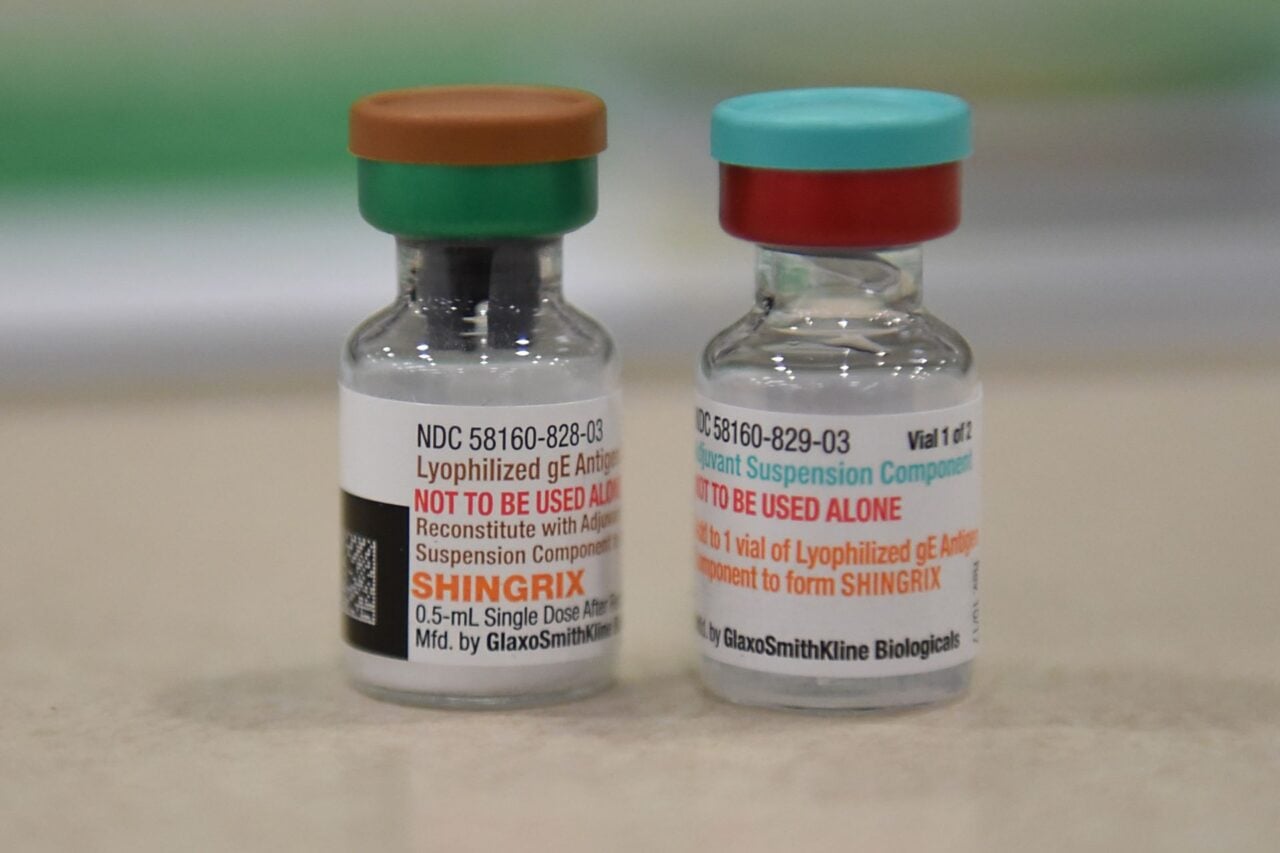
Research indicates that the shingles vaccine may provide significant benefits beyond preventing the painful viral infection. A study led by scientists at Stanford University has found that the vaccine can reduce the risk of developing dementia and improve outcomes for those diagnosed with the condition. The findings were published on October 3, 2023, in the journal Cell.
The research examined data from Wales, where a shingles vaccination program was implemented in 2013. Individuals born on or after September 2, 1933, were eligible for the vaccine, allowing researchers to effectively compare dementia rates between vaccinated individuals and those who were not eligible. This natural experiment provided a unique opportunity to assess the broader health impacts of the vaccine.
Vaccinated individuals were found to be 20% less likely to receive a dementia diagnosis over a seven-year period. Researchers focused not only on the prevention of dementia but also on the potential therapeutic effects of the vaccine among those already diagnosed. The study revealed that vaccinated individuals were less likely to develop mild cognitive impairment (MCI), the initial stage of dementia, and they faced lower mortality rates associated with dementia.
Assistant professor of medicine at Stanford, Pascal Geldsetzer, expressed enthusiasm about the findings. “This study suggests that vaccination slows or prevents disease progression across the entire disease course of dementia,” he stated. This unexpected outcome suggests that the shingles vaccine may have therapeutic potential, enhancing the quality of life for those living with dementia.
While these findings are promising, they do not conclusively prove that the shingles vaccine can directly influence dementia outcomes. The researchers acknowledge that further investigation is needed to fully understand the relationship between vaccination and cognitive health. Nonetheless, the accumulating evidence supports the notion that the shingles vaccine offers more extensive health benefits than previously realized.
In addition to the benefits related to dementia, recent studies have highlighted that shingles vaccination may also lower the risk of heart disease and stroke, further underscoring the vaccine’s value. As shingles can be one of the most painful conditions a person can experience, health officials recommend vaccination for all individuals starting at age 50.
The dual benefits of preventing shingles and potentially improving cognitive health provide compelling reasons for individuals to consider vaccination. As research continues to unfold, the shingles vaccine may emerge as a crucial tool not only in preventing a painful illness but also in supporting overall health and well-being.












Revolutionary Photonic Ski-Jump Could Miniaturize LiDAR Systems

Couples Detox from Plastics in New Netflix Doc: Can It Boost Fertility?

Aventon Launches Affordable Full-Suspension Electric Mountain Bike

Discover Eight Must-Try Restaurants This Spring Season

UC Irvine Team Unveils Innovative Ion Pump for Water Treatment

One-Third of Americans Trim Daily Expenses for Healthcare Needs

Apple Secures First Oscar in Three Years with F1: The Movie

Fourth Graders Celebrate St. Patrick’s Day with Creative Weather Drawings

Kim Kardashian Dazzles at Vanity Fair Oscars Party 2026

Nostradamus’ 2026 Predictions: Star Death and Dark Events Loom

Breakthroughs and Challenges Await Science in 2026

Electric Moto Influencer Surronster Arrested in Tijuana

OpenAI to Implement Age Verification for ChatGPT by December 2025

Discover the Top 10 Calorie Counting Apps of 2025

Bella Hadid Shares Health Update After Treatment for Lyme Disease

Analysts Project Stronger Growth for Apple’s iPhone 17 Lineup

Japanese Study Finds Rose Oil Can Increase Brain Gray Matter

Top 10 Penny Stocks to Watch in 2026 for Strong Returns
-
 Science3 months ago
Nostradamus’ 2026 Predictions: Star Death and Dark Events Loom
-
 Science3 months ago
Breakthroughs and Challenges Await Science in 2026
-
 Technology7 months ago
Electric Moto Influencer Surronster Arrested in Tijuana
-
 Technology4 months ago
OpenAI to Implement Age Verification for ChatGPT by December 2025
-
 Technology9 months ago
Discover the Top 10 Calorie Counting Apps of 2025
-
 Health7 months ago
Bella Hadid Shares Health Update After Treatment for Lyme Disease
-
 Health7 months ago
Analysts Project Stronger Growth for Apple’s iPhone 17 Lineup
-
 Health7 months ago
Japanese Study Finds Rose Oil Can Increase Brain Gray Matter
-
 Technology4 months ago
Top 10 Penny Stocks to Watch in 2026 for Strong Returns
-

 Science6 months ago
Starship V3 Set for 2026 Launch After Successful Final Test of Version 2
-

 Technology1 month ago
Nvidia GTC 2026: Major Announcements Expected for AI and Hardware
-

 Education7 months ago
Harvard Secures Court Victory Over Federal Funding Cuts