
Science
NASA Uncovers 26 New Microbes in Cleanrooms at Kennedy Space Center

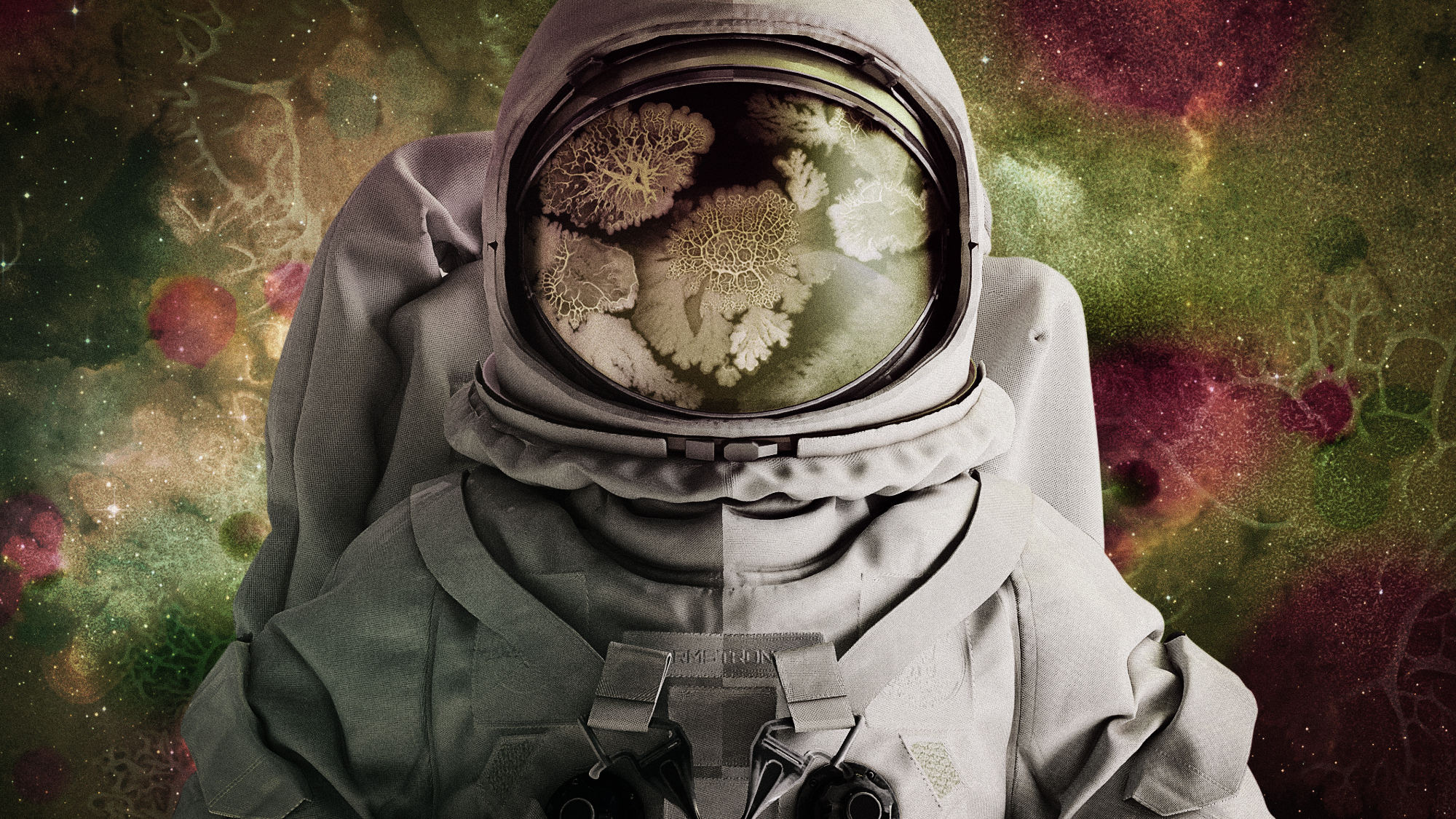
NASA has identified 26 previously unknown microbial species in its cleanrooms at the Kennedy Space Center in Florida. These discoveries highlight the resilience of extremophiles—microbes that thrive in extreme conditions—despite stringent contamination control measures in place during spacecraft assembly. This finding raises significant implications for future space missions.
Resilient Microbes Defy Sterilization Efforts
The study, published in the journal Microbiome, reveals that even under controlled environments designed to minimize dust and microorganisms, certain bacteria can persist. The cleanrooms employ strict protocols such as regulated airflow and rigorous cleaning processes. Yet, the findings indicate that resilient microorganisms can endure, posing potential risks for contamination during space missions.
Among the 26 microbes identified, one particularly noteworthy organism is Tersicoccus phoenicis. This bacterium has the ability to enter a dormant state to survive harsh conditions, including starvation. While inactive, it eludes standard detection methods used to monitor microbial presence in cleanrooms. As noted by Scientific American, this characteristic raises concerns about the microbes potentially hitching a ride on spacecraft intended to be free of Earth-based contaminants.
Implications for Space Exploration and Biotechnology
The implications of these findings extend beyond planetary protection. According to study co-author Alexandre Rosado, cleanrooms do not contain “no life,” but rather host rare species capable of persisting over time. These extremophiles could offer insights into survival strategies that might inform both space exploration and biotechnological advancements.
Junia Schultz, the lead author of the study, emphasized the dual nature of these discoveries. While they present challenges for ensuring planetary protection, they also open avenues for biotechnological innovation. The genes in these microbes could lead to advancements in food preservation and medicine. For instance, understanding how to prevent Tersicoccus phoenicis from entering dormancy could enhance the effectiveness of sterilization techniques and antibiotics.
The research suggests that environments like Mars could provide favorable conditions for these extremophiles to thrive. As astronauts strive to establish life on the red planet, they may inadvertently supply nutrients that could revive dormant microbes. This underscores the importance of understanding the microbial landscape in space exploration.
These resilient organisms may also serve as benchmark species for evaluating spacecraft decontamination strategies. By studying how these microbes interact with sterilization methods, scientists can validate the effectiveness of protocols designed to prevent contamination before launch.
The ongoing research into these microorganisms will not only enhance our understanding of life in extreme environments but may also pave the way for innovative solutions in both space exploration and biotechnology.









Discover Glass Art: Engaging Workshops at SiNaCa Studios

Explore Texas Craftsmanship at the 21st Grapevine Artisans Market

NASA Force Initiative Launches to Recruit Elite Tech Talent

Community Events Highlight Support Groups and Fundraisers

Genesis G90: A Luxurious Choice for Value-Conscious Buyers

Schools Tackle Chronic Absenteeism in Ashtabula County

Discover Lasting Love at the Becoming One Marriage Retreat

Study Unveils Inaccuracies of ‘Demon Slayer’ Bamboo Muzzle Design

Parents Voice Concerns Over Maine’s Proposed Changes to Child Services

Nostradamus’ 2026 Predictions: Star Death and Dark Events Loom

Breakthroughs and Challenges Await Science in 2026

OpenAI to Implement Age Verification for ChatGPT by December 2025

Discover the Top 10 Calorie Counting Apps of 2025

Electric Moto Influencer Surronster Arrested in Tijuana

Bella Hadid Shares Health Update After Treatment for Lyme Disease

Analysts Project Stronger Growth for Apple’s iPhone 17 Lineup

Top 10 Penny Stocks to Watch in 2026 for Strong Returns

Japanese Study Finds Rose Oil Can Increase Brain Gray Matter
-
 Science2 months ago
Nostradamus’ 2026 Predictions: Star Death and Dark Events Loom
-
 Science2 months ago
Breakthroughs and Challenges Await Science in 2026
-
 Technology3 months ago
OpenAI to Implement Age Verification for ChatGPT by December 2025
-
 Technology8 months ago
Discover the Top 10 Calorie Counting Apps of 2025
-
 Technology6 months ago
Electric Moto Influencer Surronster Arrested in Tijuana
-
 Health6 months ago
Bella Hadid Shares Health Update After Treatment for Lyme Disease
-
 Health6 months ago
Analysts Project Stronger Growth for Apple’s iPhone 17 Lineup
-
 Technology3 months ago
Top 10 Penny Stocks to Watch in 2026 for Strong Returns
-
 Health6 months ago
Japanese Study Finds Rose Oil Can Increase Brain Gray Matter
-

 Science5 months ago
Starship V3 Set for 2026 Launch After Successful Final Test of Version 2
-

 Education6 months ago
Harvard Secures Court Victory Over Federal Funding Cuts
-

 Health6 months ago
Erin Bates Shares Recovery Update Following Sepsis Complications