
Science
Five Groundbreaking Biological Discoveries Transforming Science

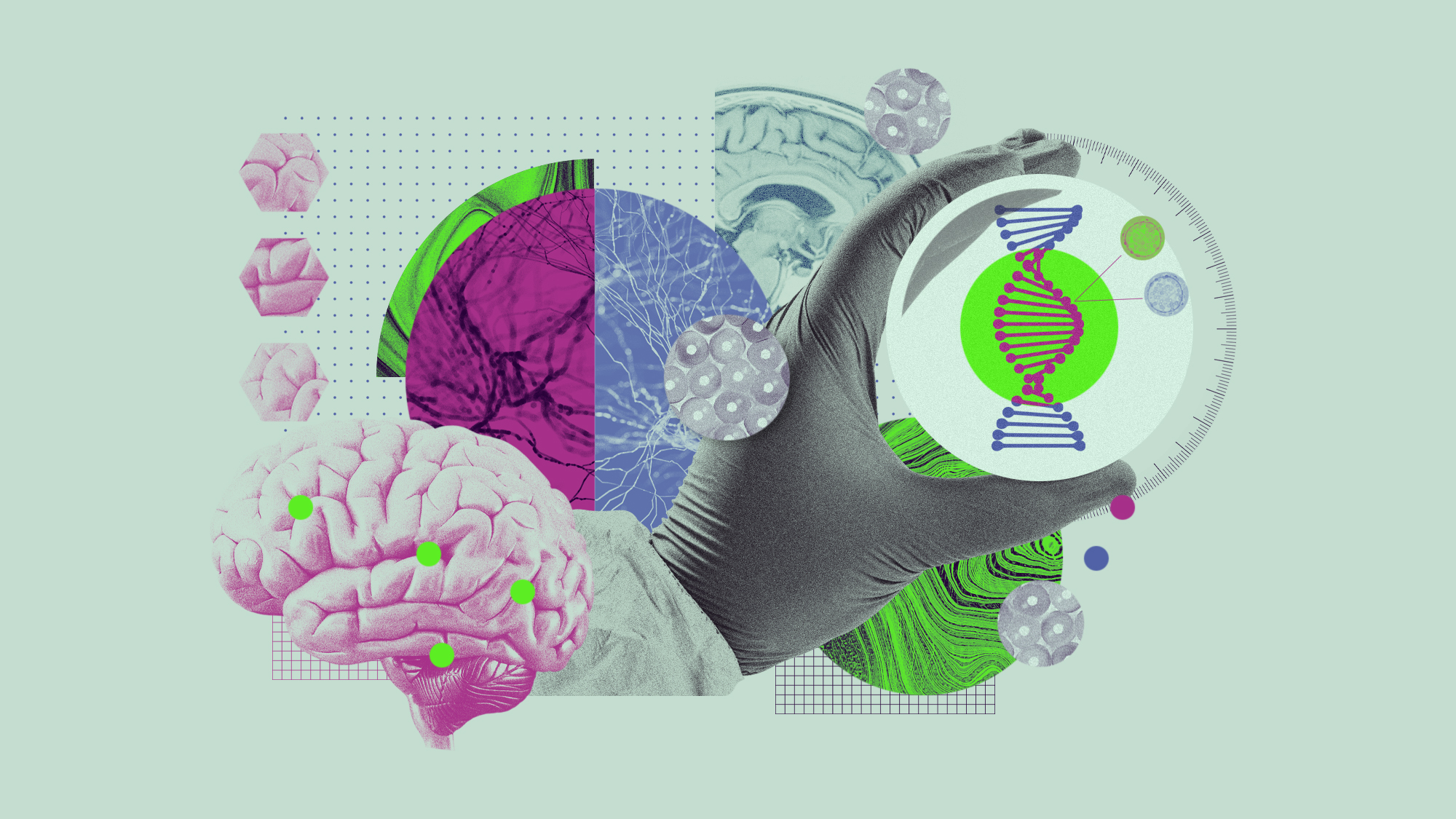
Research in biology is evolving rapidly, leading to significant breakthroughs that could reshape our understanding of health, species preservation, and scientific methodology. Here are five recent discoveries that highlight the potential for transformative change in the field.
Significant Advances in Huntington’s Disease Treatment
Researchers have made a remarkable advancement in treating Huntington’s disease, a hereditary neurodegenerative disorder, by slowing its progression by 75%. This condition causes a gradual decline in both mental and physical functions, and until recently, treatment options have been extremely limited. The new gene therapy, known as AMT-130, is administered through an intricate procedure lasting between eight to ten hours, according to Scientific American.
The therapy utilizes a genetically modified virus designed to deliver a specific DNA sequence directly into brain cells. This “safe virus” acts as a microscopic courier, effectively turning neurons into factories that produce their own treatment, thus averting cell death. Despite being in clinical trials and not yet widely available, this breakthrough has sparked hope within the medical community. Neurologist Victor Sung emphasized the significance of this development, stating, “We’ve had so many failures, and there’s been a lot of heartbreak over many years in this community.”
Innovative Techniques for Understanding Cellular Mechanisms
A new study published in the journal Nature Communications has introduced a method for observing cellular activity with unprecedented accuracy. Researchers at Cornell University developed a technique that employs natural proteins as sensors to monitor their environment without invasive procedures that could alter cell behavior.
The scientists successfully tracked flavoproteins, which are present in numerous organisms and possess magnetic properties detectable through electron spin resonance spectroscopy. This innovative approach can enhance our comprehension of biological mechanisms, particularly those related to diseases like cancer. Professor Brian Crane, an author of the study, noted, “One could conceivably track the assembly of a virus using this method to understand how and where its components are built within cells.”
Breakthrough in Kangaroo IVF for Conservation
In a significant achievement for conservation efforts, researchers have successfully produced the world’s first kangaroo embryo through in vitro fertilization (IVF). This pioneering work could play a crucial role in protecting endangered marsupial species in Australia. The technique involved observing the development of kangaroo eggs and sperm in a lab setting, followed by injecting a single sperm into a mature egg using intracytoplasmic sperm injection.
While the eastern grey kangaroo is not currently endangered, other marsupial species face significant threats. Research leader Andres Gambini stated, “Our ultimate goal is to support the preservation of endangered marsupial species like koalas, Tasmanian devils, northern hairy-nosed wombats, and Leadbeater’s possums.” Australia has the highest extinction rate of any continent in recent history, underscoring the urgency of these efforts.
Discovery of Ancient Microbial DNA
A team of researchers has made significant strides in paleogenomics by sequencing the DNA of various mammoth species, including 440 that had never been sequenced before. They also identified DNA from 310 different microbes associated with these creatures, as reported by Smithsonian Magazine and published in the journal Cell.
While much of the microbial DNA emerged post-mortem, the study identified six microbial groups that likely colonized the mammoths while they were alive over one million years ago. These host-associated microbes may have influenced the mammoths’ digestion, infection resistance, and adaptation to changing climates. The techniques developed could also be applied to other ancient remains, potentially leading to further discoveries about extinct species.
Virtual Labs: The Future of Scientific Research
A recent study published in Nature proposes a novel approach to scientific research through the use of artificial intelligence. Researchers have trained large language models (LLMs) to emulate the critical thinking processes of top-tier scientists. This development has led to the creation of a virtual laboratory where an LLM principal investigator guides a team of LLM scientist agents, with a human researcher providing high-level feedback.
In a demonstration of this technology, the virtual lab successfully devised a new vaccine approach for COVID-19 using nanobodies. This innovative methodology could expedite research, particularly through interdisciplinary collaborations. James Zou, an associate professor of biomedical data science and the study’s lead author, highlighted the importance of such collaborations, stating, “Good science happens when we have deep, interdisciplinary collaborations where people from different backgrounds work together.”
These breakthroughs in biology not only advance scientific understanding but also offer hope for future applications that could significantly impact health, conservation, and research methodologies.







Asana Emphasizes Shared Memory for Effective AI Integration

Aurora Schools Contract Criticized for Lack of Academic Standards

Join the Fight Against Cancer at 24th Annual Candler Clays

Transparent Windows Offer New Shield Against Electromagnetic Pulses

Vermillion Fire EMS and LifeServe Blood Center Launch Blood Program

Transparent Windows Offer Protection Against Electromagnetic Pulses

Ohio School District Aims to Exit Academic Distress Status

James Webb Space Telescope Unveils Earliest Galaxy Cluster Yet

Black Men Confront Prostate Cancer: Jerry McCormick’s Journey

Nostradamus’ 2026 Predictions: Star Death and Dark Events Loom

OpenAI to Implement Age Verification for ChatGPT by December 2025

Discover the Top 10 Calorie Counting Apps of 2025

Bella Hadid Shares Health Update After Treatment for Lyme Disease

Analysts Project Stronger Growth for Apple’s iPhone 17 Lineup

Electric Moto Influencer Surronster Arrested in Tijuana

Harvard Secures Court Victory Over Federal Funding Cuts

Erin Bates Shares Recovery Update Following Sepsis Complications

Meta Initiates $60B AI Data Center Expansion, Starting in Ohio
-
 Science1 month ago
Nostradamus’ 2026 Predictions: Star Death and Dark Events Loom
-
 Technology2 months ago
OpenAI to Implement Age Verification for ChatGPT by December 2025
-
 Technology7 months ago
Discover the Top 10 Calorie Counting Apps of 2025
-
 Health5 months ago
Bella Hadid Shares Health Update After Treatment for Lyme Disease
-
 Health5 months ago
Analysts Project Stronger Growth for Apple’s iPhone 17 Lineup
-
 Technology5 months ago
Electric Moto Influencer Surronster Arrested in Tijuana
-
 Education5 months ago
Harvard Secures Court Victory Over Federal Funding Cuts
-
 Health5 months ago
Erin Bates Shares Recovery Update Following Sepsis Complications
-
 Technology7 months ago
Meta Initiates $60B AI Data Center Expansion, Starting in Ohio
-

 Technology6 months ago
Discover How to Reverse Image Search Using ChatGPT Effortlessly
-

 Science4 months ago
Starship V3 Set for 2026 Launch After Successful Final Test of Version 2
-

 Technology7 months ago
Recovering a Suspended TikTok Account: A Step-by-Step Guide