
Science
Fit 50-Year-Old Suffers Stroke Linked to Energy Drink Habit

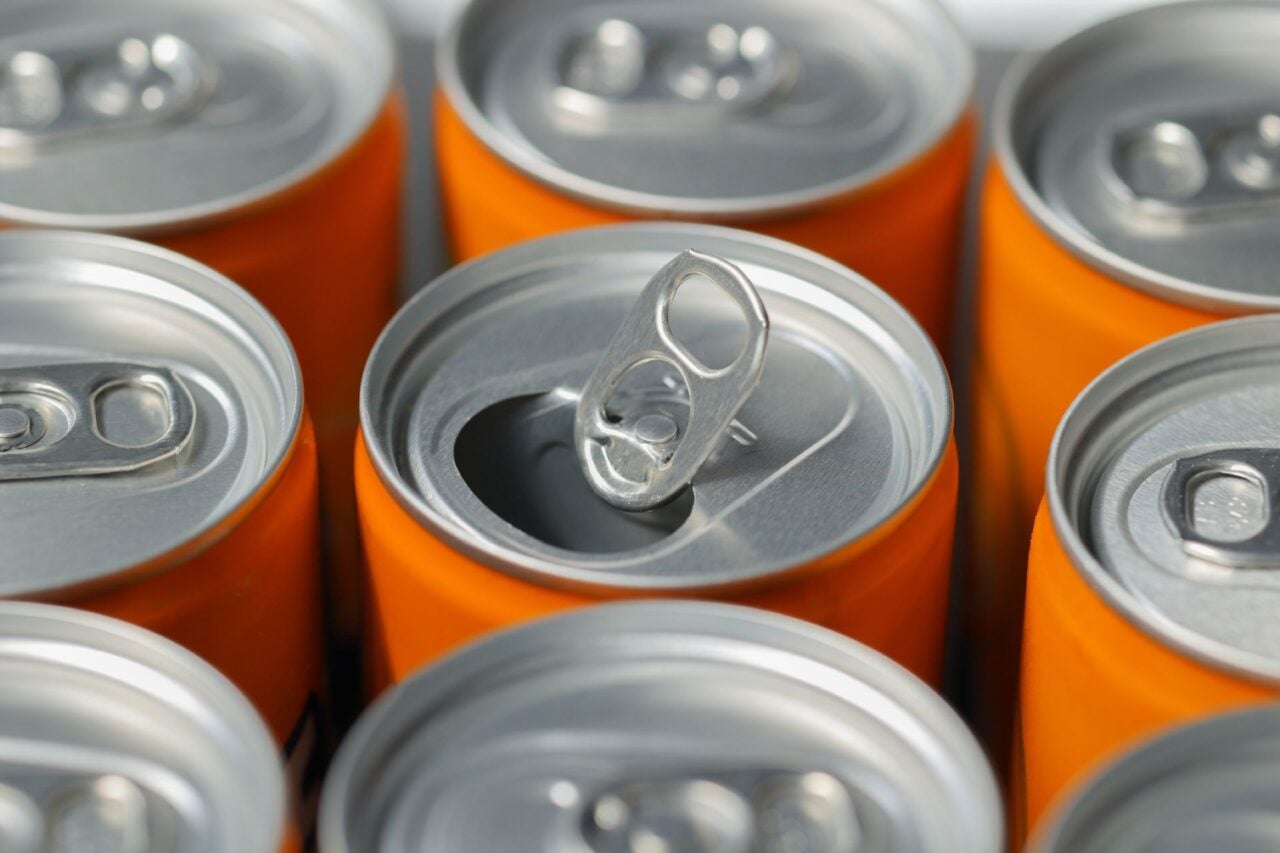
A recent case study highlights the potential dangers of excessive energy drink consumption, revealing that a fit 50-year-old man in the UK suffered a stroke likely linked to his habit of consuming eight energy drinks daily. Despite his recovery, the man continues to experience lingering symptoms years later, prompting doctors to urge greater awareness of the cardiovascular risks associated with these beverages.
The study, published in BMJ Case Reports, details the man’s admission to the hospital after he experienced sudden numbness on his left side and instability. Alarmingly, his blood pressure was recorded at 254/150, significantly higher than the normal range of 120/80. Tests confirmed that he had suffered a mild stroke, resulting in a three-day hospital stay where he received medication to manage his blood pressure.
During subsequent follow-up visits, the man showed remarkable recovery but continued to struggle with high blood pressure despite treatment. His lifestyle choices were examined closely, leading to the revelation of his substantial energy drink intake. Each drink contained approximately 160 milligrams of caffeine, amounting to over 1.3 grams of caffeine each day—more than three times the maximum recommended limit of 400 milligrams for adults.
Martha Doyle, a stroke doctor at Nottingham University Hospitals NHS Trust, emphasized the connection between the man’s energy drink consumption and his stroke, stating, “We attribute this patient’s stroke to the effects of his energy drink consumption because through thorough investigations using multiple diagnostic methods we ruled out any other identifiable cause.”
Following the diagnosis, the man agreed to eliminate energy drinks from his diet. Remarkably, within a week, his blood pressure began to normalise, and he was able to discontinue his antihypertensive medications. Eight years later, his blood pressure remains stable, although he still experiences some residual numbness.
Doctors point to several reasons why energy drinks may elevate stroke risk. The high caffeine content can lead to chronic hypertension and may cause sudden narrowing of blood vessels or trigger arrhythmias. Ingredients like taurine and ginseng can amplify caffeine’s effects, while guarana may contain undisclosed amounts of caffeine.
There have been notable incidents linking energy drinks to severe cardiovascular issues. Between 2022 and 2023, at least two heart-related fatalities in the United States were associated with Panera Bread’s “Charged Lemonade.” Following these events, the company removed the product from its menu and settled lawsuits related to these cases.
Despite these alarming reports, awareness of the health risks associated with energy drinks remains low among the public. Doyle noted the need for increased regulation and transparency regarding energy drinks, especially as they are often marketed to younger audiences. “Whether health authorities should be actively intervening we cannot definitively conclude from our reporting of just this case,” she stated. “However, it would be beneficial to get this out there so if any similar cases exist, they can be brought to attention.”
In light of this case, the message is clear: consumers should be vigilant about their caffeine intake. As one patient perspective highlighted, “I obviously wasn’t aware of the dangers drinking energy drinks were causing to myself.” The public deserves to know the potential health consequences of their dietary choices, especially when it comes to high-caffeine products.










Revolutionary Photonic Ski-Jump Could Miniaturize LiDAR Systems

Couples Detox from Plastics in New Netflix Doc: Can It Boost Fertility?

Aventon Launches Affordable Full-Suspension Electric Mountain Bike

Discover Eight Must-Try Restaurants This Spring Season

UC Irvine Team Unveils Innovative Ion Pump for Water Treatment

One-Third of Americans Trim Daily Expenses for Healthcare Needs

Apple Secures First Oscar in Three Years with F1: The Movie

Fourth Graders Celebrate St. Patrick’s Day with Creative Weather Drawings

Kim Kardashian Dazzles at Vanity Fair Oscars Party 2026

Nostradamus’ 2026 Predictions: Star Death and Dark Events Loom

Breakthroughs and Challenges Await Science in 2026

Electric Moto Influencer Surronster Arrested in Tijuana

OpenAI to Implement Age Verification for ChatGPT by December 2025

Discover the Top 10 Calorie Counting Apps of 2025

Bella Hadid Shares Health Update After Treatment for Lyme Disease

Analysts Project Stronger Growth for Apple’s iPhone 17 Lineup

Japanese Study Finds Rose Oil Can Increase Brain Gray Matter

Top 10 Penny Stocks to Watch in 2026 for Strong Returns
-
 Science3 months ago
Nostradamus’ 2026 Predictions: Star Death and Dark Events Loom
-
 Science4 months ago
Breakthroughs and Challenges Await Science in 2026
-
 Technology7 months ago
Electric Moto Influencer Surronster Arrested in Tijuana
-
 Technology4 months ago
OpenAI to Implement Age Verification for ChatGPT by December 2025
-
 Technology9 months ago
Discover the Top 10 Calorie Counting Apps of 2025
-
 Health7 months ago
Bella Hadid Shares Health Update After Treatment for Lyme Disease
-
 Health7 months ago
Analysts Project Stronger Growth for Apple’s iPhone 17 Lineup
-
 Health7 months ago
Japanese Study Finds Rose Oil Can Increase Brain Gray Matter
-
 Technology4 months ago
Top 10 Penny Stocks to Watch in 2026 for Strong Returns
-

 Science6 months ago
Starship V3 Set for 2026 Launch After Successful Final Test of Version 2
-

 Technology1 month ago
Nvidia GTC 2026: Major Announcements Expected for AI and Hardware
-

 Education7 months ago
Harvard Secures Court Victory Over Federal Funding Cuts