
Science
Cornell Project Secures $250,000 Grant for Innovative TB Testing Device


A team from Cornell University has received a grant of $250,000 from the Gates Foundation to develop an innovative device aimed at improving tuberculosis (TB) diagnostics. The project, spearheaded by the university’s Center for Point of Care Technologies for Nutrition, Infection and Cancer (PORTENT), focuses on creating a low-cost, battery-operated device called the MAGNILyser. This device is intended for areas with limited laboratory access and infrastructure, thereby increasing the accessibility of TB testing in underserved regions.
The MAGNILyser is designed to simplify the sample preparation process for TB testing. It works by heating bacteria to make them safe for handling and subsequently breaking them open to release DNA, which is critical for accurate molecular detection of the disease. Tuberculosis, a significant global health threat, is responsible for millions of infections and deaths worldwide each year.
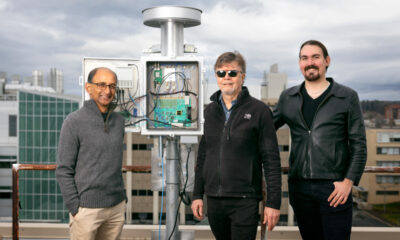
David Erickson, the director of PORTENT and the S.C. Thomas Sze Director of the Sibley School of Mechanical and Aerospace Engineering at Cornell, leads the initiative. He collaborates with Saurabh Mehta, a professor in the Division of Nutritional Sciences at the College of Human Ecology, and Dr. Aggrey S. Semeere, head of Prevention, Care and Treatment at the Infectious Diseases Institute (IDI)Kampala, Uganda.
The concept for the MAGNILyser originated from graduate student Jason Manning in Erickson’s lab. As Erickson explains, this approach aims to combine heat inactivation and mechanical lysis into a single mechanism. The goal is to create a portable, battery-powered device that is suitable for resource-limited settings, thus minimizing the barriers to effective TB testing.
Current TB diagnostic methods require large, energy-intensive equipment and trained personnel, which are often unavailable in low- and middle-income countries. By focusing on miniaturizing and automating sample preparation, the Cornell team hopes to enhance the accuracy and accessibility of TB diagnoses in rural areas.
“The MAGNILyser enables on-site patient sample processing for decentralized testing in the locations where improved TB testing is most needed,” Erickson stated. “For clinicians, the device promises a low-cost, automated workflow to prepare PCR-ready specimens for quicker diagnosis.”
Over the next two years, the Cornell team will develop functional prototypes of the MAGNILyser and validate their performance through laboratory testing, assessing factors such as inactivation efficiency and DNA yield. Following this, field usability and reliability testing will be conducted in collaboration with IDI in Kampala, focusing on real-world application and ease of use.
With the support of PORTENT’s global network, which includes scientists, engineers, and clinicians from Uganda, India, Ecuador, and the United States, the project will utilize the center’s Lab-to-Market Accelerator. This initiative will provide guidance on regulatory strategies and business planning, facilitating the transition of MAGNILyser from a laboratory prototype to a deployable diagnostic tool.
“The MAGNILyser project reflects PORTENT’s commitment to global health innovation by transforming laboratory technology into practical tools that can create real-world impacts, particularly in low-resource and point-of-care settings,” Erickson noted. He emphasized that their aim is to minimize both device and per-sample costs, thereby increasing access to diagnostics for rural and low-income communities that often remain underserved.
Through its integrated approach, PORTENT not only develops breakthrough point-of-care diagnostics but also works to ensure that these innovations can reduce the burden of chronic diseases, curb infectious threats, and strengthen prevention efforts across various regions. By linking technology development with clinical validation, training, and effective market strategies, PORTENT accelerates the early detection of multiple health conditions, ultimately improving patient outcomes and lowering healthcare costs.








Amazon’s Ring Launches AI Feature, Sparking Privacy Debates

College of the Redwoods Celebrates Growth and Community Impact

Gallery Coffee Roasters Wins Best Coffee Title for 2025 in Yolo County

Italian Scientists 3D Print Controversial Pastries from Lab Ingredients

Food Giants Challenge Regulation’s Impact on Grocery Prices

Ozak AI Raises $5.1 Million as Presale Nears $5.5 Million Milestone

RIKEN Researchers Develop Carbon Nanotubes for Quantum Light Sources

Michigan Schools Introduce Firearm Safety Courses Under New Law

Plainfield Police Department Delivers Joy to 126 Children This Holiday Season

Discover the Top 10 Calorie Counting Apps of 2025

OpenAI to Implement Age Verification for ChatGPT by December 2025

Bella Hadid Shares Health Update After Treatment for Lyme Disease

Analysts Project Stronger Growth for Apple’s iPhone 17 Lineup

Erin Bates Shares Recovery Update Following Sepsis Complications

Discover How to Reverse Image Search Using ChatGPT Effortlessly

Electric Moto Influencer Surronster Arrested in Tijuana

Meta Initiates $60B AI Data Center Expansion, Starting in Ohio

Discover 2025’s Top GPUs for Exceptional 4K Gaming Performance
-
 Technology5 months ago
Discover the Top 10 Calorie Counting Apps of 2025
-
 Technology3 weeks ago
OpenAI to Implement Age Verification for ChatGPT by December 2025
-
 Health3 months ago
Bella Hadid Shares Health Update After Treatment for Lyme Disease
-
 Health4 months ago
Analysts Project Stronger Growth for Apple’s iPhone 17 Lineup
-
 Health4 months ago
Erin Bates Shares Recovery Update Following Sepsis Complications
-
 Technology5 months ago
Discover How to Reverse Image Search Using ChatGPT Effortlessly
-
 Technology3 months ago
Electric Moto Influencer Surronster Arrested in Tijuana
-
 Technology5 months ago
Meta Initiates $60B AI Data Center Expansion, Starting in Ohio
-
 Technology2 months ago
Discover 2025’s Top GPUs for Exceptional 4K Gaming Performance
-

 Technology5 months ago
Recovering a Suspended TikTok Account: A Step-by-Step Guide
-

 Health5 months ago
Tested: Rab Firewall Mountain Jacket Survives Harsh Conditions
-

 Lifestyle5 months ago
Belton Family Reunites After Daughter Survives Hill Country Floods