
Science
AST SpaceMobile Unveils Largest Satellite to Compete with Starlink


AST SpaceMobile, a Texas-based startup, successfully launched its largest satellite, BlueBird 6, on December 23, 2023, at 22:25 ET. This launch, conducted aboard India’s LVM3 rocket from the Satish Dhawan Space Center, marks a significant milestone in the company’s effort to establish a space-based cellular broadband network directly accessible by mobile phones. BlueBird 6 is approximately three times larger than its predecessors, solidifying its position as the largest commercial satellite currently in Earth orbit.
The launch of BlueBird 6 is a pivotal step in AST SpaceMobile’s plans to compete with SpaceX‘s Starlink in the burgeoning space connectivity market. The satellite is the first of a new generation designed to support high-speed mobile data services. This move comes after the successful deployment of the company’s prototype satellite, BlueWalker 3, in September 2022, which validated the concept of establishing cellphone towers in orbit.
Next-Generation Capabilities
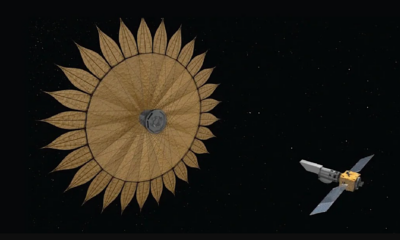
BlueBird 6 is not just about size; it represents a leap in capabilities. The satellite’s array will expand to an impressive 2,400 square feet (approximately 223 square meters) after deployment. This is a significant increase from the previous model, which featured a 693 square feet (about 64 square meters) array. The enhanced design is expected to provide robust performance, with each satellite supporting 10 gigahertz of bandwidth and data speeds of up to 120 megabytes per second per cellphone.
AST SpaceMobile aims to deploy an additional 45 to 60 next-generation satellites by the end of 2026. This expansion is anticipated to enable the company to offer 5G data services across the United States and other initial markets. The innovative approach of direct-to-cell service, which requires no additional hardware, gives AST a competitive edge in the satellite communications landscape.
Competitive Landscape and Industry Challenges
While AST SpaceMobile is positioning itself to challenge SpaceX, the latter currently operates over 9,000 satellites, accounting for approximately 60% of the total satellites in orbit. Despite this, AST’s BlueBird satellites have larger antennas, which could enhance their connectivity capabilities.
The rivalry has intensified, with both companies engaged in a public dispute. Earlier this year, SpaceX expressed concerns to the Federal Communications Commission (FCC) regarding AST SpaceMobile’s operations, claiming they threaten the sustainability of low Earth orbit. In response, AST has accused SpaceX of using intimidation tactics against its competitors.
As both companies continue to deploy satellites, the increasing number of objects in orbit raises concerns about the visibility of the night sky. The competition between AST SpaceMobile and SpaceX highlights the growing significance of satellite-based communication solutions and the challenges that come with expanding this technology.
The future of satellite communications is clearly evolving, with the launch of BlueBird 6 marking a notable chapter in this ongoing story. As technology advances, the implications for connectivity and global communications will become even more profound.










China’s “Frankenstein” EUV Scanner Fails to Produce Chips

South Elgin High Student Wins ECC Math Contest; U-46 Announces Promotions

Tampa’s Pride Events Set to Return with New Volunteer Organization

How to Successfully Appeal a Denied Medicare Claim: A Step-by-Step Guide

Lexus IS 2026 Model Price Increases Nearly $5,000 with New V6 Engine

Jujutsu Kaisen Season 3 Set to Introduce New Character Higuruma

Top Photos from 2025 Picturing Rising Tides Campaign Announced

AST SpaceMobile Unveils Largest Satellite to Compete with Starlink

Federal Judge Halts West Virginia’s Food Dye Ban Before Enforcement

Discover the Top 10 Calorie Counting Apps of 2025

OpenAI to Implement Age Verification for ChatGPT by December 2025

Bella Hadid Shares Health Update After Treatment for Lyme Disease

Analysts Project Stronger Growth for Apple’s iPhone 17 Lineup

Erin Bates Shares Recovery Update Following Sepsis Complications

Discover How to Reverse Image Search Using ChatGPT Effortlessly

Electric Moto Influencer Surronster Arrested in Tijuana

Meta Initiates $60B AI Data Center Expansion, Starting in Ohio

Recovering a Suspended TikTok Account: A Step-by-Step Guide
-
 Technology5 months ago
Discover the Top 10 Calorie Counting Apps of 2025
-
 Technology4 weeks ago
OpenAI to Implement Age Verification for ChatGPT by December 2025
-
 Health3 months ago
Bella Hadid Shares Health Update After Treatment for Lyme Disease
-
 Health4 months ago
Analysts Project Stronger Growth for Apple’s iPhone 17 Lineup
-
 Health4 months ago
Erin Bates Shares Recovery Update Following Sepsis Complications
-
 Technology5 months ago
Discover How to Reverse Image Search Using ChatGPT Effortlessly
-
 Technology3 months ago
Electric Moto Influencer Surronster Arrested in Tijuana
-
 Technology5 months ago
Meta Initiates $60B AI Data Center Expansion, Starting in Ohio
-
 Technology5 months ago
Recovering a Suspended TikTok Account: A Step-by-Step Guide
-

 Technology2 months ago
Discover 2025’s Top GPUs for Exceptional 4K Gaming Performance
-

 Health5 months ago
Tested: Rab Firewall Mountain Jacket Survives Harsh Conditions
-

 Lifestyle5 months ago
Belton Family Reunites After Daughter Survives Hill Country Floods