
Lifestyle
South Korean Actor Ahn Sung-ki Passes Away at 74 After Illness

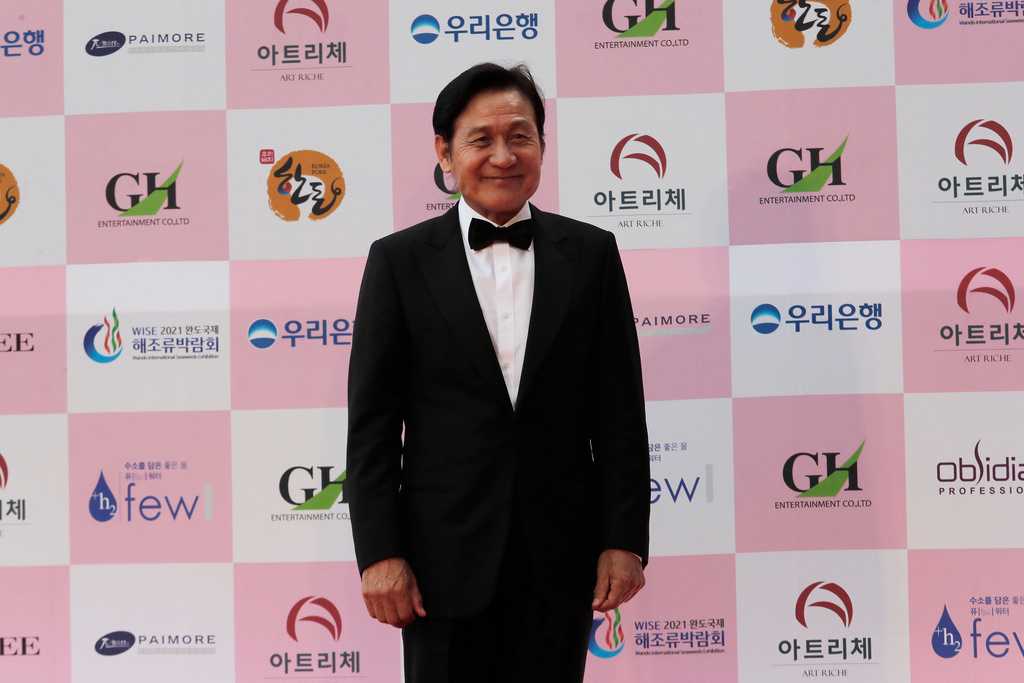
Ahn Sung-ki, a luminary of South Korean cinema known as “The Nation’s Actor,” has passed away at the age of 74. His death, attributed to years of battling blood cancer, was confirmed on Monday by his agency, the Artist Company, and Soonchunhyang University Hospital in Seoul. Ahn’s family and colleagues expressed their deep sorrow, offering condolences to his loved ones during this difficult time.
A Prolific Career and Beloved Public Persona
Born in 1952 in the southeastern city of Daegu, Ahn made his acting debut as a child in the movie “The Twilight Train” in 1957. Over the next few years, he appeared in approximately 70 films before stepping away from the spotlight to pursue a more conventional life. He studied at Hankuk University of Foreign Studies, graduating with top honors in Vietnamese, only to find limited job opportunities following the Vietnam War.
In 1977, Ahn returned to acting, believing in his potential to shine. His breakthrough came in 1980 with a lead role in Lee Jang-ho’s hit film “Good, Windy Days,” which captured the struggles of working-class men during South Korea’s rapid industrialization. Ahn’s performance earned him the best new actor award at the prestigious Grand Bell Awards, marking the beginning of a celebrated career that spanned over six decades.
Ahn starred in numerous acclaimed films throughout the 1980s and 1990s, showcasing his versatility across various genres. Iconic roles included a Buddhist monk in “Mandara” (1981), a beggar in “Whale Hunting” (1984), and a Vietnam War veteran in “White Badge” (1992). His compelling portrayals earned him widespread recognition and multiple awards, including five best actor titles at the Grand Bell Awards, a record unmatched by any other South Korean actor.
A Legacy of Humility and Family Values
Known for his humble demeanor and family-oriented values, Ahn maintained a scandal-free public life that earned him the affection of audiences. Surveys repeatedly identified him as South Korea’s most beloved actor, and he embraced the title of “The Nation’s Actor,” which he initially found confining but later acknowledged as a guiding force in his career.
In a 2023 interview with Yonhap News Agency, Ahn reflected on the impact of this title, stating, “I felt I should do something that could match that title. But I think that has eventually guided me on a good direction.” His dedication to his craft was evident, as he often expressed discomfort with romantic scenes, attributing his reluctance to shyness and a desire to remain authentic in his performances.
Ahn is survived by his wife and two sons. A mourning station has been established at the Seoul hospital, where fans and colleagues can pay their respects until Friday. His passing marks the end of an era in South Korean cinema, leaving behind a legacy of profound influence and cherished memories for fans and fellow artists alike.













Revolutionary Photonic Ski-Jump Could Miniaturize LiDAR Systems

Couples Detox from Plastics in New Netflix Doc: Can It Boost Fertility?

Aventon Launches Affordable Full-Suspension Electric Mountain Bike

Discover Eight Must-Try Restaurants This Spring Season

UC Irvine Team Unveils Innovative Ion Pump for Water Treatment

One-Third of Americans Trim Daily Expenses for Healthcare Needs

Apple Secures First Oscar in Three Years with F1: The Movie

Fourth Graders Celebrate St. Patrick’s Day with Creative Weather Drawings

Kim Kardashian Dazzles at Vanity Fair Oscars Party 2026

Nostradamus’ 2026 Predictions: Star Death and Dark Events Loom

Breakthroughs and Challenges Await Science in 2026

Electric Moto Influencer Surronster Arrested in Tijuana

OpenAI to Implement Age Verification for ChatGPT by December 2025

Discover the Top 10 Calorie Counting Apps of 2025

Bella Hadid Shares Health Update After Treatment for Lyme Disease

Analysts Project Stronger Growth for Apple’s iPhone 17 Lineup

Japanese Study Finds Rose Oil Can Increase Brain Gray Matter

Top 10 Penny Stocks to Watch in 2026 for Strong Returns
-
 Science3 months ago
Nostradamus’ 2026 Predictions: Star Death and Dark Events Loom
-
 Science3 months ago
Breakthroughs and Challenges Await Science in 2026
-
 Technology7 months ago
Electric Moto Influencer Surronster Arrested in Tijuana
-
 Technology4 months ago
OpenAI to Implement Age Verification for ChatGPT by December 2025
-
 Technology9 months ago
Discover the Top 10 Calorie Counting Apps of 2025
-
 Health7 months ago
Bella Hadid Shares Health Update After Treatment for Lyme Disease
-
 Health7 months ago
Analysts Project Stronger Growth for Apple’s iPhone 17 Lineup
-
 Health7 months ago
Japanese Study Finds Rose Oil Can Increase Brain Gray Matter
-
 Technology4 months ago
Top 10 Penny Stocks to Watch in 2026 for Strong Returns
-

 Science6 months ago
Starship V3 Set for 2026 Launch After Successful Final Test of Version 2
-

 Technology1 month ago
Nvidia GTC 2026: Major Announcements Expected for AI and Hardware
-

 Education7 months ago
Harvard Secures Court Victory Over Federal Funding Cuts