
Lifestyle
Protect Your Garage from Rodents This Holiday Season: Expert Tips

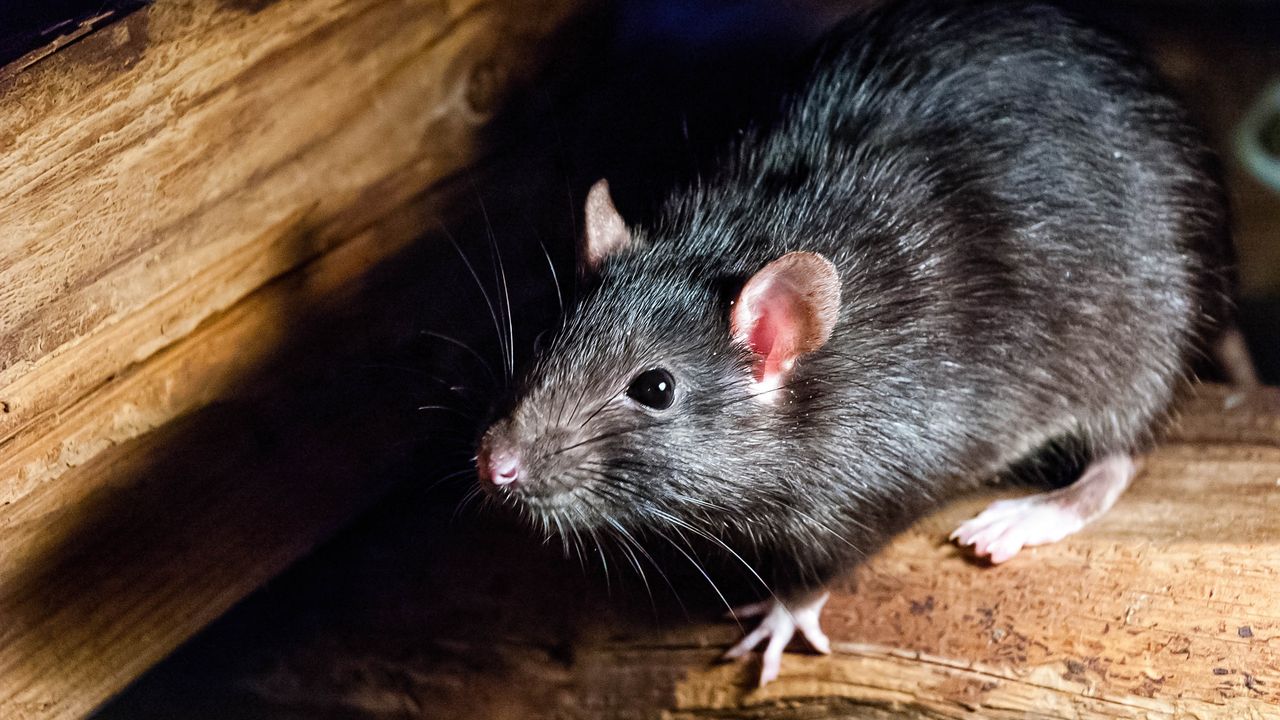
Rodents can wreak havoc in your garage, especially during the holiday season when festive food supplies are stored. Signs of infestation, such as droppings and chew marks, signal that immediate action is needed. To help homeowners avoid unwanted guests this time of year, expert Simon Taylor from Garage Experts Lidget Compton offers essential advice on preventing rodent entry and maintaining a pest-free environment.
Many people store holiday treats in their garages, but this can attract rodents. “These foods, especially indulgent festive foods, are very attractive to rodents, who are likely to find them in garages as they have a very good sense of smell,” Taylor cautions. Once rodents discover a food source, they are more likely to return, leading to potential infestations that can damage not only food but also property.
To protect your home and belongings, consider these three expert tips.
1. Inspect for Entry Points
The first step in rodent prevention is to inspect your garage for possible entry points. Rodents can squeeze through surprisingly small gaps, making it crucial to check around the perimeter of your home. This includes looking for holes in brickwork, gaps around the garage foundation, and spaces around the HVAC system.
“Pests such as rodents can squeeze through very tight gaps, so any small holes or spaces available could allow them entry,” Taylor explains. Regularly check the rubber seal on your garage door; if it shows signs of wear, replace it promptly. For temporary fixes, plugging gaps with copper mesh can be effective, as rodents struggle to chew through this material.
2. Keep Your Garage Clean and Clutter-Free
A clean garage is less appealing to rodents. Remove any food sources and clutter that might attract these pests. Old cardboard boxes and storage items create hiding spots, making it essential to maintain a tidy environment.
“Always keep the floor and space clean and mess-free to make your garage less appealing to rodents,” Taylor advises. Store items off the floor using shelving and keep trash cans away from the garage to eliminate easy access points for rodents.
3. Store Firewood Off the Floor
While it may seem convenient to keep firewood in the garage, it can provide shelter for rodents. Taylor emphasizes that firewood should be stored off the floor to prevent it from becoming a nesting site.
“Firewood provides good shelter for rodents, so they may seek it out as an ideal place to set up camp,” Taylor warns. Store firewood on shelves or in an outdoor log store, away from valuable items such as cars and power tools. If necessary, elevate lumber on stringers to keep it dry and covered with weather-proof material.
Taking these precautions can significantly reduce the likelihood of a rodent infestation in your garage this holiday season. If you suspect rodent activity, reaching out to local pest control services for guidance is always a prudent choice.
By implementing these expert strategies, homeowners can enjoy a festive season free from the stress of rodent invasions.

Discover Glass Art: Engaging Workshops at SiNaCa Studios

Explore Texas Craftsmanship at the 21st Grapevine Artisans Market

NASA Force Initiative Launches to Recruit Elite Tech Talent

Community Events Highlight Support Groups and Fundraisers

Genesis G90: A Luxurious Choice for Value-Conscious Buyers

Schools Tackle Chronic Absenteeism in Ashtabula County

Discover Lasting Love at the Becoming One Marriage Retreat

Study Unveils Inaccuracies of ‘Demon Slayer’ Bamboo Muzzle Design

Parents Voice Concerns Over Maine’s Proposed Changes to Child Services

Nostradamus’ 2026 Predictions: Star Death and Dark Events Loom

Breakthroughs and Challenges Await Science in 2026

OpenAI to Implement Age Verification for ChatGPT by December 2025

Discover the Top 10 Calorie Counting Apps of 2025

Electric Moto Influencer Surronster Arrested in Tijuana

Bella Hadid Shares Health Update After Treatment for Lyme Disease

Analysts Project Stronger Growth for Apple’s iPhone 17 Lineup

Top 10 Penny Stocks to Watch in 2026 for Strong Returns

Japanese Study Finds Rose Oil Can Increase Brain Gray Matter
-
 Science2 months ago
Nostradamus’ 2026 Predictions: Star Death and Dark Events Loom
-
 Science2 months ago
Breakthroughs and Challenges Await Science in 2026
-
 Technology3 months ago
OpenAI to Implement Age Verification for ChatGPT by December 2025
-
 Technology8 months ago
Discover the Top 10 Calorie Counting Apps of 2025
-
 Technology6 months ago
Electric Moto Influencer Surronster Arrested in Tijuana
-
 Health6 months ago
Bella Hadid Shares Health Update After Treatment for Lyme Disease
-
 Health6 months ago
Analysts Project Stronger Growth for Apple’s iPhone 17 Lineup
-
 Technology3 months ago
Top 10 Penny Stocks to Watch in 2026 for Strong Returns
-
 Health6 months ago
Japanese Study Finds Rose Oil Can Increase Brain Gray Matter
-

 Science5 months ago
Starship V3 Set for 2026 Launch After Successful Final Test of Version 2
-

 Education6 months ago
Harvard Secures Court Victory Over Federal Funding Cuts
-

 Health6 months ago
Erin Bates Shares Recovery Update Following Sepsis Complications