
Lifestyle
Poland’s Complex Journey: Confronting Jewish Memory and History

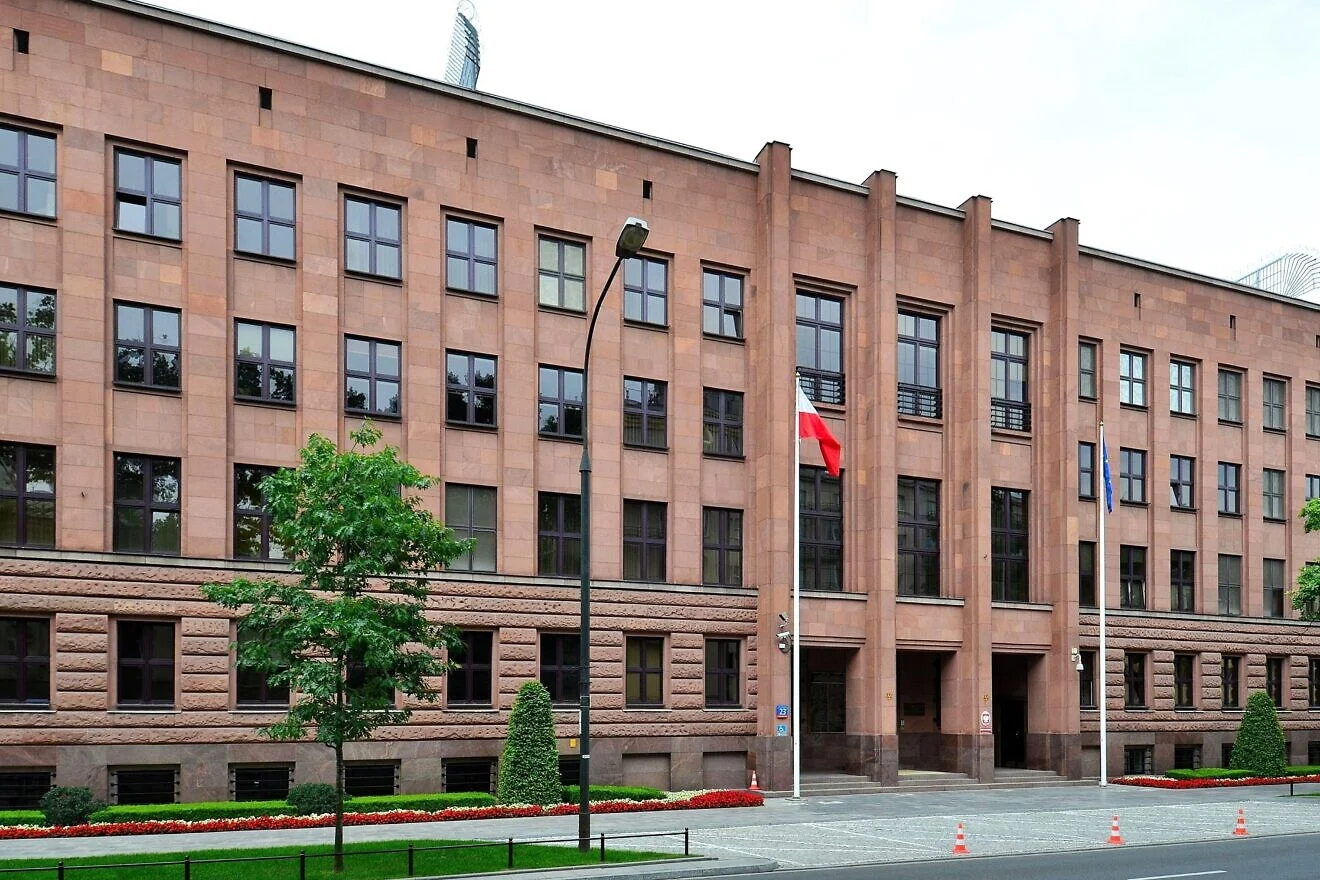
Poland is at a crossroads as it navigates its complex relationship with Jewish memory and history. The country, which was the epicenter of the Holocaust, grapples with how to reconcile its past with the present. While Poland has made strides in Holocaust education and the restoration of Jewish heritage sites, it remains a nation still grappling with the psychological aftermath of Nazi occupation.
Poland’s Ministry of Foreign Affairs has become a focal point for discussions about this intricate relationship. Many Jewish communities abroad frequently inquire about the current state of Poland and how Jews should relate to the country. This inquiry speaks to a broader confusion about Poland’s identity in the wake of its historical legacy.
Historical Context and National Memory
Poland’s history during World War II is marked by extreme suffering. The country witnessed the deaths of approximately 3 million Polish Jews during the Holocaust, alongside around 3 million non-Jewish Polish citizens. The war not only decimated its population but also transformed its borders and societal structure. As Poland emerged from the war, it faced an identity crisis, with a landscape altered and communities uprooted.
This shared geography of suffering creates a delicate tension. Many Poles are defensive when confronted with accusations of complicity in the Holocaust. They fear that Jewish memory may overshadow Polish suffering. Beneath this defensiveness lies a profound anxiety: the worry that Poland’s pain is being subjected to moral judgment.
While Poland did not collaborate with Nazi Germany as a state, the individual actions of its citizens complicate this narrative. Some Poles betrayed their Jewish neighbors, engaging in acts of violence and informing on them. Although these actions were not part of state policy, they did occur and contribute to a complicated historical truth that cannot be ignored.
Steps Toward Reconciliation
Poland is home to the largest number of individuals recognized as Righteous Among the Nations, honouring non-Jews who risked their lives to save Jews during the Holocaust. This aspect of Polish history underscores the nation’s duality—heroism exists alongside betrayal.
The legacy of Polish Jewry is also long and rich, with nearly 1,000 years of shared history. During periods of persecution in other parts of Europe, Poland served as a refuge for Jewish communities, supported by legal protections such as the Statute of Kalisz. This history cannot be overshadowed by the tragedies that later unfolded, and it requires a balanced understanding rather than amnesia.
In recent years, Poland has taken significant steps to combat antisemitism and promote Holocaust education. Official commemorations within the Polish parliament and various cultural initiatives reflect a growing recognition of the need to confront the past. Yet, the image of Poland in the Jewish world is often shaped more by sensationalism than by substantive dialogue.
Poland’s relationship with Jewish memory is not simply about acknowledgment but involves a commitment to ongoing dialogue. Trust between Jewish and Polish communities cannot be established through absolution or accusation. Instead, it requires engagement, intellectual honesty, and humility, recognizing that memory is not a zero-sum game.
Jack Simony, the director general of the Auschwitz Jewish Center Foundation, emphasizes the importance of understanding Poland’s complexities. He advocates for a nuanced approach that acknowledges both the suffering of Jews and the broader Polish experience during and after the Holocaust.
As Poland continues to reckon with its history, the Jewish world must also strive to understand the nation’s present. A comprehensive approach to Jewish memory is essential for confronting antisemitism and building a foundation for mutual respect. Understanding Poland’s intricate history is not merely optional; it is a critical part of the work necessary to ensure that the lessons of the past are not lost.













Revolutionary Photonic Ski-Jump Could Miniaturize LiDAR Systems

Couples Detox from Plastics in New Netflix Doc: Can It Boost Fertility?

Aventon Launches Affordable Full-Suspension Electric Mountain Bike

Discover Eight Must-Try Restaurants This Spring Season

UC Irvine Team Unveils Innovative Ion Pump for Water Treatment

One-Third of Americans Trim Daily Expenses for Healthcare Needs

Apple Secures First Oscar in Three Years with F1: The Movie

Fourth Graders Celebrate St. Patrick’s Day with Creative Weather Drawings

Kim Kardashian Dazzles at Vanity Fair Oscars Party 2026

Nostradamus’ 2026 Predictions: Star Death and Dark Events Loom

Breakthroughs and Challenges Await Science in 2026

OpenAI to Implement Age Verification for ChatGPT by December 2025

Electric Moto Influencer Surronster Arrested in Tijuana

Discover the Top 10 Calorie Counting Apps of 2025

Bella Hadid Shares Health Update After Treatment for Lyme Disease

Analysts Project Stronger Growth for Apple’s iPhone 17 Lineup

Top 10 Penny Stocks to Watch in 2026 for Strong Returns

Japanese Study Finds Rose Oil Can Increase Brain Gray Matter
-
 Science3 months ago
Nostradamus’ 2026 Predictions: Star Death and Dark Events Loom
-
 Science3 months ago
Breakthroughs and Challenges Await Science in 2026
-
 Technology4 months ago
OpenAI to Implement Age Verification for ChatGPT by December 2025
-
 Technology6 months ago
Electric Moto Influencer Surronster Arrested in Tijuana
-
 Technology8 months ago
Discover the Top 10 Calorie Counting Apps of 2025
-
 Health6 months ago
Bella Hadid Shares Health Update After Treatment for Lyme Disease
-
 Health7 months ago
Analysts Project Stronger Growth for Apple’s iPhone 17 Lineup
-
 Technology3 months ago
Top 10 Penny Stocks to Watch in 2026 for Strong Returns
-
 Health7 months ago
Japanese Study Finds Rose Oil Can Increase Brain Gray Matter
-

 Science5 months ago
Starship V3 Set for 2026 Launch After Successful Final Test of Version 2
-

 Technology4 weeks ago
Nvidia GTC 2026: Major Announcements Expected for AI and Hardware
-

 Education7 months ago
Harvard Secures Court Victory Over Federal Funding Cuts