
Health
Fear of ‘Humanized’ Pigs Halts Innovative Organ Growth Research

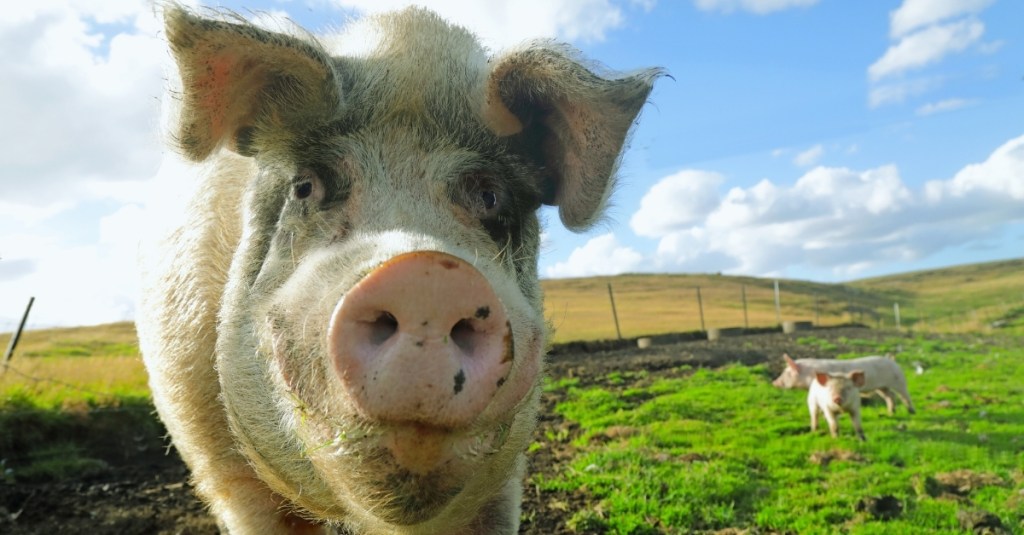
Research into growing human organs within pigs has faced significant regulatory hurdles, particularly in the United States. While gene-edited pig kidneys have successfully been transplanted into patients, efforts to develop fully human organs in pigs remain stalled due to ethical concerns. This division traces back to a 2015 decision by the National Institutes of Health (NIH), which halted funding for research that involves placing human stem cells into animal embryos. NIH officials expressed concerns about the potential for human cells to migrate into an animal’s brain, effectively raising fears about creating “too human” pigs.
Recent advancements in xenotransplantation, however, highlight both the urgency and the potential of this innovative field. In October 2025, surgeons in New York successfully transplanted a genetically modified pig kidney into a living patient. This procedure is part of a groundbreaking clinical trial evaluating the safety and functionality of gene-edited pig organs in humans. The kidney used in the transplantation was engineered to minimize immune rejection, a significant improvement over prior attempts that involved human cells. Six patients are currently enrolled in this trial, marking a key step forward in addressing the critical shortage of donor organs.
The drive for xenotransplantation stems from a pressing need. Over 100,000 individuals in the United States are on organ transplant waiting lists, with thousands dying each year while awaiting suitable donor organs. For decades, scientists have been exploring cross-species transplant options, ranging from the use of baboon hearts in the 1960s to contemporary advances in pig organ modification utilizing CRISPR technology.
Despite the progress, the immune system continues to pose a significant challenge. Recipients of pig organs often require strong immunosuppressant drugs to prevent rejection, which they may need for life. A notable case involved a patient in New Hampshire who had a pig kidney transplanted in January 2025; the organ was removed nine months later due to declining function, underscoring the persistent risk of rejection.
The concept of growing organs from a patient’s own cells within animals initially attracted considerable interest. This approach involved disabling an animal embryo’s ability to develop a specific organ and then introducing human stem cells to compensate. Researchers had previously demonstrated this with success, having grown a mouse pancreas inside a rat prior to the NIH’s funding pause.
Ethical considerations, rather than technical limitations, ultimately led to the cessation of this line of research. Regulators became fixated on the implications of human cells potentially influencing an animal’s brain and altering its moral status. Experts in ethics, as cited by Live Science, contend that this distinction is arbitrary. Pigs are already genetically modified to facilitate organ transplants, yet they are not considered partially human.
This regulatory landscape has resulted in an unusual compromise within the field of medicine. Society has accepted the transplantation of organs from pigs into humans, acknowledging the necessity of such procedures. Conversely, the prospect of growing human organs in pigs, even for the purpose of saving lives, remains a contentious issue, largely due to fears surrounding the idea of “humanized” animals.
As the medical community grapples with these ethical dilemmas, the potential for xenotransplantation continues to evolve. The hope is that ongoing research will one day lead to solutions that alleviate the burden of organ shortages while addressing the complex ethical landscape that governs this innovative field.











NASA Cancels Spacewalk, Evaluates Options After Medical Issue

Vibrating Tendons Could Make Exercise Feel Easier, Study Finds

Texas Moves to Overhaul Early Childhood Education System

Lisa Rinna Showcases Timeless Terracotta and White Kitchen Trend

NASA Cancels Spacewalk Due to Crew Medical Concern

Studies Evaluate Impact of Certifications on Food Safety Standards

Longer Opioid Treatment Linked to Higher Survival Rates Among Veterans

Strengthening PCI DSS Compliance Through Effective Password Management

Landis Launches Citizen Academy to Engage Local Residents

Nostradamus’ 2026 Predictions: Star Death and Dark Events Loom

OpenAI to Implement Age Verification for ChatGPT by December 2025

Discover the Top 10 Calorie Counting Apps of 2025

Bella Hadid Shares Health Update After Treatment for Lyme Disease

Analysts Project Stronger Growth for Apple’s iPhone 17 Lineup

Erin Bates Shares Recovery Update Following Sepsis Complications

Electric Moto Influencer Surronster Arrested in Tijuana

Discover How to Reverse Image Search Using ChatGPT Effortlessly

Meta Initiates $60B AI Data Center Expansion, Starting in Ohio
-
 Science2 weeks ago
Nostradamus’ 2026 Predictions: Star Death and Dark Events Loom
-
 Technology1 month ago
OpenAI to Implement Age Verification for ChatGPT by December 2025
-
 Technology6 months ago
Discover the Top 10 Calorie Counting Apps of 2025
-
 Health4 months ago
Bella Hadid Shares Health Update After Treatment for Lyme Disease
-
 Health4 months ago
Analysts Project Stronger Growth for Apple’s iPhone 17 Lineup
-
 Health4 months ago
Erin Bates Shares Recovery Update Following Sepsis Complications
-
 Technology4 months ago
Electric Moto Influencer Surronster Arrested in Tijuana
-
 Technology5 months ago
Discover How to Reverse Image Search Using ChatGPT Effortlessly
-
 Technology6 months ago
Meta Initiates $60B AI Data Center Expansion, Starting in Ohio
-

 Technology6 months ago
Recovering a Suspended TikTok Account: A Step-by-Step Guide
-

 Technology2 months ago
Discover 2025’s Top GPUs for Exceptional 4K Gaming Performance
-

 Health6 months ago
Tested: Rab Firewall Mountain Jacket Survives Harsh Conditions