
Education
Wagner College Restructures Programs Ahead of 2026 Changes

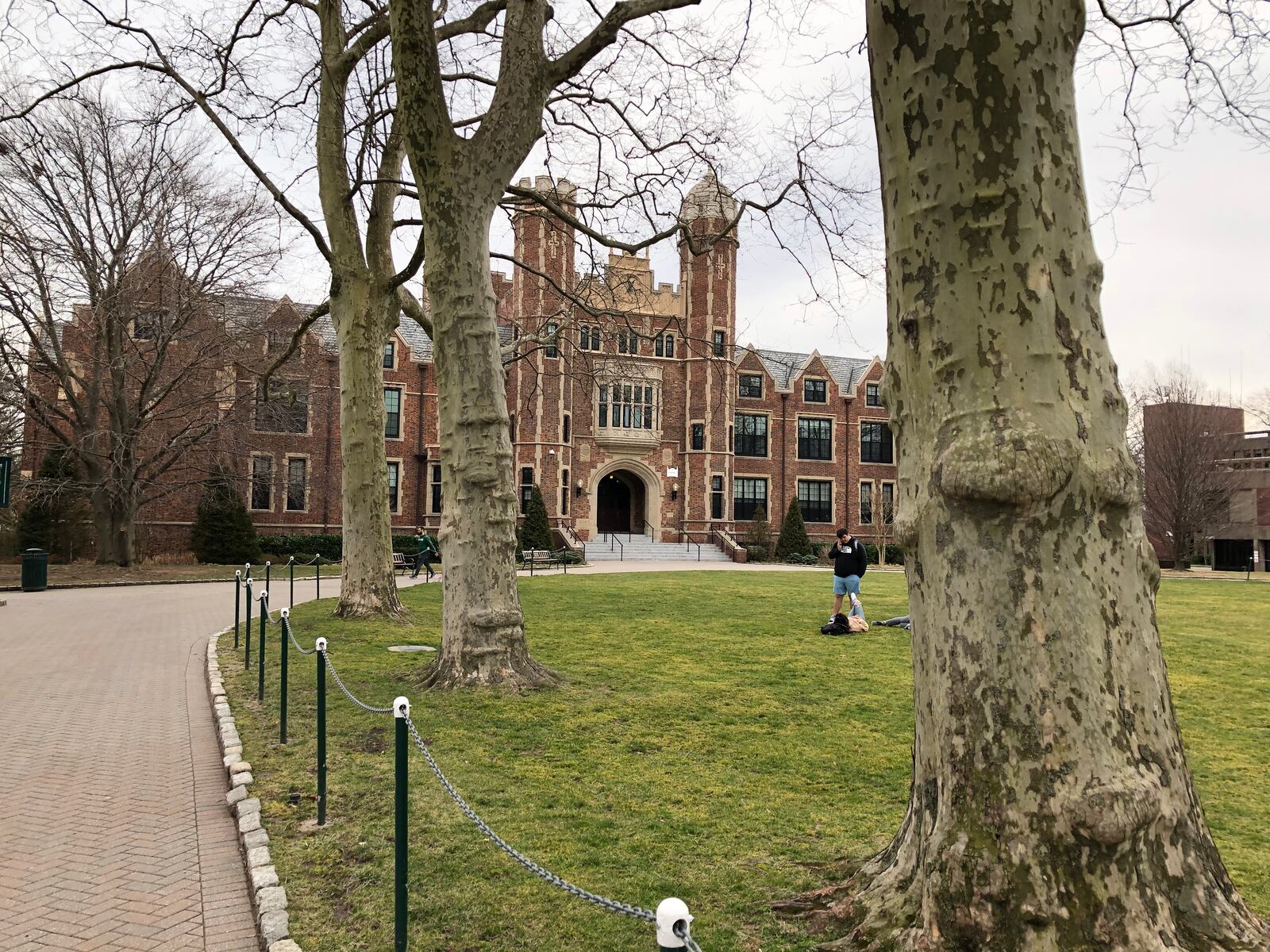
Wagner College in Staten Island, New York, is set to implement significant changes to its academic programs starting in spring 2026. The college’s administration, led by President Dr. Jeffrey A. Doggett, has approved a proposal to phase out several low-enrollment programs. This decision aims to enhance academic offerings and better align with student needs.
The programs slated for decommissioning include majors and minors in Anthropology, Environmental Studies, Government and Politics, History, Mathematics, Music, and Visual Arts, among others. The full list highlights a strategic shift toward programs deemed more sustainable and relevant in today’s educational landscape.
In contrast, Wagner College is also expanding its curriculum. Faculty have approved new majors in Digital Design and Human Services, which will offer three specialized tracks: Criminology, Pre-Law, and Social Work. Additionally, a proposed major in Business Analytics is currently under consideration. A college spokesperson noted that any new program must receive state approval before student admission can begin, with the aim of launching these majors by the fall 2026 semester.
The restructuring reflects a broader initiative to stabilize enrollment figures at Wagner College. As of the start of the fall 2025 semester, total enrollment stood at 1,997 students, showing only a slight decrease of four students from the previous year.
Investment in Core Programs
Wagner College has announced its intention to invest in key programs, reinforcing its commitment to academic quality. The areas of focus include Nursing, Physician Assistant Studies, Psychology, and various concentrations within Biological Sciences, such as Health Sciences and Neuroscience. Other significant disciplines receiving attention include Business, Theatre Education, Computer Science, and Arts Administration.
Students will still be required to complete core curriculum classes covering essential subjects like writing, ethics, and science. This foundational approach aims to prepare students for diverse career paths and ensure a comprehensive educational experience.
Dr. Doggett’s vision for the college includes not only programmatic changes but also physical improvements to the campus. Plans involve restructuring existing facilities to create larger classrooms, thereby enhancing the learning environment. The administration is also prioritizing the re-establishment of partnerships with local businesses, particularly hospitals, to enrich student opportunities.
Context and Future Outlook
These developments follow the recent closure of St. John’s University’s Staten Island campus in spring 2024, which had operated for over 50 years. As the only private institution of higher education remaining in the borough, Wagner College plays a crucial role in serving the educational needs of the community. Notably, more than half of its students are Staten Island residents who commute to campus.
Founded in 1883 as a Lutheran seminary prep school in Rochester, New York, Wagner College relocated to Staten Island after World War I. Since then, it has developed into a diverse educational institution, now situated on a 105-acre campus on Grymes Hill.
As Wagner College prepares for these significant changes, the focus remains on creating a more sustainable academic environment that meets the evolving needs of its student body and the wider community.













Ohio School District Aims to Exit Academic Distress Status

James Webb Space Telescope Unveils Earliest Galaxy Cluster Yet

Black Men Confront Prostate Cancer: Jerry McCormick’s Journey

OpenMind Unveils Innovative App Store for Robot Software

UGA Hosts Renowned Nobel and Pulitzer Winners for Spring Lectures

Scotland’s 13 Michelin Star Restaurants Gear Up for 2026 Guide

International Team Discovers New Dinosaur Foskeia pelendonum in Spain

Nebraska’s Miracle Quads Celebrate 18 Years of Joy

Stanford Daily Launches Volume 269 with New Editorial Team

Nostradamus’ 2026 Predictions: Star Death and Dark Events Loom

OpenAI to Implement Age Verification for ChatGPT by December 2025

Discover the Top 10 Calorie Counting Apps of 2025

Bella Hadid Shares Health Update After Treatment for Lyme Disease

Analysts Project Stronger Growth for Apple’s iPhone 17 Lineup

Electric Moto Influencer Surronster Arrested in Tijuana

Harvard Secures Court Victory Over Federal Funding Cuts

Erin Bates Shares Recovery Update Following Sepsis Complications

Meta Initiates $60B AI Data Center Expansion, Starting in Ohio
-
 Science1 month ago
Nostradamus’ 2026 Predictions: Star Death and Dark Events Loom
-
 Technology2 months ago
OpenAI to Implement Age Verification for ChatGPT by December 2025
-
 Technology7 months ago
Discover the Top 10 Calorie Counting Apps of 2025
-
 Health5 months ago
Bella Hadid Shares Health Update After Treatment for Lyme Disease
-
 Health5 months ago
Analysts Project Stronger Growth for Apple’s iPhone 17 Lineup
-
 Technology5 months ago
Electric Moto Influencer Surronster Arrested in Tijuana
-
 Education5 months ago
Harvard Secures Court Victory Over Federal Funding Cuts
-
 Health5 months ago
Erin Bates Shares Recovery Update Following Sepsis Complications
-
 Technology7 months ago
Meta Initiates $60B AI Data Center Expansion, Starting in Ohio
-

 Technology6 months ago
Discover How to Reverse Image Search Using ChatGPT Effortlessly
-

 Science4 months ago
Starship V3 Set for 2026 Launch After Successful Final Test of Version 2
-

 Technology7 months ago
Recovering a Suspended TikTok Account: A Step-by-Step Guide