
Education
Scaling Down: Lessons from a Home Lab Journey

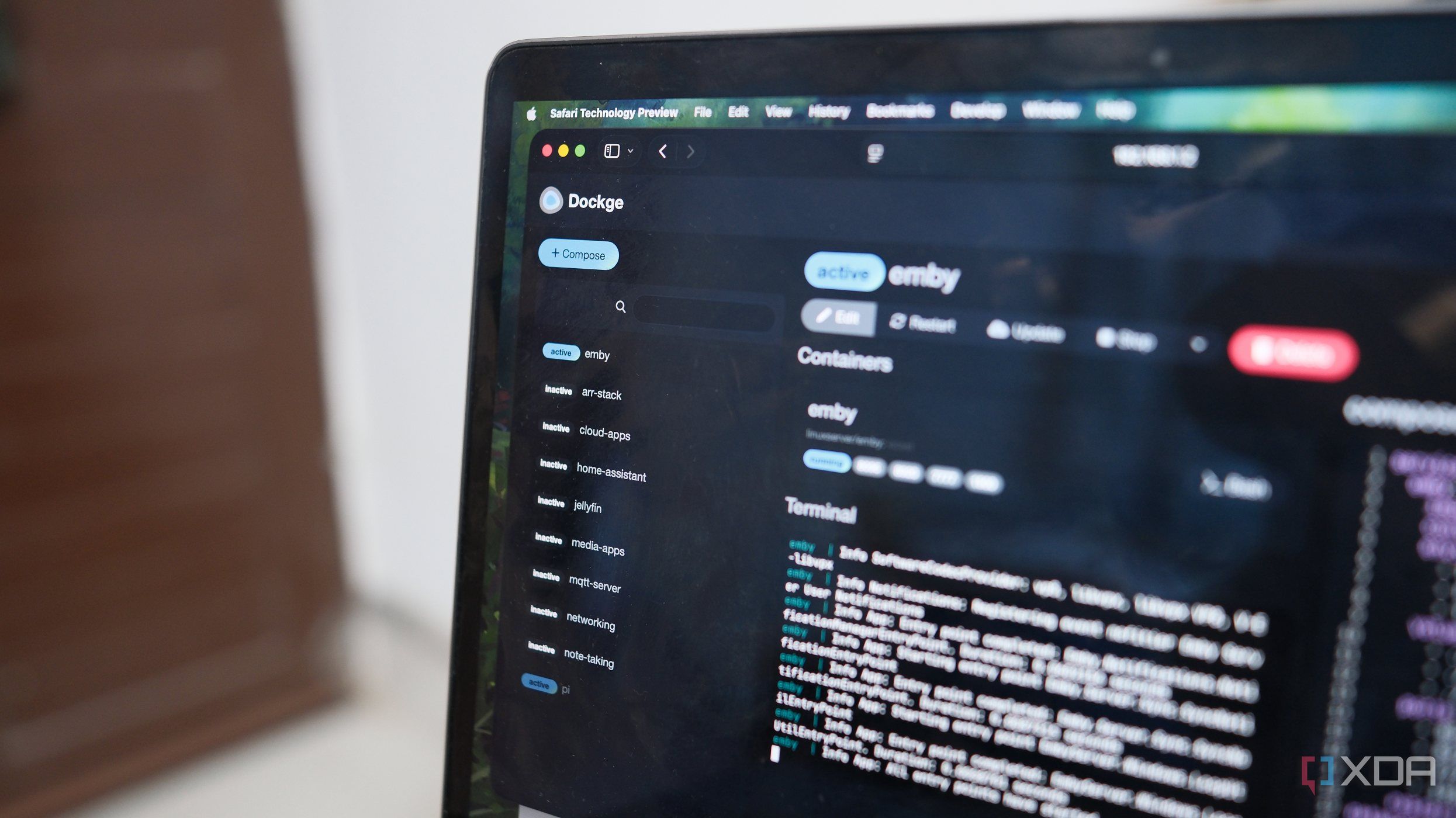
A home lab enthusiast has shared insights on the challenges encountered while transforming their residence into a data center-like environment. The individual, who has been involved in the home lab hobby for several years, realized that their ambition to create an extensive setup led to unnecessary complexity and stress rather than the intended enjoyment.
The initial goal was to expand capabilities, with an emphasis on storage, archiving, and service redundancy. This led to an overwhelming array of rack-mounted equipment, VLANs, and intricate monitoring systems. While visually impressive, the reality was that this approach became financially burdensome and labor-intensive. The home lab shifted from a hobby into a demanding responsibility, with routine maintenance overshadowing the joy of experimentation and learning.
Shifting Priorities: Usability Over Uptime
One of the most significant missteps was prioritizing uptime over usability. The individual became fixated on reliability, leading to the acquisition of more redundant Network Attached Storage (NAS) systems and spare storage than was necessary. On the software side, the focus on failover containers and constant monitoring turned the home lab into a source of frustration.
Despite the importance of uptime in business environments, the stakes were different at home. If a media server or bookmarking service went offline temporarily, it posed no real issue. Even the central component, Home Assistant, was not as critical as initially thought. Simple alternatives like light switches could always provide a backup. This mindset resulted in a reluctance to run updates or explore new services, consuming time that could have been spent on more meaningful projects.
Rethinking Best Practices for Home Labs
Another critical realization was the folly of blindly applying data center best practices to a home environment. While network segmentation and access controls are essential in commercial settings, they often introduced unnecessary complexity at home. The individual found that the home lab, which served a single user, did not require the multiple networks and VLANs that were set up.
This over-segmentation created additional maintenance challenges, such as troubleshooting communication issues between services. The same issue arose with storage management, where an obsession with separation led to a convoluted system requiring extensive documentation. Although following best practices can be beneficial, the individual recognized that a home lab should not feel like a second job.
Ultimately, the turning point came when the individual reassessed their needs. They aimed to create a functional home lab that enhanced daily life rather than demanding constant oversight. The focus shifted toward essential services: photo backups, a media server, and productivity tools. By prioritizing functionality over redundancy, the home lab became a balanced blend of productivity and enjoyment.
The previous fixation on building an extensive data center setup was replaced with a more curated approach. By easing up on strict redundancy requirements and adopting a simplified backup strategy, the individual rediscovered the initial excitement of their home lab.
This journey highlights the importance of aligning one’s home lab with personal needs and priorities. As technology enthusiasts continue to explore the boundaries of their home labs, the lessons learned here serve as a valuable reminder: simplicity and relevance triumph over complexity and unnecessary ambition.











Discover Glass Art: Engaging Workshops at SiNaCa Studios

Explore Texas Craftsmanship at the 21st Grapevine Artisans Market

NASA Force Initiative Launches to Recruit Elite Tech Talent

Community Events Highlight Support Groups and Fundraisers

Genesis G90: A Luxurious Choice for Value-Conscious Buyers

Schools Tackle Chronic Absenteeism in Ashtabula County

Discover Lasting Love at the Becoming One Marriage Retreat

Study Unveils Inaccuracies of ‘Demon Slayer’ Bamboo Muzzle Design

Parents Voice Concerns Over Maine’s Proposed Changes to Child Services

Nostradamus’ 2026 Predictions: Star Death and Dark Events Loom

Breakthroughs and Challenges Await Science in 2026

OpenAI to Implement Age Verification for ChatGPT by December 2025

Discover the Top 10 Calorie Counting Apps of 2025

Electric Moto Influencer Surronster Arrested in Tijuana

Bella Hadid Shares Health Update After Treatment for Lyme Disease

Analysts Project Stronger Growth for Apple’s iPhone 17 Lineup

Top 10 Penny Stocks to Watch in 2026 for Strong Returns

Japanese Study Finds Rose Oil Can Increase Brain Gray Matter
-
 Science2 months ago
Nostradamus’ 2026 Predictions: Star Death and Dark Events Loom
-
 Science2 months ago
Breakthroughs and Challenges Await Science in 2026
-
 Technology3 months ago
OpenAI to Implement Age Verification for ChatGPT by December 2025
-
 Technology8 months ago
Discover the Top 10 Calorie Counting Apps of 2025
-
 Technology6 months ago
Electric Moto Influencer Surronster Arrested in Tijuana
-
 Health6 months ago
Bella Hadid Shares Health Update After Treatment for Lyme Disease
-
 Health6 months ago
Analysts Project Stronger Growth for Apple’s iPhone 17 Lineup
-
 Technology3 months ago
Top 10 Penny Stocks to Watch in 2026 for Strong Returns
-
 Health6 months ago
Japanese Study Finds Rose Oil Can Increase Brain Gray Matter
-

 Science5 months ago
Starship V3 Set for 2026 Launch After Successful Final Test of Version 2
-

 Education6 months ago
Harvard Secures Court Victory Over Federal Funding Cuts
-

 Health6 months ago
Erin Bates Shares Recovery Update Following Sepsis Complications