
Education
Leadership Turnover Surges in Michigan’s Higher Education Sector

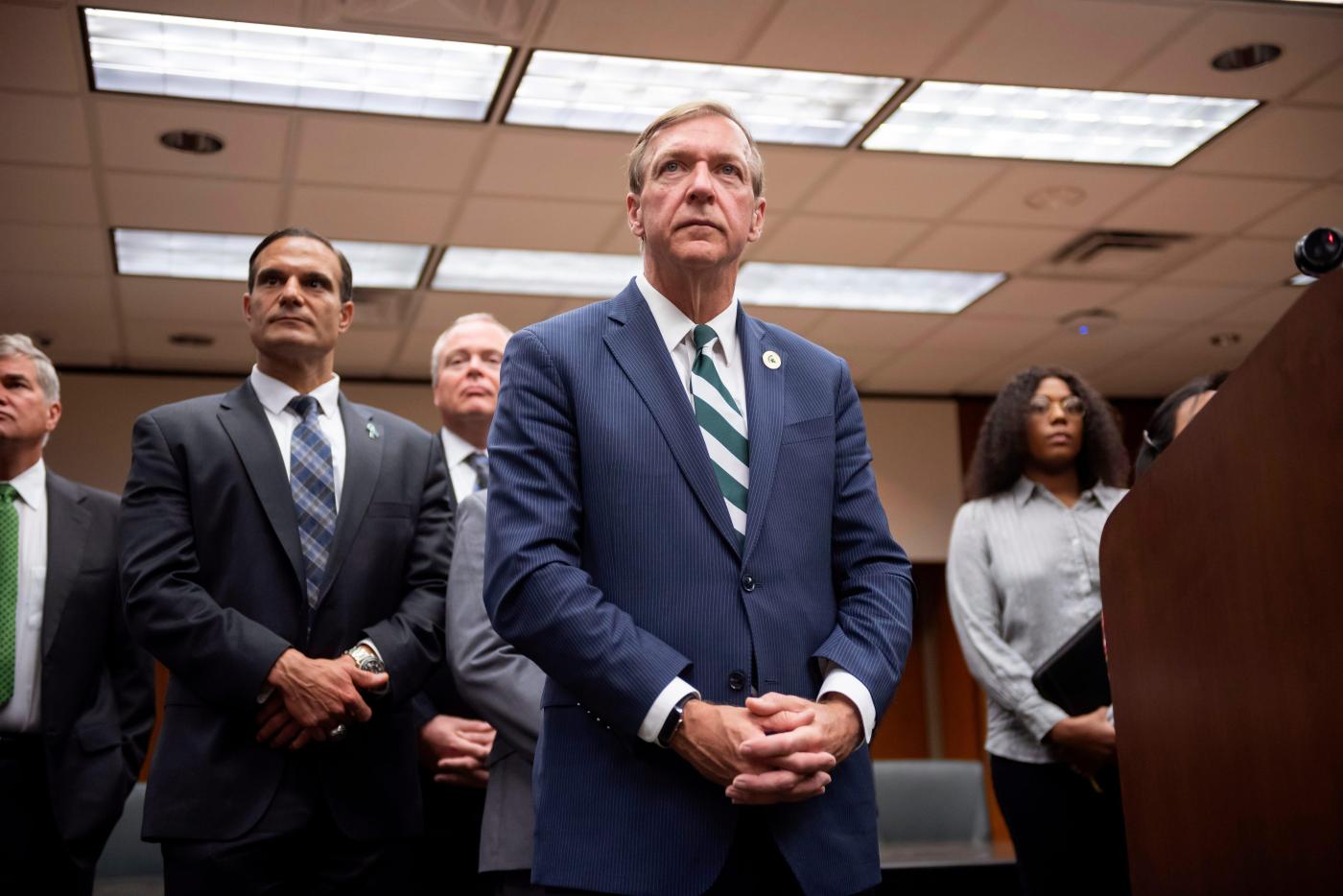
Leadership vacancies are increasingly common in Michigan’s higher education institutions, as several university presidents have departed or announced their intentions to leave. In March 2025, the departures of high-profile leaders such as Santa Ono from the University of Michigan and Kimberly Andrews Espy from Wayne State University highlighted this trend. As pressure mounts in the sector, many institutions are grappling with the challenges of attracting and retaining effective leadership.
The role of a university president has never been easy. According to Robert LeFevre, president of the Michigan Independent Colleges and Universities association, these leaders manage what are essentially small cities. “The demands are ever-increasing,” he stated. “Presidents are fundraising non-stop; they’re on the road a lot.” This ongoing pressure has led to a significant turnover within both public universities and community colleges across the state.
In fact, six community college presidents left their positions this year, either retiring or transitioning to other roles. In contrast, private institutions have largely avoided similar leadership changes. LeFevre pointed out that presidents at these colleges typically remain until retirement or face dismissal, resulting in a more stable leadership environment.
The trend in Michigan mirrors a national phenomenon where university presidents are serving shorter tenures due to a range of challenges. Factors such as declining enrollment, post-pandemic fatigue, and concerns regarding federal funding for operations and student aid are weighing heavily on higher education leaders. Erica Orians, vice president of the Michigan Community College Association, noted that this year has seen the highest turnover in community college presidencies since she began her tenure a decade ago.
Despite the challenges, many leaders find their roles rewarding. Dan Hurley, president of the Michigan Association of State Universities, emphasized the importance of leadership in driving institutional missions. “Leading the change is one of the most impactful things someone can do,” he remarked.
### Reasons Behind Leadership Changes
The varying missions and operations of higher education institutions can influence leadership turnover. Public universities tend to be larger and more complex, while independent colleges are not reliant on direct state or federal funding. The impact of declining enrollment has been felt across the board, compounded by a decrease in high school graduates due to declining birth rates and a shift in some students opting to enter the workforce instead of pursuing higher education.
In recent years, Michigan universities have faced substantial losses in research funding, particularly following changes implemented during the administration of former President Donald Trump. These shifts have affected public institutions like the University of Michigan and Michigan State University, as well as independent colleges such as Alma College and Lawrence Technological University, according to the Center for American Progress.
Leadership turnover has also been exacerbated by personal decisions and tensions with governing boards. Notably, all recent permanent presidents at major research universities in Michigan have left under contentious circumstances. For example, Ono departed after rising tensions regarding his leadership amid federal directives, while Samuel Stanley of Michigan State University resigned after losing confidence in the board following a controversy.
### Average Tenure and Future Outlook
As of now, the average tenure for university presidents in Michigan is approximately three years, with many serving for around 18 months. This trend shows a marked increase in turnover compared to previous years. Hurley attributes this phenomenon to a cyclical transition, suggesting that the current high number of searches for permanent presidents may not be a sustained trend.
Independent college presidents enjoy slightly longer tenures, averaging over five years, with several leaders having served for a decade or more. For community colleges, the average tenure is approximately seven years, with some presidents like Daniel Phelan of Jackson College and Curtis Ivery of Wayne County Community College holding their positions for over two decades.
To address future leadership needs, the Michigan Community College Association has established a Leadership Academy aimed at preparing potential candidates for presidential roles. Orians stated that this initiative equips individuals with the necessary skills and knowledge to lead effectively. “Future leaders are equipped to lead through the academy,” she explained. “It’s a real hallmark of community colleges.”
As Michigan’s higher education institutions navigate a challenging landscape, the search for stable and effective leadership remains a paramount concern. The ongoing fluctuations in university presidencies reflect broader trends affecting the entire sector, highlighting the need for strategic vision and resilience in the face of adversity.









Revolutionary Photonic Ski-Jump Could Miniaturize LiDAR Systems

Couples Detox from Plastics in New Netflix Doc: Can It Boost Fertility?

Aventon Launches Affordable Full-Suspension Electric Mountain Bike

Discover Eight Must-Try Restaurants This Spring Season

UC Irvine Team Unveils Innovative Ion Pump for Water Treatment

One-Third of Americans Trim Daily Expenses for Healthcare Needs

Apple Secures First Oscar in Three Years with F1: The Movie

Fourth Graders Celebrate St. Patrick’s Day with Creative Weather Drawings

Kim Kardashian Dazzles at Vanity Fair Oscars Party 2026

Nostradamus’ 2026 Predictions: Star Death and Dark Events Loom

Breakthroughs and Challenges Await Science in 2026

Electric Moto Influencer Surronster Arrested in Tijuana

OpenAI to Implement Age Verification for ChatGPT by December 2025

Discover the Top 10 Calorie Counting Apps of 2025

Bella Hadid Shares Health Update After Treatment for Lyme Disease

Analysts Project Stronger Growth for Apple’s iPhone 17 Lineup

Japanese Study Finds Rose Oil Can Increase Brain Gray Matter

Top 10 Penny Stocks to Watch in 2026 for Strong Returns
-
 Science3 months ago
Nostradamus’ 2026 Predictions: Star Death and Dark Events Loom
-
 Science3 months ago
Breakthroughs and Challenges Await Science in 2026
-
 Technology7 months ago
Electric Moto Influencer Surronster Arrested in Tijuana
-
 Technology4 months ago
OpenAI to Implement Age Verification for ChatGPT by December 2025
-
 Technology9 months ago
Discover the Top 10 Calorie Counting Apps of 2025
-
 Health7 months ago
Bella Hadid Shares Health Update After Treatment for Lyme Disease
-
 Health7 months ago
Analysts Project Stronger Growth for Apple’s iPhone 17 Lineup
-
 Health7 months ago
Japanese Study Finds Rose Oil Can Increase Brain Gray Matter
-
 Technology4 months ago
Top 10 Penny Stocks to Watch in 2026 for Strong Returns
-

 Science6 months ago
Starship V3 Set for 2026 Launch After Successful Final Test of Version 2
-

 Technology1 month ago
Nvidia GTC 2026: Major Announcements Expected for AI and Hardware
-

 Education7 months ago
Harvard Secures Court Victory Over Federal Funding Cuts