
Technology
Waymo’s Parking Habits Spark Controversy in San Francisco


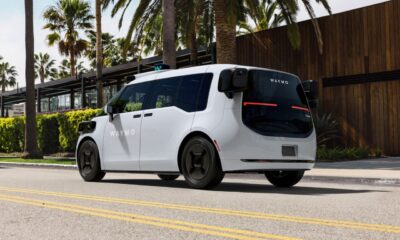
The presence of autonomous vehicles, particularly those operated by Waymo, is stirring controversy in San Francisco as residents express frustration over the use of valuable curbside parking spaces. Reports indicate that Waymo cars are increasingly seen occupying one- and two-hour parking spots while waiting for their next ride, igniting concerns among local car owners about accessibility to parking in an already congested city.
Residents have long been familiar with the challenges of finding parking in San Francisco, especially on street-cleaning days. Many have developed strategies to navigate this urban landscape, identifying windows of time when parking spots are available. According to local resident Kyle Grochmal, multiple Waymo vehicles were observed idling in one-hour parking spaces in the Mission District, specifically on York Street, for approximately 20 minutes each while awaiting passenger requests.
This behavior raises significant questions about the impact of autonomous vehicles on local parking dynamics. Grochmal noted that the Waymo cars seem to have been programmed to identify these convenient parking spots, which could lead to further complications for residents in need of parking. Although Waymo vehicles are designed to conserve battery life and avoid traffic congestion while waiting for rides, their use of public parking spaces has sparked resentment among those who rely on these areas for their own vehicles.
As the conversation around self-driving technology evolves, issues of public space usage are increasingly coming to the forefront. Waymo has not yet issued a public statement regarding this matter, but it is anticipated that the company will need to address these concerns as they become more prominent in public discourse.
The implications of Waymo’s parking practices could extend beyond immediate parking frustrations. Grochmal raised a potential future scenario where personal autonomous vehicles, such as those developed by Tesla, could be dropped off in urban areas while driving around in search of parking. This could exacerbate parking shortages and further complicate city traffic patterns, prompting the Board of Supervisors to take a stance on the issue.
In recent months, Waymo has faced scrutiny for various incidents, including its vehicles’ responses during power outages and involvement in accidents. These events have raised concerns about the safety and reliability of autonomous technology in urban settings. With mounting pressure from residents and city officials, the company may need to find solutions that balance technological advancement with community needs.
As the discussion around self-driving vehicles continues, the challenges faced in San Francisco could serve as a microcosm for broader issues that cities around the world will encounter as they adapt to the rise of autonomous transportation.











Revolutionary Photonic Ski-Jump Could Miniaturize LiDAR Systems

Couples Detox from Plastics in New Netflix Doc: Can It Boost Fertility?

Aventon Launches Affordable Full-Suspension Electric Mountain Bike

Discover Eight Must-Try Restaurants This Spring Season

UC Irvine Team Unveils Innovative Ion Pump for Water Treatment

One-Third of Americans Trim Daily Expenses for Healthcare Needs

Apple Secures First Oscar in Three Years with F1: The Movie

Fourth Graders Celebrate St. Patrick’s Day with Creative Weather Drawings

Kim Kardashian Dazzles at Vanity Fair Oscars Party 2026

Nostradamus’ 2026 Predictions: Star Death and Dark Events Loom

Breakthroughs and Challenges Await Science in 2026

Electric Moto Influencer Surronster Arrested in Tijuana

OpenAI to Implement Age Verification for ChatGPT by December 2025

Discover the Top 10 Calorie Counting Apps of 2025

Bella Hadid Shares Health Update After Treatment for Lyme Disease

Analysts Project Stronger Growth for Apple’s iPhone 17 Lineup

Japanese Study Finds Rose Oil Can Increase Brain Gray Matter

Top 10 Penny Stocks to Watch in 2026 for Strong Returns
-
 Science4 months ago
Nostradamus’ 2026 Predictions: Star Death and Dark Events Loom
-
 Science4 months ago
Breakthroughs and Challenges Await Science in 2026
-
 Technology7 months ago
Electric Moto Influencer Surronster Arrested in Tijuana
-
 Technology4 months ago
OpenAI to Implement Age Verification for ChatGPT by December 2025
-
 Technology9 months ago
Discover the Top 10 Calorie Counting Apps of 2025
-
 Health7 months ago
Bella Hadid Shares Health Update After Treatment for Lyme Disease
-
 Health7 months ago
Analysts Project Stronger Growth for Apple’s iPhone 17 Lineup
-
 Health7 months ago
Japanese Study Finds Rose Oil Can Increase Brain Gray Matter
-
 Technology4 months ago
Top 10 Penny Stocks to Watch in 2026 for Strong Returns
-

 Science6 months ago
Starship V3 Set for 2026 Launch After Successful Final Test of Version 2
-

 Technology1 month ago
Nvidia GTC 2026: Major Announcements Expected for AI and Hardware
-
 Education7 months ago
Harvard Secures Court Victory Over Federal Funding Cuts