
Technology
Transform Your Daily Routine with Affordable NFC Tags

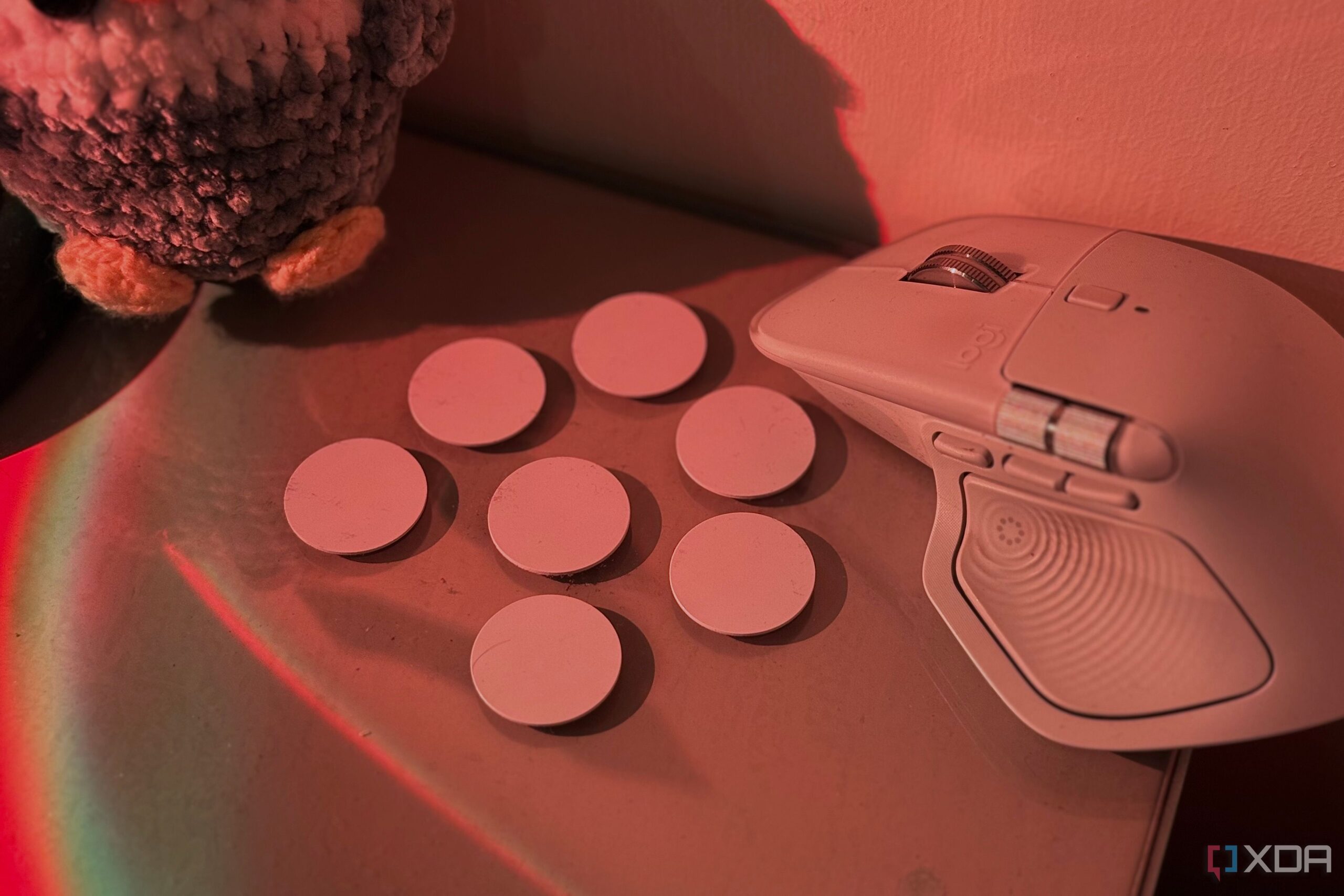
The rise of affordable Near Field Communication (NFC) tags is changing how individuals manage their daily tasks. These programmable stickers can be placed throughout homes and serve various functions, from limiting screen time to automating nightly routines. By simply tapping a phone against an NFC tag, users can trigger actions without needing to navigate through apps. This innovation is gaining traction, particularly among younger generations, as they seek efficient ways to enhance productivity and well-being.
Enhancing Focus and Reducing Screen Time
For many, the lure of social media can lead to hours of unproductive scrolling. One user, identifying as part of Gen Z, found that their screen time soared to an alarming eight hours daily. Determined to regain control, they discovered an app called Foqos, which works in conjunction with NFC tags to limit access to distracting applications. By programming an NFC tag to restrict specific apps during focus sessions, the user reduced their screen time to approximately three hours. This method not only curbs distractions but also tracks focus statistics, providing tangible evidence of improvement.
Streamlining the Bedtime Routine
As remote work arrangements become more common, maintaining a consistent bedtime routine is increasingly challenging. For those working Eastern hours while living in different time zones, the potential for disrupted sleep is significant. Implementing an NFC tag on the nightstand can simplify this process. With a single tap, users can activate Do Not Disturb, set alarms, initiate white noise, and adjust screen brightness. This automation helps eliminate the risk of forgetting important tasks, such as setting an alarm. It transforms a chaotic routine into a streamlined process, ultimately enhancing sleep quality.
Getting out of bed can be another struggle, especially for individuals who rely on multiple alarms. One effective solution involves using an app called Alarmy, which requires users to complete tasks to disable the alarm. By placing an NFC tag at a challenging height, users must physically get out of bed to turn off the alarm. Although inconvenient at early hours, this method proves effective in promoting wakefulness.
Boosting Productivity with Timers
The “just start” method, a popular productivity technique, emphasizes beginning tasks to generate momentum. However, the challenge often lies in the distractions presented by smartphones. Using an NFC tag to initiate a five-minute timer removes the temptation to scroll through notifications. With one tap, the timer begins without unlocking the phone, allowing users to focus on the task at hand.
The versatility of NFC tags extends beyond personal routines. Many users report employing them for various tasks such as tracking chores, logging medications, and automating grocery lists. Costing less than one dollar each, these tags offer an accessible entry point for anyone looking to optimize their daily activities.
As NFC technology becomes increasingly available, individuals are encouraged to explore its potential. By integrating these simple yet effective tools into daily life, users can experience significant improvements in productivity and overall well-being.









Dive into Self-Discovery with Proust on The Cosmic Library

Kendall Jenner Dazzles in Bold Crop Top for Vogue France

Avidity Biosciences Set to Release Q4 Earnings on February 26

Sleep Apnea: Understanding a Hidden Health Challenge

Bitcoin Faces Critical Test as Fear & Greed Index Plummets to 5

AAUW Grant Recipient Kate McKinney Inspires Future Mathematicians

Jakarta Authorities Identify 185 Illegal Padel Courts Amid Complaints

Venice’s Dolphin Encounters: A Call for Human Responsibility

Congress Increases Funding for Type 1 Diabetes Research, But Who Benefits?

Nostradamus’ 2026 Predictions: Star Death and Dark Events Loom

OpenAI to Implement Age Verification for ChatGPT by December 2025

Discover the Top 10 Calorie Counting Apps of 2025

Electric Moto Influencer Surronster Arrested in Tijuana

Bella Hadid Shares Health Update After Treatment for Lyme Disease

Breakthroughs and Challenges Await Science in 2026

Analysts Project Stronger Growth for Apple’s iPhone 17 Lineup

Top 10 Penny Stocks to Watch in 2026 for Strong Returns

Harvard Secures Court Victory Over Federal Funding Cuts
-
 Science2 months ago
Nostradamus’ 2026 Predictions: Star Death and Dark Events Loom
-
 Technology3 months ago
OpenAI to Implement Age Verification for ChatGPT by December 2025
-
 Technology7 months ago
Discover the Top 10 Calorie Counting Apps of 2025
-
 Technology5 months ago
Electric Moto Influencer Surronster Arrested in Tijuana
-
 Health5 months ago
Bella Hadid Shares Health Update After Treatment for Lyme Disease
-
 Science2 months ago
Breakthroughs and Challenges Await Science in 2026
-
 Health6 months ago
Analysts Project Stronger Growth for Apple’s iPhone 17 Lineup
-
 Technology2 months ago
Top 10 Penny Stocks to Watch in 2026 for Strong Returns
-
 Education6 months ago
Harvard Secures Court Victory Over Federal Funding Cuts
-

 Health6 months ago
Erin Bates Shares Recovery Update Following Sepsis Complications
-

 Science4 months ago
Starship V3 Set for 2026 Launch After Successful Final Test of Version 2
-

 Technology7 months ago
Meta Initiates $60B AI Data Center Expansion, Starting in Ohio